 215 215 9814
Cultural & Archaeological Packages in Larnaca
Customize it! Choose your hotels!
GREEK GODDESSES
Athens, Delphi, Olympia, Meteora, Larnaca & much more!
11 Days / 10 Nights
English
Customize it! Choose your hotels!
EASTERN PEARLS
Istanbul, Cappadocia, Athens, Mykonos, Santorini, Larnaca, Paphos, Nicosia & much more!
18 Days / 17 Nights
English
Customize it! Choose your hotels!
ORIENTAL MEDITERRANEAN
Larnaca, Athens, Mykonos, Santorini, and Istanbul
14 Days / 13 Nights
English
Customize it! Choose your hotels!
APHRODITE AND ZEUS
Larnaca, Lefkara, Paphos, Athens, Mykonos, Santorini & much more!
14 Days / 13 Nights
English
Customize it!
COMPLETE CYPRUS
Larnaca, Lefkara, Paphos, Troodos Mountains & much more!
8 Days / 7 Nights
English
Customize it!
ESSENTIAL CYPRUS
Larnaca, Limassol, and Paphos.
7 Days / 6 Nights
English
Located on the southern coast of Cyprus, Larnaca is a city that intertwines history, culture, and traditions in a captivating setting. Renowned for its archaeological legacy, beaches, and ancient monuments, Larnaca is an ideal destination for those wishing to explore a cultural richness that spans millennia. In this text, we will explore the highlights of Larnaca's culture and archaeology, as well as what makes this city a special place to visit.
Kition: An Ancient Archaeological Center
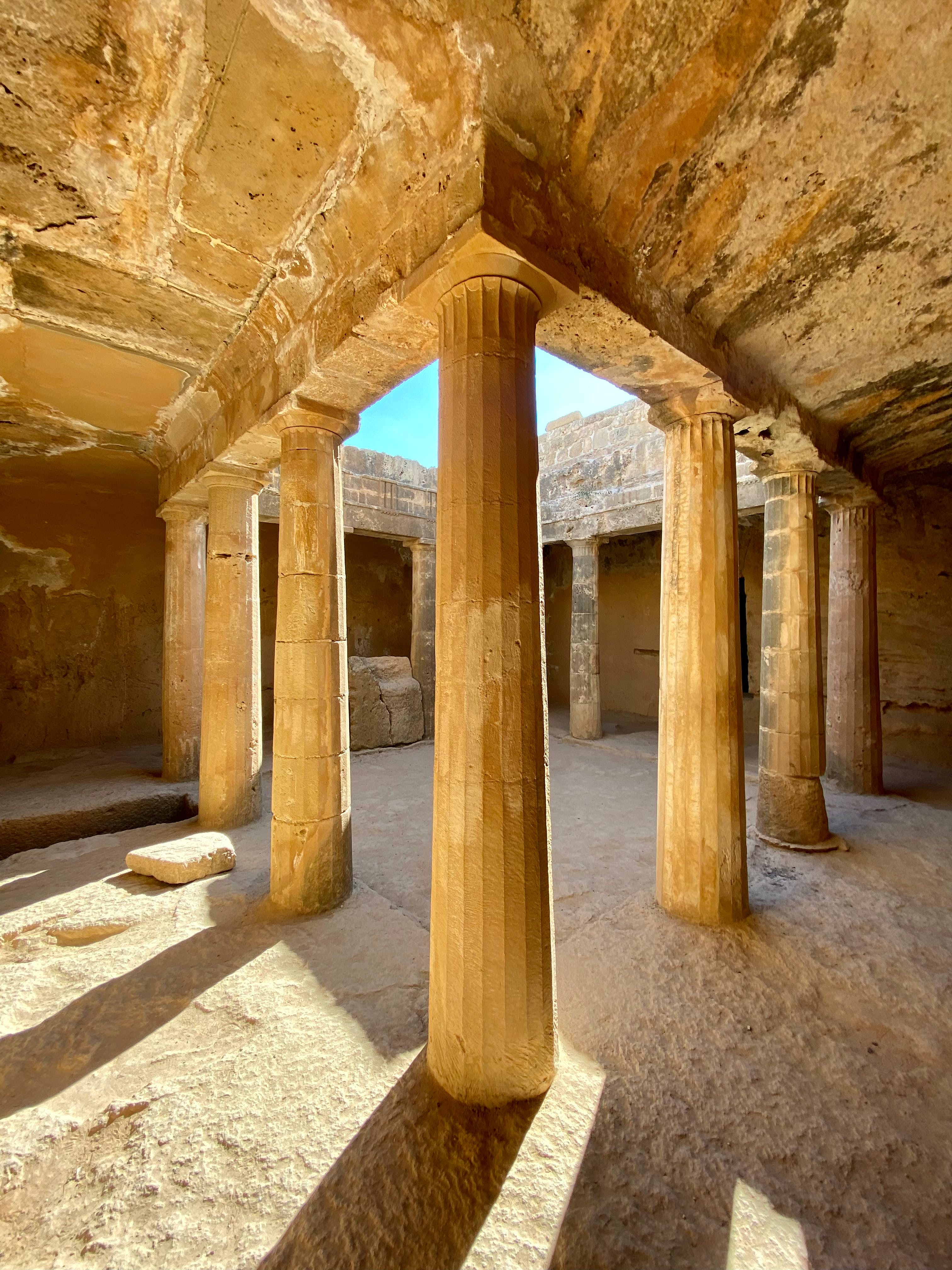
One of the most significant archaeological sites in Larnaca is Kition, an ancient city-state founded in the 13th century BC, offering a window into the past. Excavations at Kition have revealed large stone temples and walls dating back to the Bronze Age, showcasing the architectural and artistic skills of the time. Visitors can explore temple ruins dedicated to deities like Astarte and admire artifacts that reflect Phoenician, Greek, and Egyptian influences.
Kition was a major center for bronze production and maritime trade, and its cultural heritage lives on through local stories and legends. The archaeological site provides a unique insight into how this city-state thrived and became an important commercial port.
The Church of Saint Lazarus: An Icon of Orthodox Faith
Another must-see in Larnaca is the Church of Saint Lazarus, an architectural gem dating back to the 9th century. According to tradition, Saint Lazarus, resurrected by Jesus, spent his final days in Cyprus and was the bishop of Kition. The church, built in his honor, is a prominent example of Byzantine architecture, with intricate stone carvings and beautiful icons.
This church is an important center of Orthodox pilgrimage and spirituality. In its crypt are said to lie the remains of Saint Lazarus, and visitors can tour its interior, adorned with frescoes and ancient relics. The church not only testifies to the region's deep faith but also stands as a symbol of Larnaca's Christian heritage.
Larnaca's Maritime Culture and Beaches
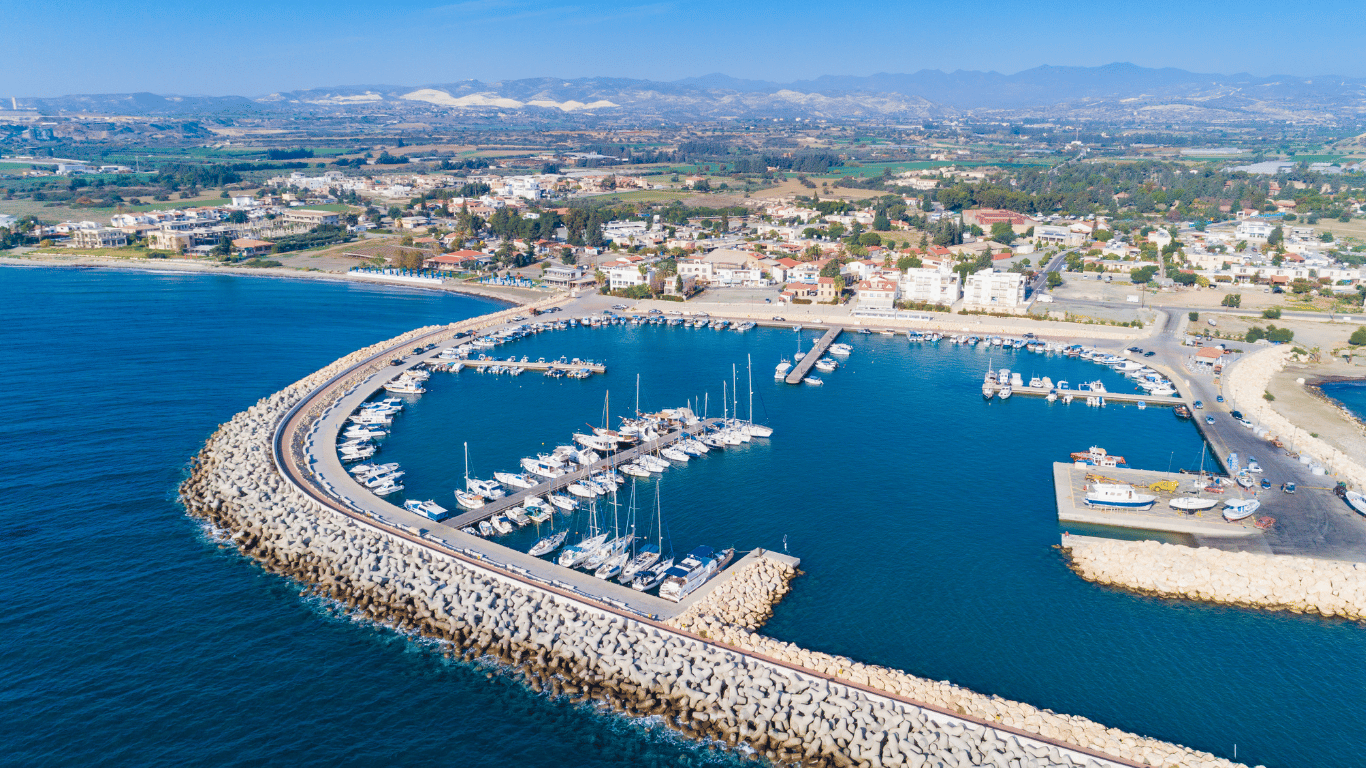
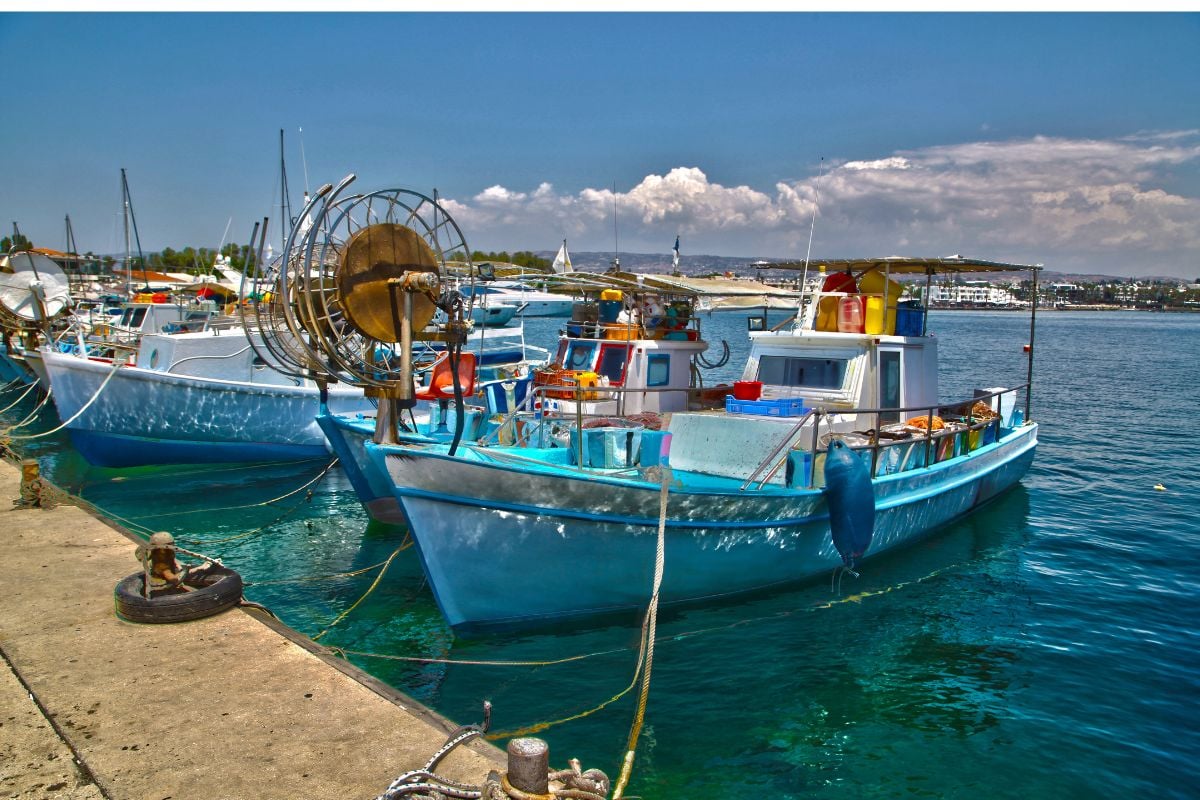
Larnaca is not only rich in history but is also known for its vibrant maritime culture. As a coastal city, life here has always been connected to the sea. Fishing boats and tourist tours depart from Larnaca’s port, and the city’s beaches are popular among locals and tourists alike.
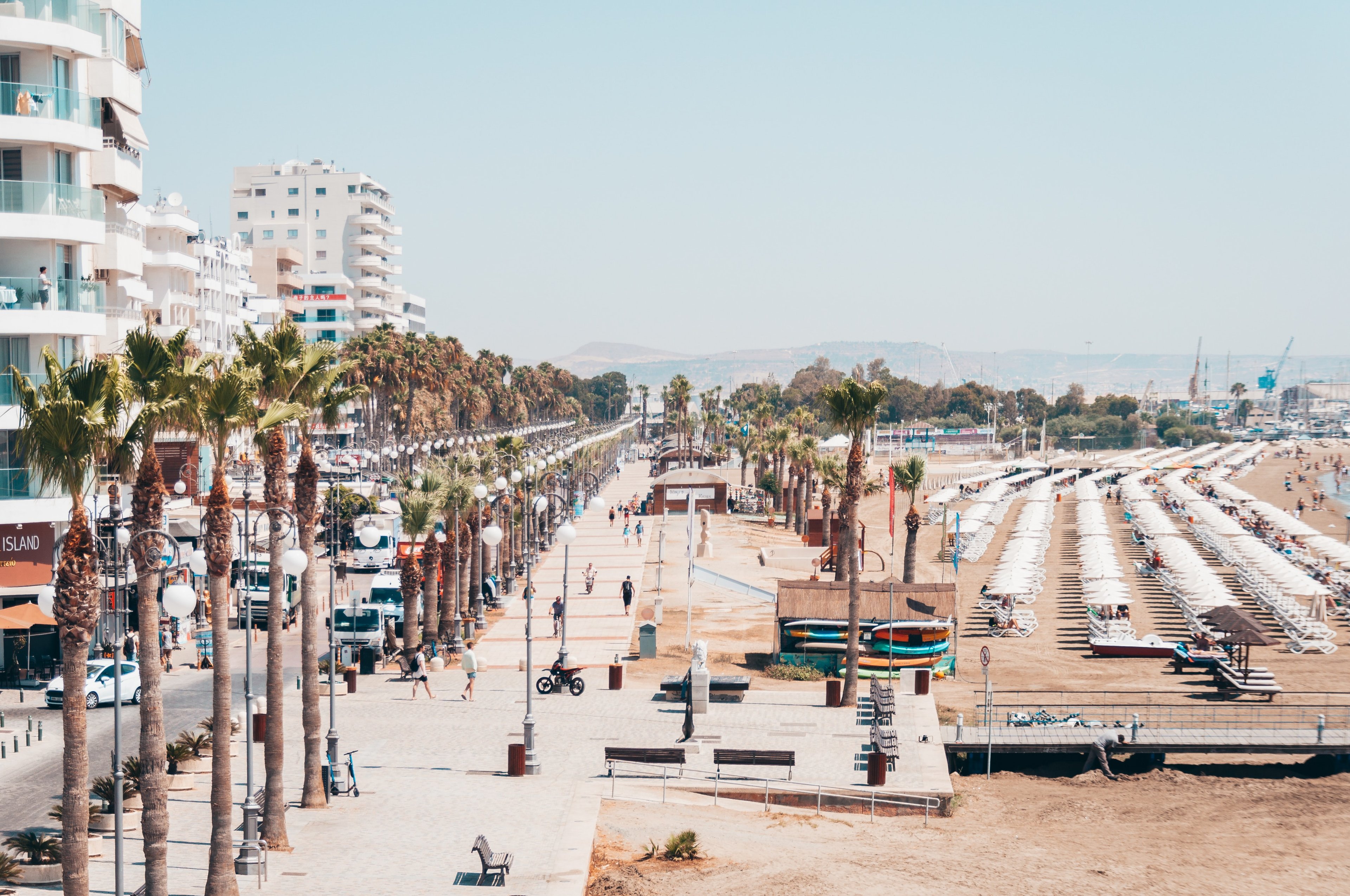
Finikoudes Beach is especially well-known, lined with palm trees and surrounded by cafes and restaurants, making it the perfect place to enjoy the Mediterranean climate and taste local cuisine. The relaxed atmosphere of the beaches and the city’s connection with the sea make Larnaca an ideal place to experience the Mediterranean at its finest.
The Archaeological Museum of Larnaca: A Window into Ancient History
The Archaeological Museum of Larnaca is essential for those who wish to delve into the history and culture of the region. Founded to preserve and exhibit the archaeological finds of Larnaca and its surroundings, the museum houses an impressive collection spanning from the Stone Age to the Roman era.
Among its exhibits are ceramics, jewelry, figurines, and tools that illustrate daily life in Larnaca over the centuries. Visitors can explore pieces that show the region’s evolution and discover how ancient civilizations interacted with neighboring cultures.
Outdoor Activities and Tourism in Larnaca
Beyond its archaeological and cultural sites, Larnaca offers a range of outdoor activities that allow visitors to enjoy the natural beauty of the region. The city's surroundings are perfect for hiking and exploring areas like the Larnaca Salt Lake, where flamingos can be spotted at certain times of the year.
Hiking, diving, and water sports along the coasts of Larnaca are popular choices for those who want to combine adventure and nature. These activities offer a unique perspective of the Cypriot coast and allow visitors to connect with the environment actively.
Conclusion: A Destination That Fuses History and Natural Beauty
Larnaca is a destination that combines history, archaeology, and culture with the serenity of the Mediterranean. From the ruins of Kition to the Church of Saint Lazarus and its golden beaches, this city offers an authentic experience that captures the essence of Cyprus. The rich heritage, spirituality, and unique landscape make Larnaca a must-see for those looking to immerse themselves in ancient culture and enjoy life in a vibrant and welcoming city.