 215 215 9814
Customize it! Choose your hotels!
11 Days / 10 Nights
English
Customize it! Choose your hotels!
18 Days / 17 Nights
English
Customize it! Choose your hotels!
14 Days / 13 Nights
English
Customize it! Choose your hotels!
14 Days / 13 Nights
English
Customize it!
8 Days / 7 Nights
English
Customize it!
7 Days / 6 Nights
English
Customize it!
7 Days / 6 Nights
English
Customize it!
4 Days / 3 Nights
English
Customize your package

Select from our wide variety


Situated on the southern coast of Cyprus, Larnaca is a historical city that offers a blend of ancient heritage and modern amenities. Serving as the "Gateway to Cyprus," the city is easily accessible through Larnaca International Airport, making it a convenient starting point for exploration.
Larnaca's Old Town showcases traditional Cypriot architecture and narrow alleys, providing a glimpse into the city's rich history. The area also features local markets, reflecting the cultural diversity that defines Larnaca. The city's museums house artifacts from various historical periods, contributing to its appeal as a destination for those interested in archaeology and history.
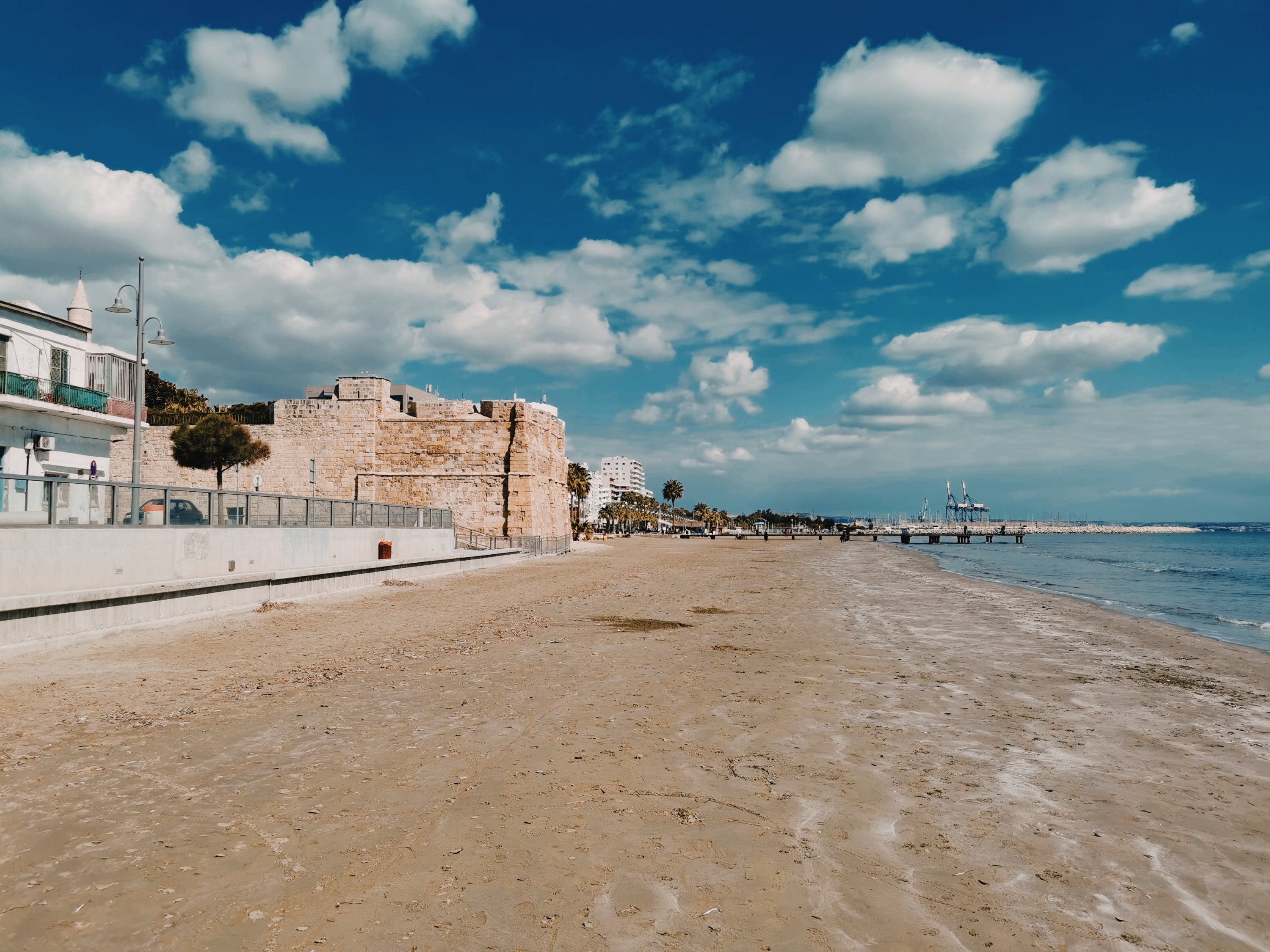
Larnaca boasts a range of attractions catering to diverse interests. The Larnaca Salt Lake, comprising four interconnected lakes, is a haven for birdwatchers, with the Hala Sultan Tekke, a Muslim shrine, situated on its shores. The Kition archaeological site reveals remnants of a Phoenician city, offering a historical journey through the city's past. The Larnaca Castle, located in the city center, provides panoramic views of the coastline and is a testament to Larnaca's medieval history.
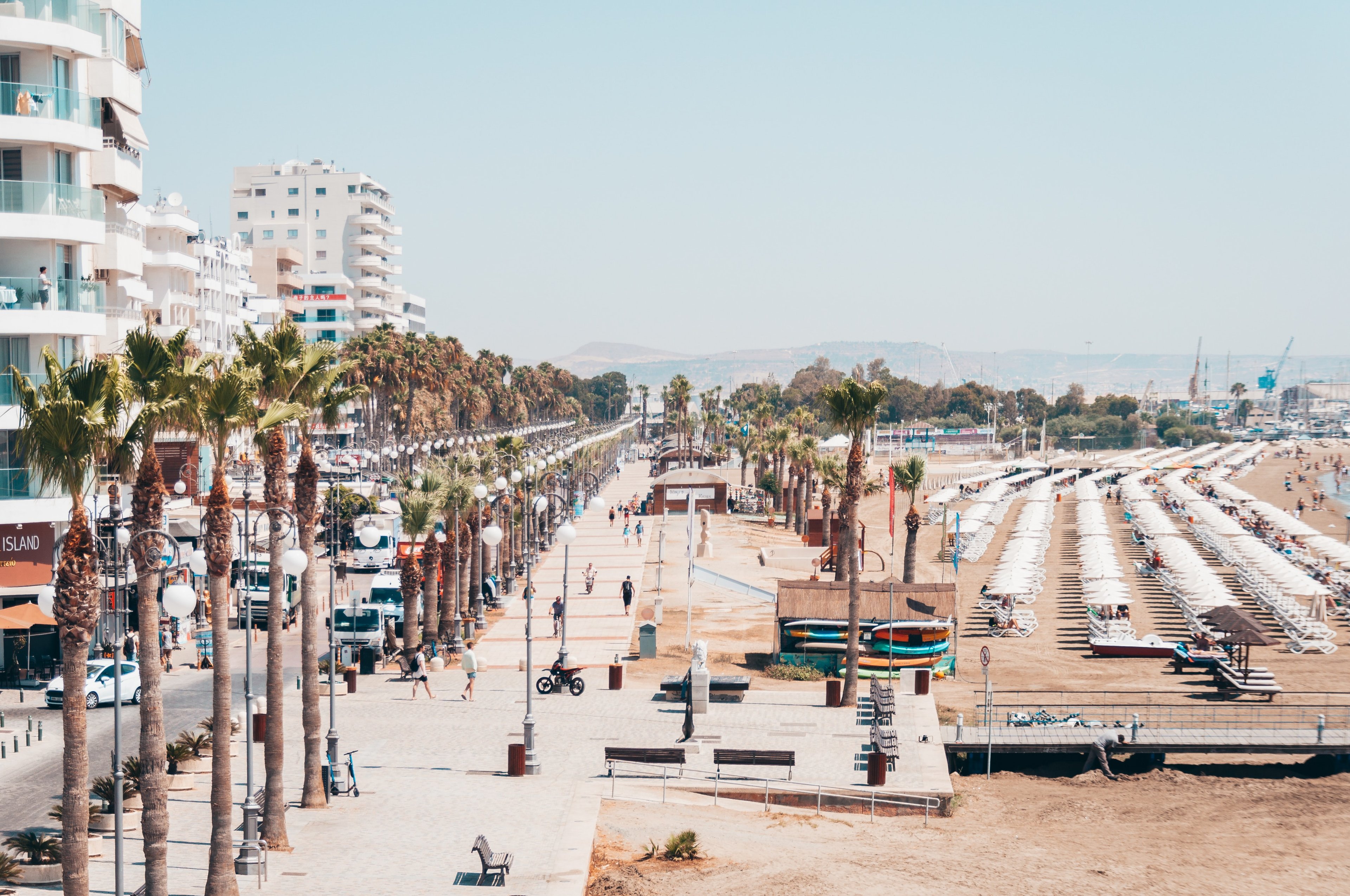
In addition to its historical sites, Larnaca is known for its beaches. Finikoudes Beach, characterized by golden sands and clear waters, provides a relaxing atmosphere, while Mackenzie Beach is renowned for its lively ambiance and water sports.
Understanding the climate is crucial when planning a visit to Larnaca. With a Mediterranean climate, the city experiences hot, dry summers and mild, wet winters. The optimal time to visit is during the spring (April to June) and autumn (September to October) when temperatures are moderate, and tourist crowds are less prominent. These seasons offer an ideal environment for exploring outdoor attractions, enjoying the beaches, and participating in local festivals.
For those seeking a quieter experience and cooler temperatures, the winter months (November to March) are suitable for exploring historical sites and immersing oneself in the local culture.