 215 215 9814
Customize it!
8 Days / 7 Nights
English
Customize it!
4 Days / 3 Nights
English
Customize it!
11 Days / 10 Nights
English
Customize it!
11 Days / 10 Nights
English
Customize it!
9 Days / 8 Nights
English
Customize it!
9 Days / 8 Nights
English
Customize it!
11 Days / 10 Nights
English
Customize it! Choose your hotels!
10 Days / 9 Nights
English
Customize your package

Select from our wide variety


Customize it! Choose your hotels!
14 Days / 13 Nights
English
Customize it!
17 Days / 16 Nights
English
Customize it!
15 Days / 14 Nights
English
Customize it!
15 Days / 14 Nights
English
Customize it!
17 Days / 16 Nights
English

Customize it! Choose your hotels!
11 Days / 10 Nights
English

Customize it!
12 Days / 11 Nights
English
Customize it!
13 Days / 12 Nights
English
Customize it!
13 Days / 12 Nights
English

Customize it! Choose your hotels!
19 Days / 18 Nights
English
Customize it!
8 Days / 7 Nights
English
Customize it!
5 Days / 4 Nights
English
Do you want to visit Wadi El Seboua? Here we tell you everything about this wonderful destination.
Wadi El Seboua, also known as Wadi el-Seboua, is an archaeological site located in southern Egypt, about 180 kilometers south of Aswan and 40 kilometers west of the Nile River.
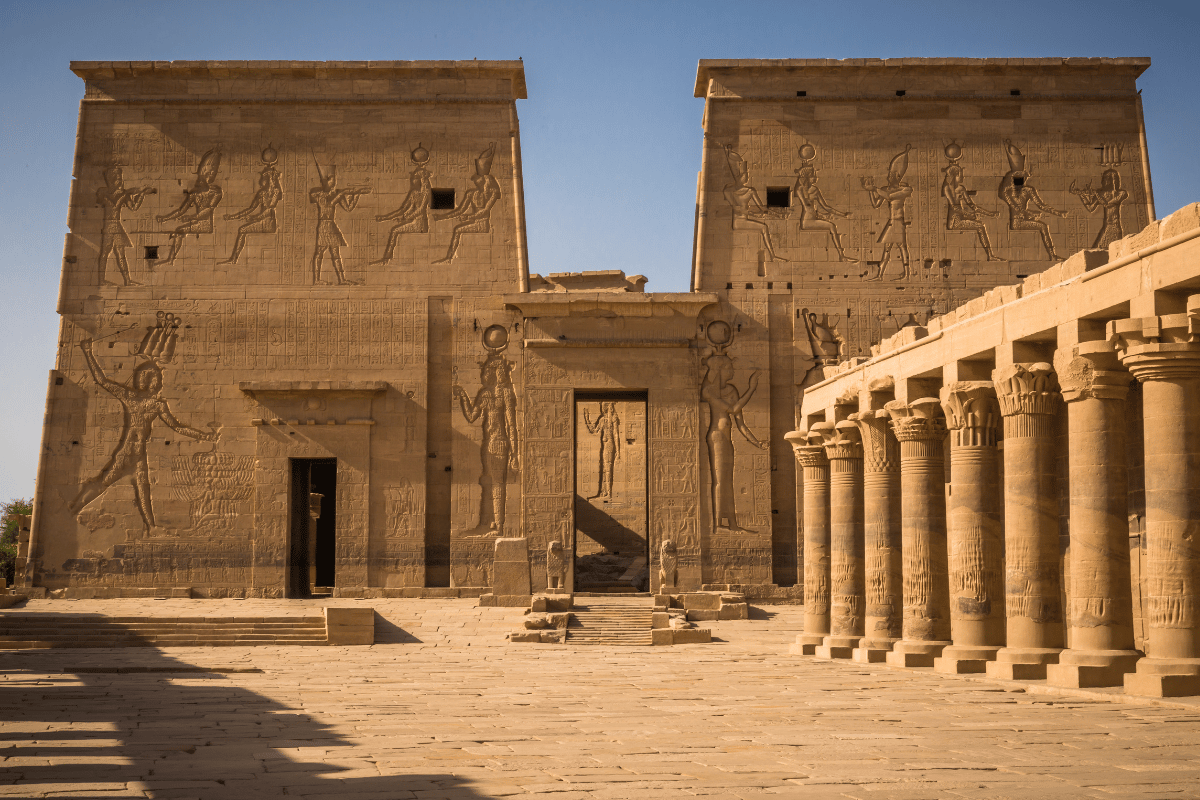
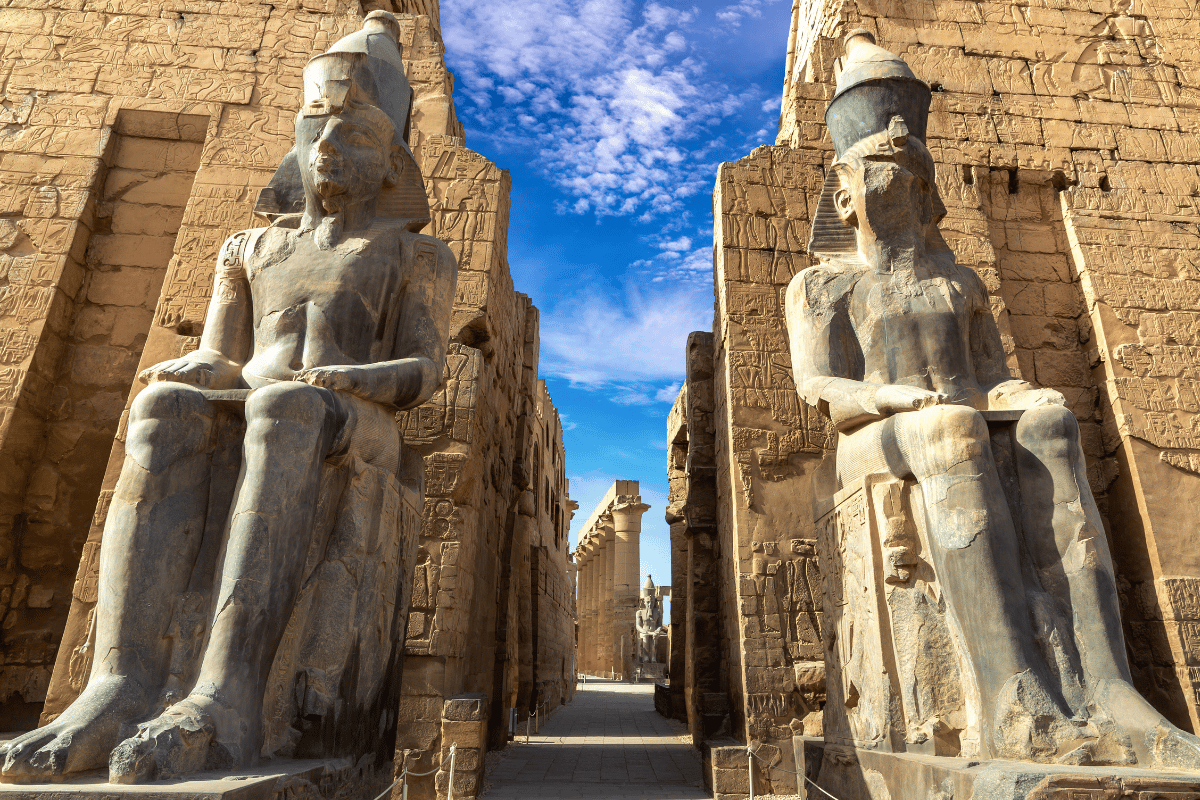
The site is known for its well-preserved temples and structures dating back to the New Kingdom era of ancient Egypt, specifically the reigns of Pharaohs Seti I and Ramses II.
The name “Wadi El Seboua” means “Valley of the Lions” and it refers to the two lion statues that once guarded the entrance to the temple of Ramses II. The site was first explored and documented by French archaeologist Jean-Francois Champollion in the early 19th century.
The temples at Wadi El Seboua were dedicated to the gods Amun, Ra-Horakhty, and Ptah, and were built as a part of the larger Nubian Monuments UNESCO World Heritage Site. The temples feature impressive reliefs and hieroglyphics depicting scenes from ancient Egyptian mythology and daily life.
Visitors to Wadi El Seboua can also see the remains of a small Christian church and a Coptic monastery, which were built during the Roman period and demonstrate the site’s long history of religious significance.
There are several sites of interest that visitors can explore in Wadi El Seboua. Here are some of the most notable:
Overall, Wadi El Seboua is a fascinating site that offers a glimpse into the rich history and culture of ancient Egypt.
Wadi El Seboua is located in a remote area far from any major cities. As a result, there are limited dining options available for visitors. However, travelers to this area can expect to find simple, hearty meals that reflect the local cuisine.
Traditional dishes often include fresh vegetables, grains, and spices, and may be prepared in simple, rustic styles.
Visitors may also have the opportunity to sample traditional teas or other beverages, which are often served with meals or as a refreshment throughout the day.
While the food options in Wadi El Seboua may be limited, visitors can still enjoy a satisfying and authentic culinary experience during their time in this unique and historic region of Egypt.
Wadi El Seboua does not have any major festivals of its own. However, the region where this site is located is home to a number of traditional festivals and celebrations that visitors may be able to participate in or observe during their stay.
One notable festival in the area is the Abu Simbel Sun Festival, which takes place twice a year in February and October.
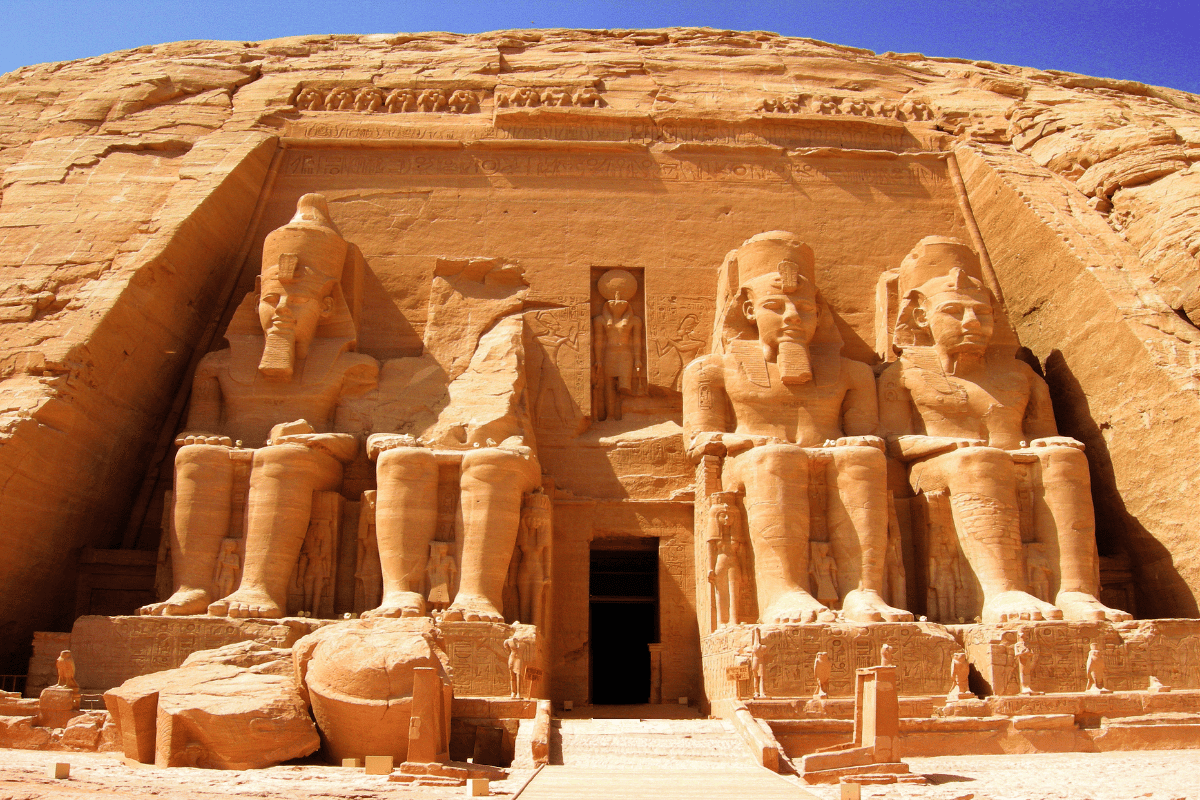
During the festival, the rising sun illuminates the inner sanctum of the Abu Simbel temple, which was built by Pharaoh Ramses II. The event attracts visitors from all over the world and is considered a highlight of any trip to southern Egypt.
Another important festival in the region is the Nubian Festival, which takes place in Aswan every November.
The festival celebrates the culture and traditions of the Nubian people, who have lived in the region for thousands of years. Visitors can enjoy traditional food, music, dance, and other cultural activities during the festival.
Overall, while Wadi El Seboua itself does not have any major festivals, visitors to the region can still experience the rich cultural traditions of Egypt and the surrounding areas through a variety of local celebrations and events.
The culture of Wadi El Seboua is deeply rooted in the history and traditions of ancient Egypt. The site itself is home to several well-preserved temples and structures dating back to the New Kingdom era, and visitors can explore the impressive reliefs and hieroglyphics that adorn these buildings.
The area was also an important center for religion and spirituality, with several temples dedicated to gods like Amun, Ra-Horakhty, and Ptah.
In addition to its ancient heritage, Wadi El Seboua is also home to a small community of people who continue to preserve traditional crafts and skills. Local artisans produce handmade goods like textiles, pottery, and baskets using techniques that have been passed down through generations.
Visitors can also observe traditional farming methods and learn about the local flora and fauna.
In summary, the culture of Wadi El Seboua is characterized by a deep connection to the land and its history. Visitors to the region can gain a greater appreciation for the ancient civilizations that once flourished here, as well as the ongoing traditions and practices that continue to thrive in this unique corner of Egypt.
Wadi El Seboua is a wonderful destination due to its historical heritage and fascinating culture.
In turn, due to its proximity to Luxor and Aswan, many travelers combine their visit to Wadi El Seboua with these destinations, so you will find these sites in several of our offers.
Are you looking to know about an incredible history? Do you want to Marvel at incredible archeological wonders? Do you want to experience a fantastic culture?
If your answer is "yes", at Greca we have several proposals for tourist packages to Wadi El Seboua, which you can modify and adapt according to your needs and times.
There are travel packages for all tastes. Choose your own adventure according to your needs!