 215 215 9814
Customize it!
8 Days / 7 Nights
English
Customize it!
11 Days / 10 Nights
English
Customize it!
4 Days / 3 Nights
English
Customize it!
11 Days / 10 Nights
English
Customize it!
9 Days / 8 Nights
English
Customize it!
9 Days / 8 Nights
English
Customize it!
11 Days / 10 Nights
English
Customize it! Choose your hotels!
10 Days / 9 Nights
English
Customize your package

Select from our wide variety


Customize it! Choose your hotels!
14 Days / 13 Nights
English
Customize it!
17 Days / 16 Nights
English
Customize it!
15 Days / 14 Nights
English
Customize it!
15 Days / 14 Nights
English
Customize it!
17 Days / 16 Nights
English

Customize it! Choose your hotels!
11 Days / 10 Nights
English
Customize it!
12 Days / 11 Nights
English
Customize it!
13 Days / 12 Nights
English
Customize it!
13 Days / 12 Nights
English

Customize it! Choose your hotels!
19 Days / 18 Nights
English
Customize it!
8 Days / 7 Nights
English
Customize it!
5 Days / 4 Nights
English
Kom Ombo is an ancient temple complex located in Egypt, along the Nile River. It is unique because it is a double temple, meaning it is dedicated to two different gods. The temple's construction dates back to the Ptolemaic dynasty, which ruled Egypt from 305 BC to 30 BC.
The two gods that are honored in the temple are Sobek, who is depicted as a crocodile, and Horus, who is depicted as a falcon. The temple has two identical entrances, halls, and sanctuaries, one for each god.
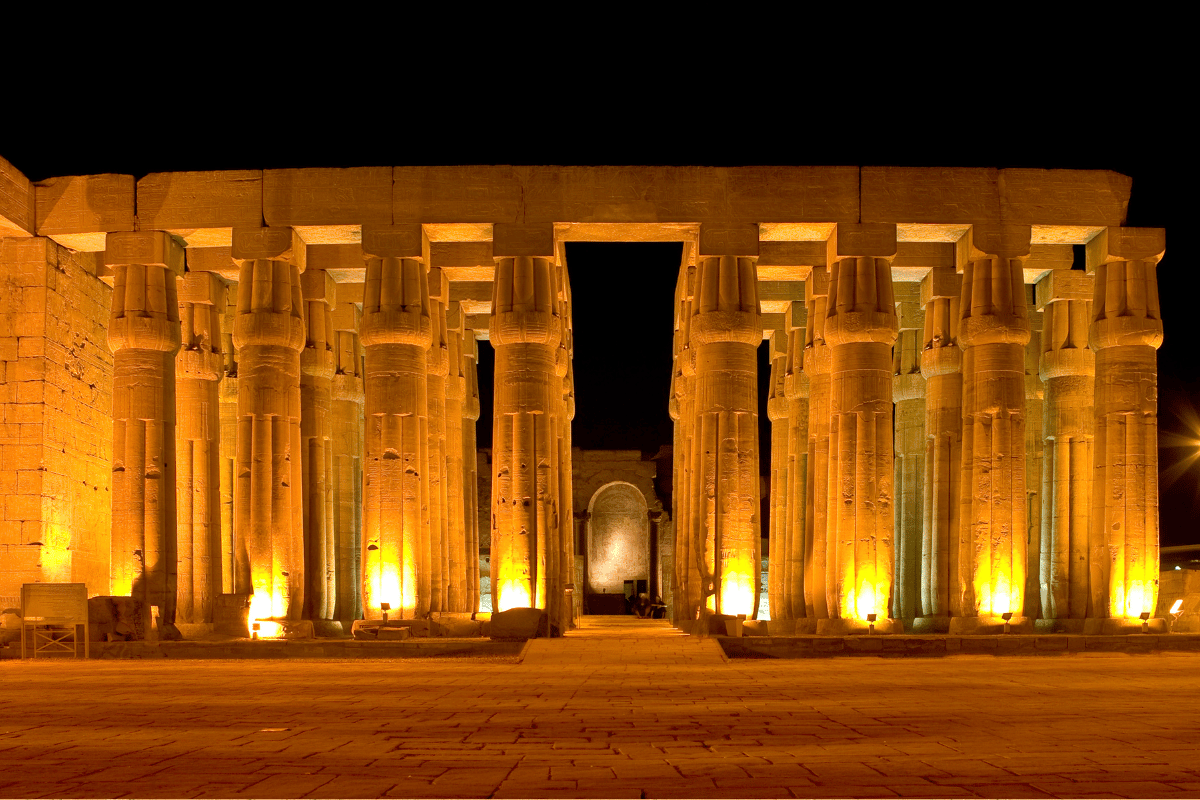
Kom Ombo was an important religious site in ancient times, and it was also a center for healing. The temple has a hall of columns, a hypostyle hall, and various chambers with detailed carvings and paintings. Many of these depict scenes from ancient Egyptian mythology and daily life.
Today, Kom Ombo is a popular tourist attraction, and visitors can explore the temple complex and learn about its rich history and significance in ancient Egyptian culture.
Kom Ombo is located in Upper Egypt, about 45 kilometers north of the city of Aswan, along the east bank of the Nile River. The temple complex is situated on a high ground overlooking the Nile, giving visitors a beautiful view of the river and the surrounding desert landscape.
The area around Kom Ombo is known for its hot and dry climate, with temperatures often exceeding 40 degrees Celsius (104 degrees Fahrenheit) during the summer months. The Nile River provides a vital source of water for the region, and the temple complex was built near the river to take advantage of its fertile soil and access to transportation.
The temple itself is surrounded by a wall, which encloses a large courtyard and several smaller buildings. Beyond the walls of the temple, visitors can see the sandy desert stretching out to the horizon. Overall, the geography of Kom Ombo is characterized by its location on the Nile and its position as an oasis in the midst of the desert.
The top attractions of Kom Ombo are all located within the temple complex itself, and they include:
Overall, the top attractions of Kom Ombo offer visitors a fascinating glimpse into the history and culture of ancient Egypt, and the unique features of the double temple make it a must-see destination for anyone interested in Egyptian archaeology.
There are several ways to get to Kom Ombo, depending on your starting location and travel preferences.
Kom Ombo is a small city in Egypt located along the Nile River. The city is famous for its temple, which is dedicated to two gods: Sobek, the crocodile god, and Horus, the falcon god. The traditions in Kom Ombo are largely centered around this temple.
One tradition that is still practiced in Kom Ombo today is the celebration of the Opet Festival, which was an important event in ancient Egyptian times. During the festival, statues of the gods would be carried from their temples in Luxor to the temple in Kom Ombo, where they would be placed on boats and paraded up and down the Nile.
Another tradition in Kom Ombo is the annual crocodile festival, which takes place in August or September. During the festival, people dress up in colorful costumes and dance to the beat of drums and flutes. The highlight of the festival is a procession of boats decorated with flowers and lights that travel along the Nile, carrying a statue of the crocodile god Sobek.
The people of Kom Ombo also have a long history of farming and agriculture, and many of their traditions are tied to the cycles of the Nile River. For example, every year when the Nile floods, farmers in Kom Ombo plant their crops in the rich, fertile soil that is left behind.
Overall, the traditions in Kom Ombo are a blend of ancient Egyptian practices and more modern customs, all centered around the temple and the Nile River.
The best time to travel to Kom Ombo is during the winter months, from November to February. During this time, the weather is mild and pleasant, with temperatures averaging around 20-25°C (68-77°F) during the day and cooler temperatures at night. This makes it a great time to explore the city and its attractions without the heat and humidity of the summer months.
In the summer, from June to September, temperatures in Kom Ombo can reach up to 40°C (104°F) during the day, and it can be very humid. This can make it uncomfortable to be outside for long periods of time, and many visitors may find it difficult to enjoy the city's outdoor attractions, such as the temple or the Nile River.
Spring (March to May) and fall (September to November) can also be good times to visit Kom Ombo, but temperatures can be more variable, and there may be occasional sandstorms or high winds.
Ultimately, the best time to visit Kom Ombo will depend on your personal preferences and travel plans, but generally, the winter months offer the most comfortable weather for outdoor activities and sightseeing.