 215 215 9814
Cultural & Archaeological Packages in Oviedo
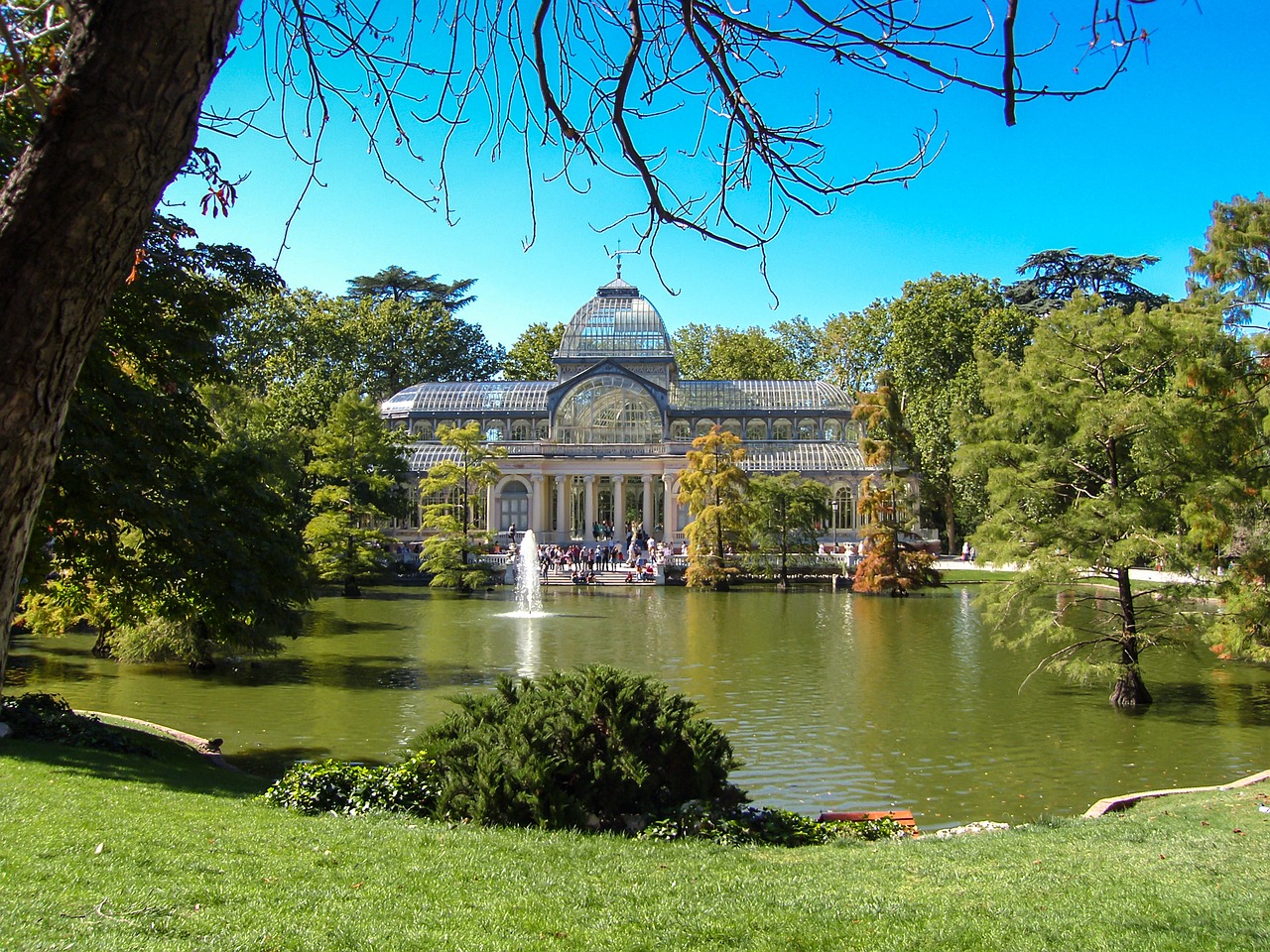
Customize it!
NORTH OF SPAIN AND GALICIA FROM MADRID
Madrid, Zaragoza, Santander, Oviedo, Santiago de Compostela and more
10 Days / 9 Nights
English
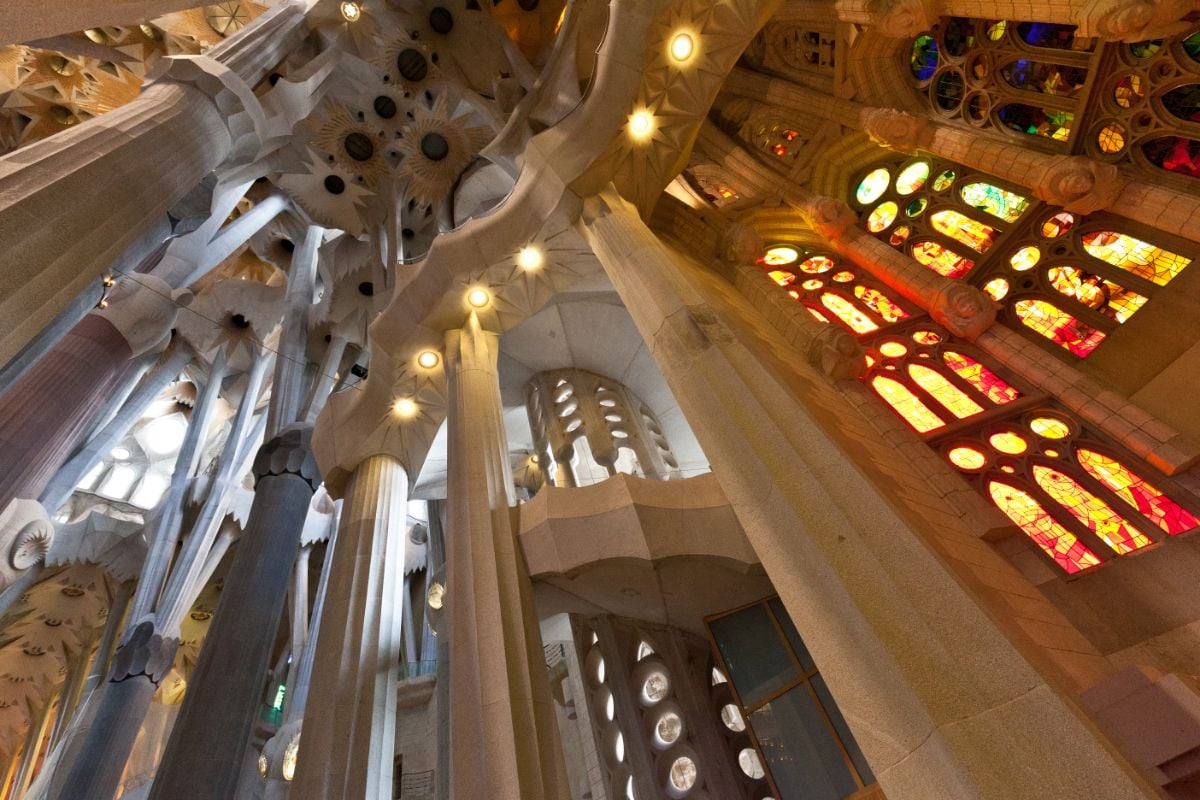
Customize it!
IBERIAN TOUR
Madrid, San Sebastián, Santander, Oviedo, Santiago de Compostela, Porto, Fatima, Lisbon, Cordoba, Seville, Granada, Valencia, Barcelona & more!
22 Days / 21 Nights
English
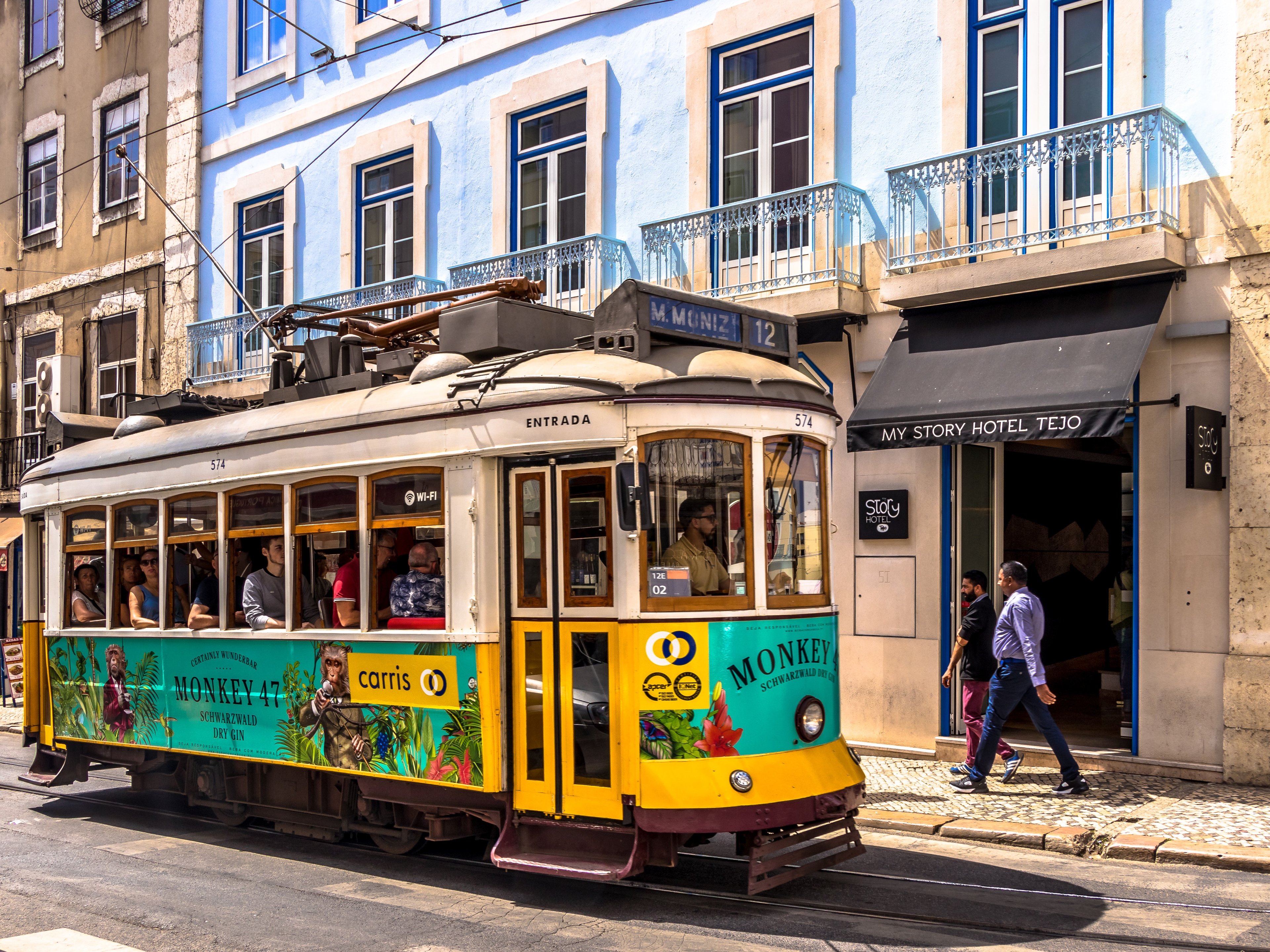
Customize it!
NORTH OF SPAIN AND PORTUGAL FROM MADRID
Madrid, San Sebastian, Santander, Oviedo, Santiago de Compostela, Porto, Lisbon & much more!
16 Days / 15 Nights
English
Oviedo, the charming capital of the Asturias region of Spain, is a destination that captivates its visitors with its rich history and vibrant culture. Oviedo is a treasure trove of archeology and cultural heritage that deserves to be explored, from its historical monuments to its world-renowned museums. Below we tell you about the history and cultural heritage of this wonderful city.
Prehistoric Legacy
The history of Oviedo dates back to prehistory, with evidence of human settlements dating back thousands of years. In the vicinity of the city, you can find archaeological remains from the Bronze Age, such as dolmens and tumuli, which attest to the presence of ancient civilizations in this region.
Roman Oviedo
During Roman times, Oviedo, then known as "Ovetum", was an important military and commercial enclave. Evidence from this era includes ruins of ancient Roman villas, as well as remains of roads and aqueducts that connected the city with other parts of the Roman Empire. At places like the Archaeological Museum of Asturias, you can immerse yourself in this fascinating history through artifacts and exhibits showing life in ancient Ovetum.
The medieval time
The medieval period left an indelible mark on the architecture and culture of Oviedo. One of the highlights of this era is the construction of the Holy Chamber of Oviedo Cathedral, a place of veneration that houses important religious relics, including the Holy Box, believed to contain the remains of the Victory Cross, an emblematic symbol of the Asturian kingdom. In addition, the narrow cobblestone streets of the old town, with its Gothic and Baroque buildings, transport visitors to a medieval past full of splendor and mystery.
Contemporary Archaeology: Recent Research
Contemporary archeology in Oviedo continues to unearth new finds that shed light on the city's past. Recent excavations have uncovered remains of ancient Roman public baths and medieval artifacts, providing a more complete view of life in Oviedo over the centuries.
Museums and Interpretation Centers
For those interested in further exploring Oviedo's rich history, there are a variety of museums and interpretation centers available. In addition to the Archaeological Museum of Asturias, you can visit the Museum of Fine Arts of Asturias, which houses an impressive collection of art from the Middle Ages to the present day, or the Asturian Pre-Romanesque Interpretation Center, which offers a detailed overview of the art and the unique pre-Romanesque architecture of the region.
Archaeological Tourism
Archaeological tourism in Oviedo is booming, with numerous routes and circuits designed to guide visitors through the most notable archaeological sites in the region. From walks through the city's old town to excursions to archaeological sites on the outskirts, there is something to satisfy the curiosity of every history and archeology buff.