 215 215 9814
Guaranteed departures on Thursdays, according to calendar
Book Now! All our programs in up to 12 installments


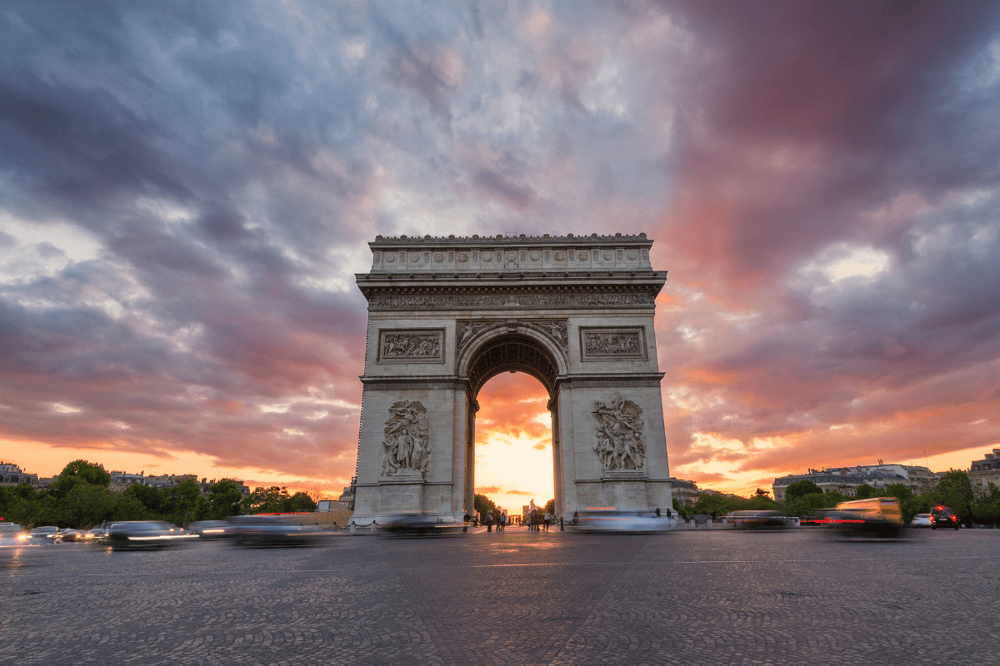
Upon your arrival in the romantic city of Paris, you will be greeted with a seamless transfer to your hotel in one of our vehicles, where your professional driver will ensure your comfort and convenience throughout the journey.
You will have the rest of the day free to explore the city of Light.
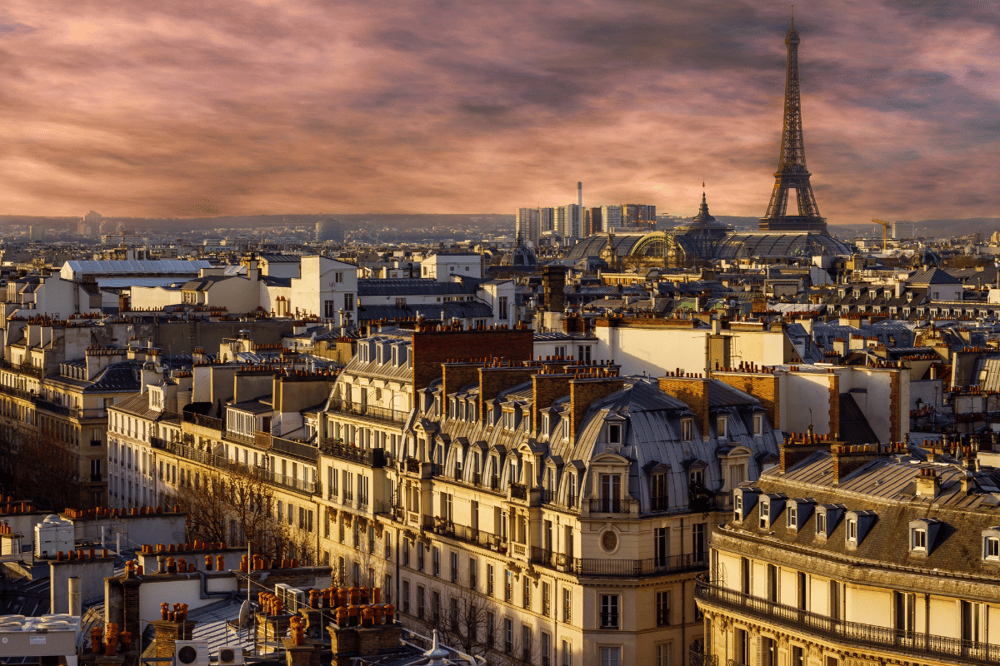
Paris holds a significant place in the history of France and all of Europe. With over two million inhabitants, the capital is one of the most populous cities on the old continent and among the most visited destinations globally, thanks to its countless attractions.
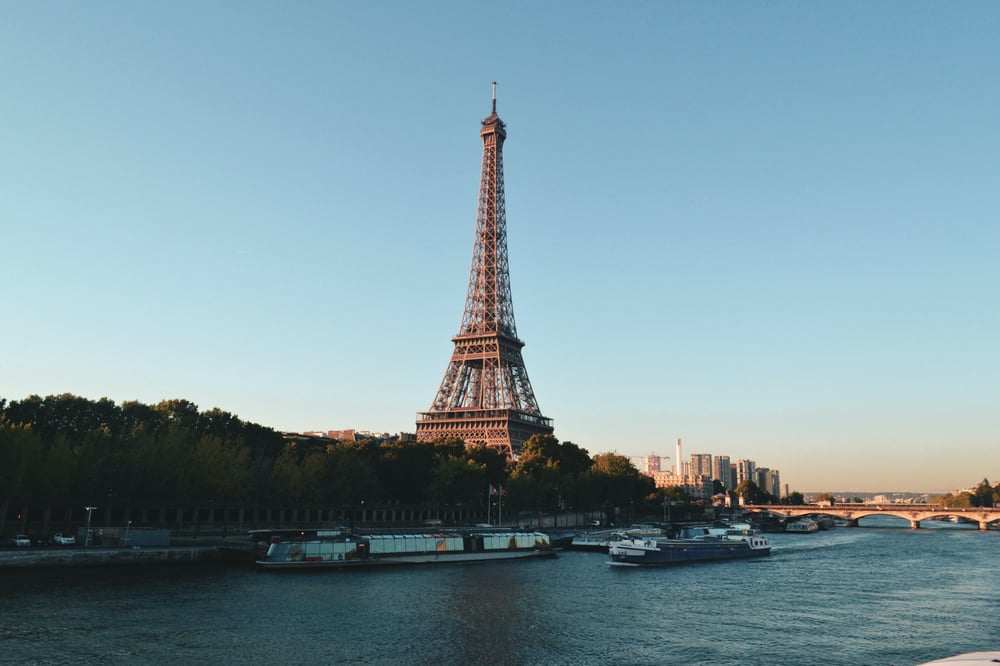
One of them is the great architectural development of the 19th century, which left jewels such as the Madeleine Market, the Grandes Halles, and the Eiffel Tower, the city's icon par excellence.
Paris is also known by many names, one of them being La Ville Lumière (The City of Light) due not only to its fame as a flagship city of arts and sciences, but also for the early illumination of its streets.
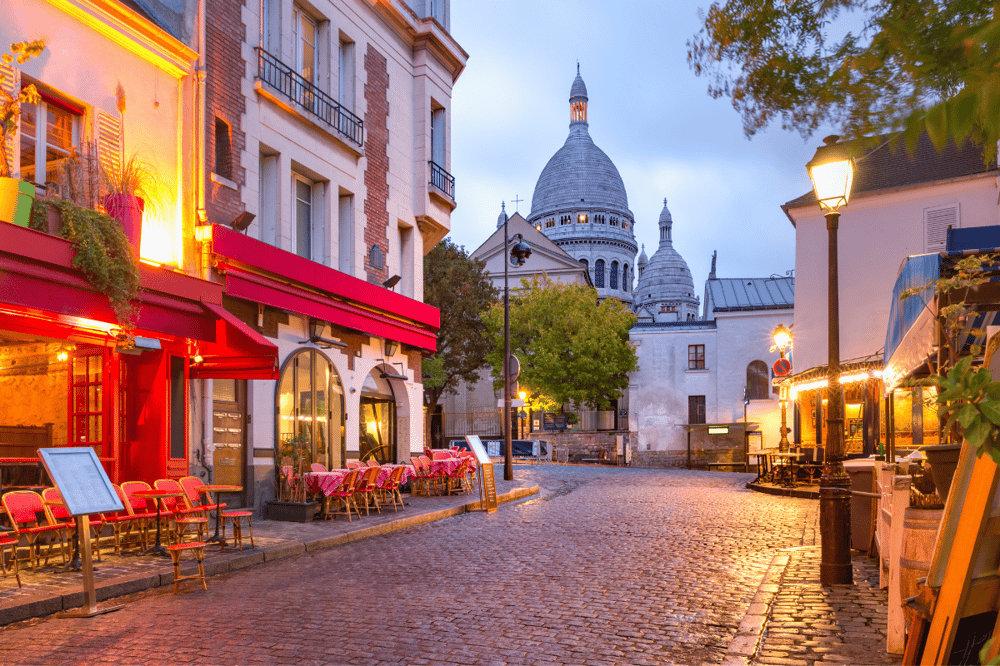
Although the VII arrondissement, where the Eiffel Tower and the Champs-Elysées are located, is the most frequented area, full of luxury venues, monuments such as the Bourbon Palace, or museums such as the Orsay, there is much more to discover. The history, culture, and gastronomy of Paris are prevalent throughout the city.
Greca Tip: The city has a building code that prohibits buildings taller than the Eiffel Tower. This aims to preserve the iconic appearance of the Paris skyline, maintaining the tower as one of the tallest and most recognizable structures.
Early in the morning, we will meet at our starting point in the center of Paris to begin our excursion heading south.
As we travel through the Loire Valley, our first stop will be Blois, a town with a long and prominent history dating back to ancient times. It played a significant role during the Middle Ages and the Renaissance period. Blois boasts a charming old town with narrow streets, timber-framed houses, and a vibrant atmosphere—an ideal place to explore and experience French culture.
Our next stop will be Tours, a city with a rich history that dates back to Roman times. Over the centuries, it has been an important cultural and political center. Its old town, with cobbled streets and historic buildings, offers a delightful setting to discover. We’ll have time here for a stroll and lunch.
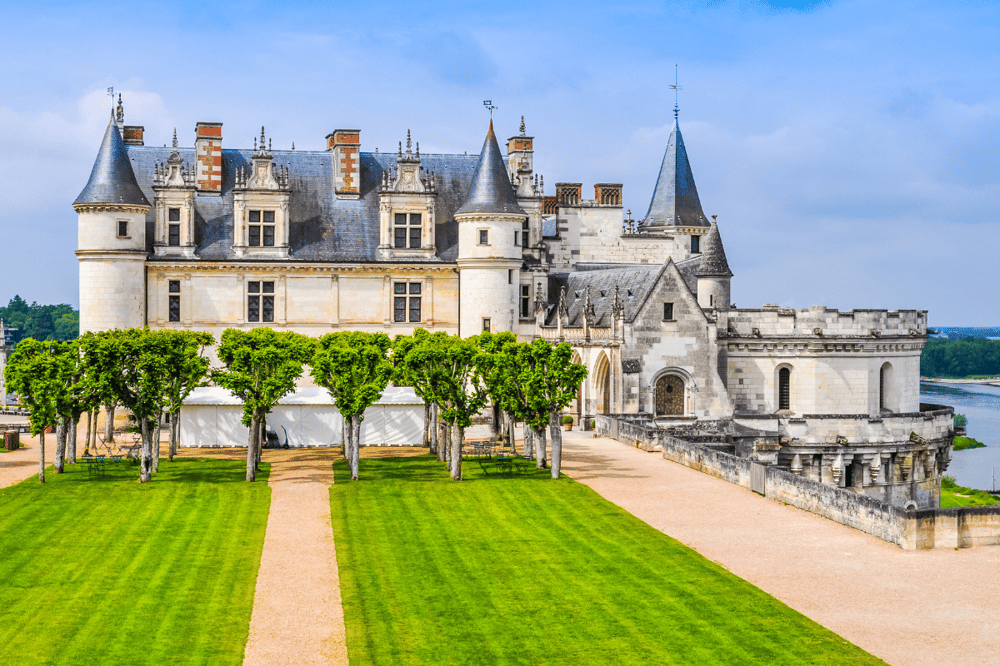
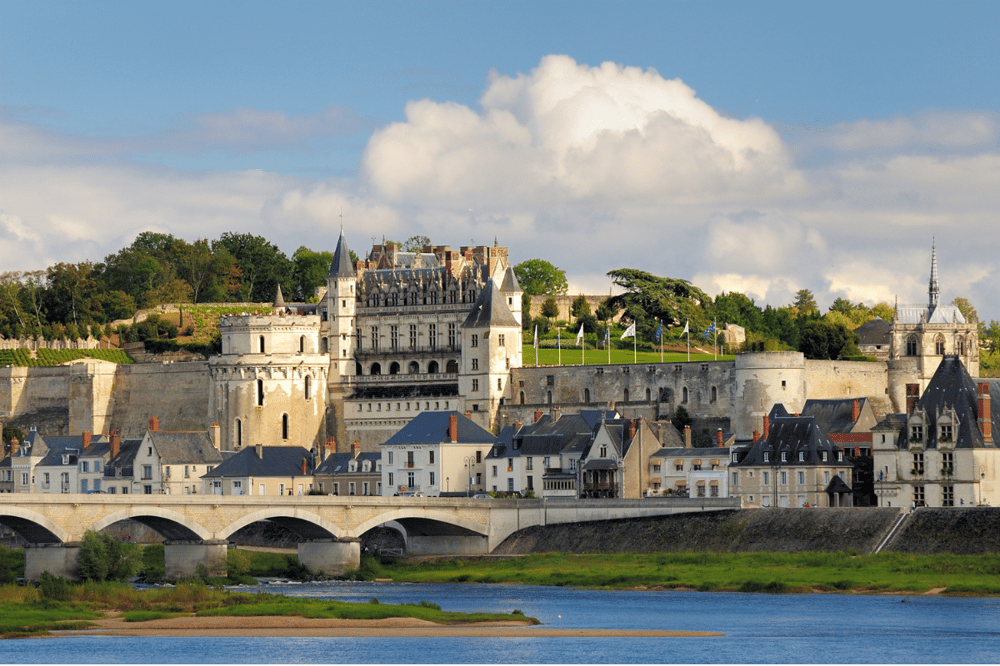
In the afternoon, we’ll visit the Palace of Villandry, famous for its stunning gardens and floral displays—entrance to the gardens is included. We’ll then continue on to Amboise, a town with an interesting medieval quarter on the banks of the Loire River. Dinner included and overnight stay.
Greca Tip: The Loire Valley is best known for its castles, showcasing medieval, Renaissance, and classical architecture. Some of the most famous châteaux include Château de Chambord, Château de Chenonceau, Château de Villandry, Château d’Amboise, among many others. These castles are listed as UNESCO World Heritage Sites.
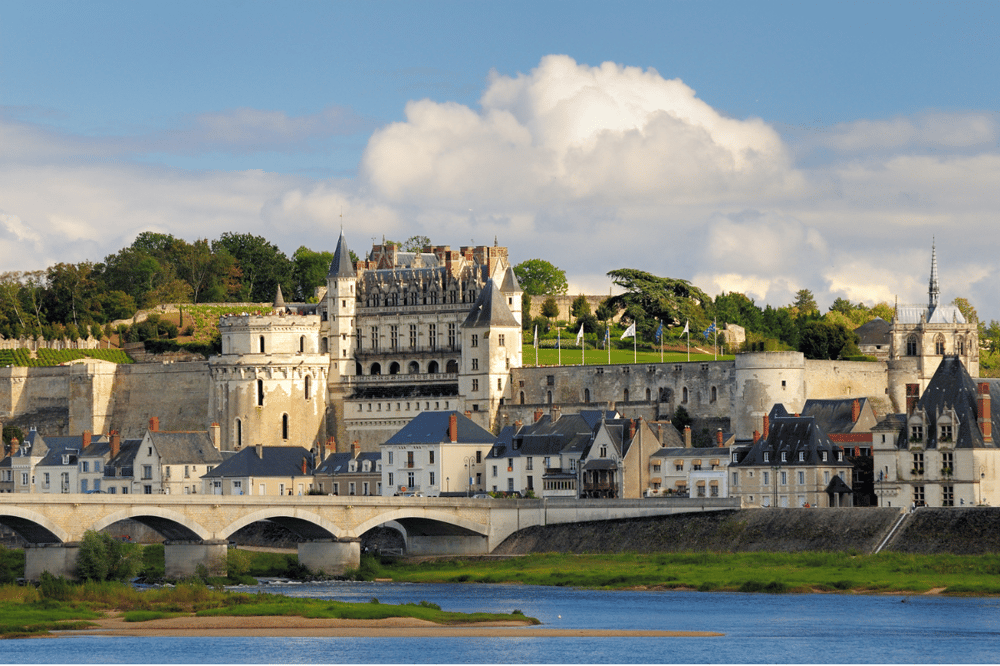
After breakfast you are going to visit the Loire region.
You will take a walk through Amboise first thing in the morning to the Clos Lucé mansion where Leonardo da Vinci spent the last 3 years of his life until his death. You will also visit the Chenonceaux Castle.
The castle is a magnificent example of French Renaissance architecture. It has an elegant design and is built over the river, giving it a unique and picturesque appearance. The castle presents a mix of architectural styles, including Gothic and Renaissance, and has beautiful galleries that extend over the river.
Later you will visit Chambord, the largest of the Loire castles (entrance to the park included). Later you will travel to central France.
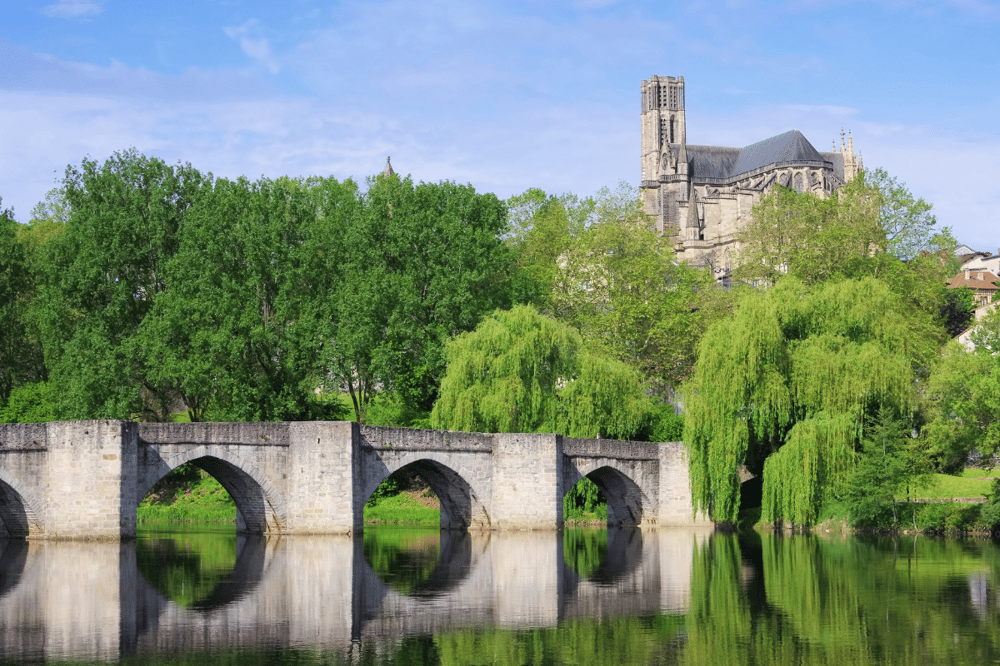
You will arrive in Limoges, the city famous for its porcelain factories, which have been producing fine ceramics for centuries. The rest of the afternoon is free and we suggest walking through the historic center where St. Stephen's Cathedral stands out.
Greca Tip: The Limoges region is known for its regional cuisine, which includes dishes such as Limousin lamb, beef, and dairy products. It is also famous for its cheeses, such as Limousin cheese and Rocamadour goat cheese.
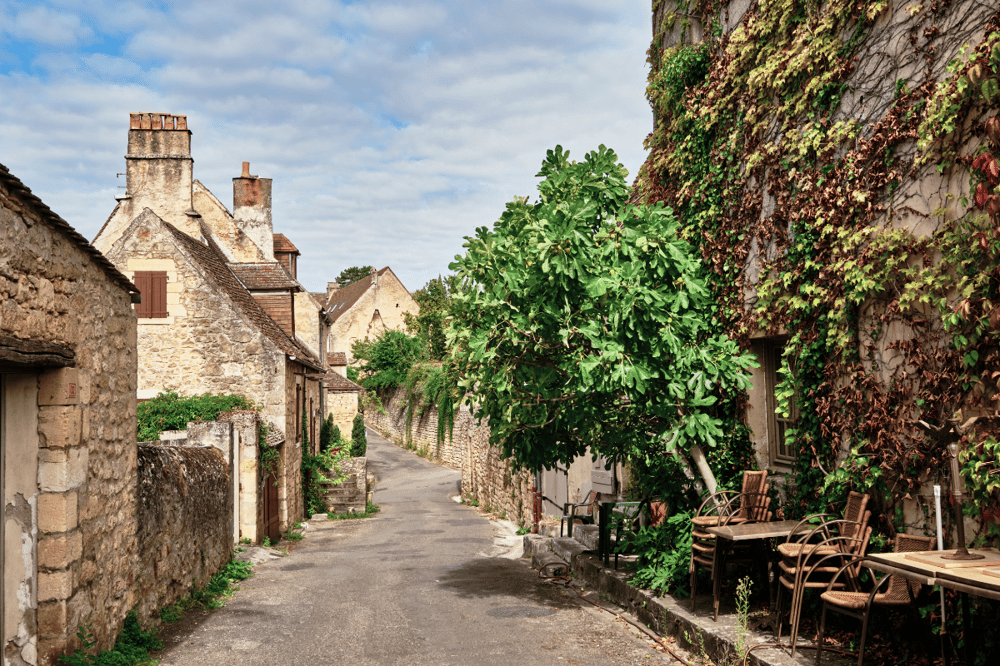
You will leave Limoges after breakfast towards the Dordogne, another of the great historical rivers in central France. Few regions contain so many towns full of charm and unforgettable landscapes.
Continuing along the route you are going to arrive at Lascaux, where you will visit the museum and the replica of the caves, you will learn about prehistory with the magnificent cave paintings.
After that, you will visit Sarlat, a world heritage city that preserves an incredibly well-preserved Renaissance historic center. Here you will have time to walk and have lunch.
Later you will go to Beynac where you will visit a medieval castle overlooking the river (entrance included). This feudal castle stands atop a rocky cliff and offers panoramic views of the Dordogne River Valley. It is one of the best-preserved and most impressive castles in the region.
During the Middle Ages, the castle played an important role in the history of the region and was the subject of disputes between several noble families.
Finally, you will visit Rocamadour, a beautiful medieval town with an important sanctuary “hanging” in a ravine. Accommodation and dinner are included.
Greca Tip: We suggest that in Rocamadur you walk down the Via Crucis and go up with the elevator.
After breakfast, you will leave the hotel towards the impressive Padirac Caves. They were formed over millions of years due to water erosion of limestone. Erosion created a series of underground passages, galleries, and rooms that extend for several kilometers. Here you will take a boat ride 75 meters deep (entrance included with a boat ride on the underground river).
The next stop will be at Collonges la Rouge, which is known for its distinctive red stone architecture, which gives it its name, "la rouge" which means "the red one" in French. This charming village is one of the "Les Plus Beaux Villages de France" (The Most Beautiful Villages in France). Time for lunch.
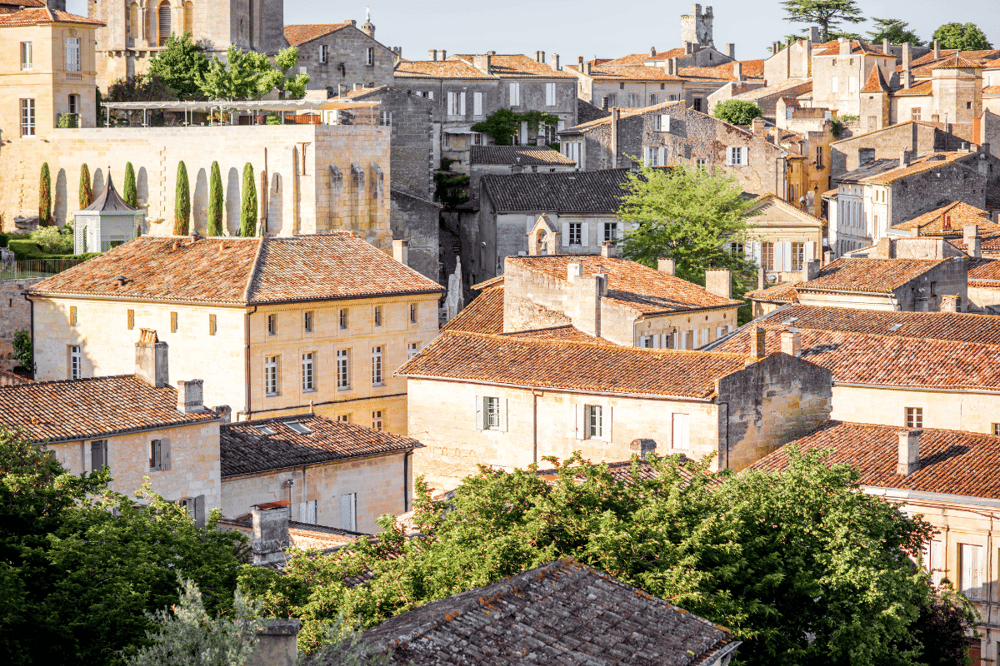
After lunch, you will travel to Saint Emilion, in the center of the Bordeaux wine-producing region. The village itself is a charming example of medieval architecture, with cobbled streets, stone houses, and a monolithic church carved into the rock, the "Église Monolithe de Saint-Émilion", which is a must-see.
We will have free time to walk around before making our way to Bordeaux, where we will arrive in the evening.
Greca Tip: Saint-Émilion has a labyrinth of underground caves where wines are stored and aged. Many of these caves are accessible for tourist visits, and we would highly recommend visiting one, even if you are not a wine enthusiast.
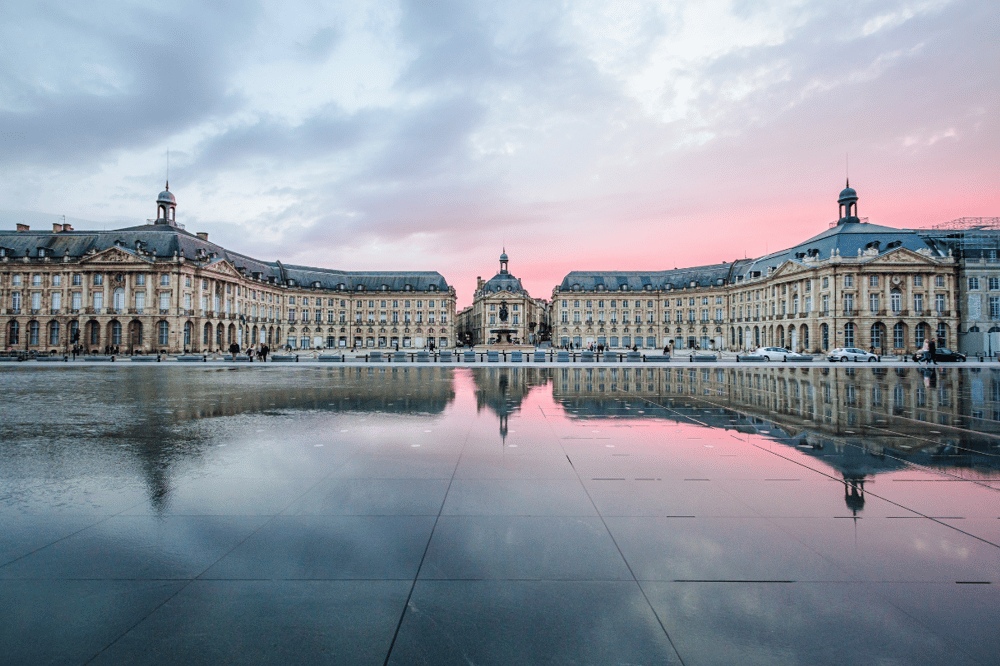
After breakfast, you will visit the center of Bordeaux. It is known for its impressive architecture, ranging from historic buildings to modern structures. The historic center of Bordeaux is a UNESCO World Heritage Site and features cobbled streets, charming squares, and magnificent buildings such as the Place de la Bourse and the Stone Bridge.
Here you will be surprised by the “water mirror” and we will walk through the old town with its pedestrian streets and its 11th-century cathedral.
You will have time to visit on your own La Cité Du Vin, which is an impressive interactive museum that allows you to learn about the history of wine and its production.
You will have free time later to walk and have lunch on the banks of the Garonne River, an area full of small restaurants.
After lunch time you will continue our route towards the Pyrenees.
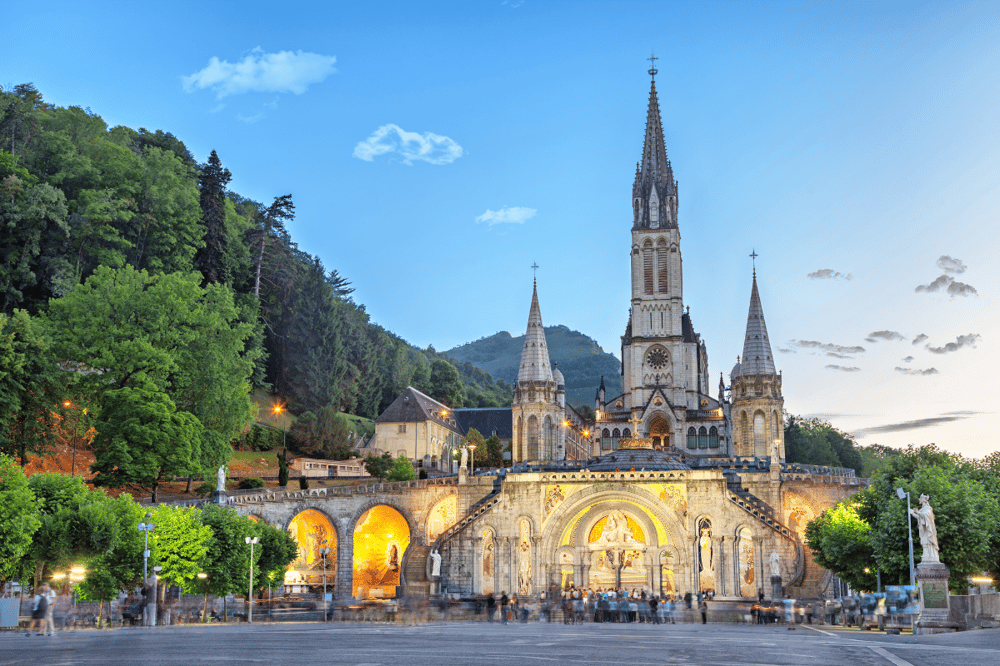
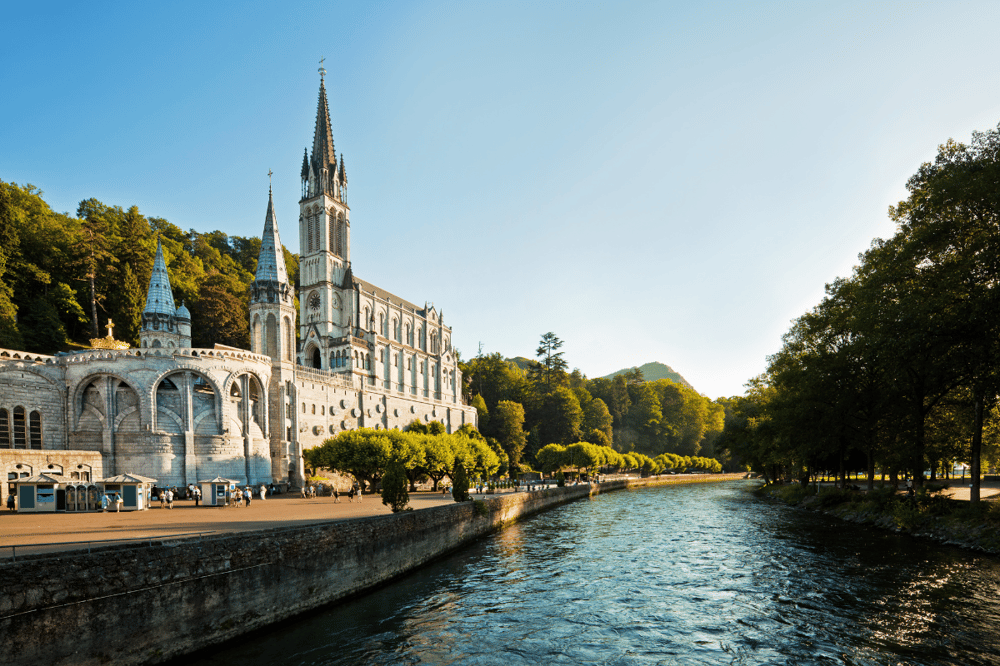
We will arrive in Lourdes in the middle of the afternoon where we will have time to visit the sanctuary.
It is known worldwide for the apparitions of the Virgin Mary which are said to have occurred in 1858, when a young woman named Bernadette Soubirous claimed to have had visions of the Virgin in a grotto near the city.
Accommodation and dinner at the hotel.
Greca Tip: The water of Lourdes is considered by many believers to be miraculous and is believed to have healing properties.
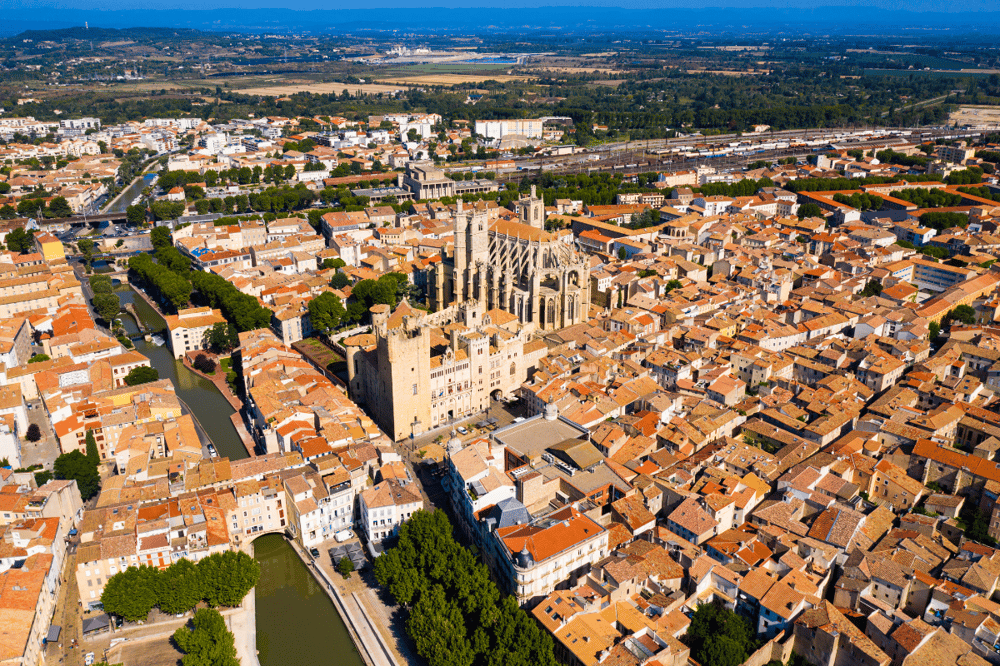
After breakfast, you will travel through the south of France and stop in Carcassonne, which is known for its impressive fortified citadel, which is one of the most outstanding examples of medieval architecture in Europe and has been designated as a UNESCO World Heritage Site. Free time to walk.
After lunch, you will continue to Narbonne. It has a history dating back to ancient Rome. It was founded as a Roman colony in 118 BC and became an important city in the region of Roman Gaul.
As a result, the city has a significant historical legacy, with Roman archaeological remains such as the ancient bridge over the River Aude and the Museum of Archaeology. Here you will have free time to get to know this historic Occitan city with its picturesque historic center.
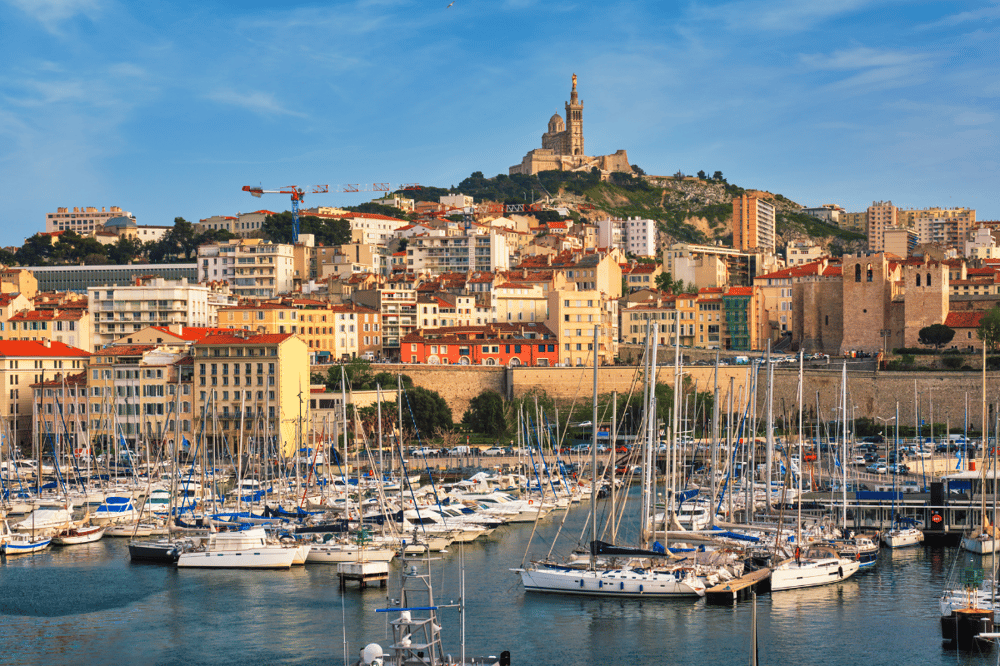
At the end of the afternoon, you are going to arrive in Marseille, the second city in France. It is a cosmopolitan city with great cultural diversity. It has been an entry point for immigrants from various parts of the world, which has enriched its culture and gastronomy. The city is home to several ethnic neighborhoods, such as the Arab Quarter and the Greek Quarter. Accommodation in Marseille.
Greca Tip: We recommend a walk in Marseille through its vibrant “Vieux Port”, full of life and small restaurants.
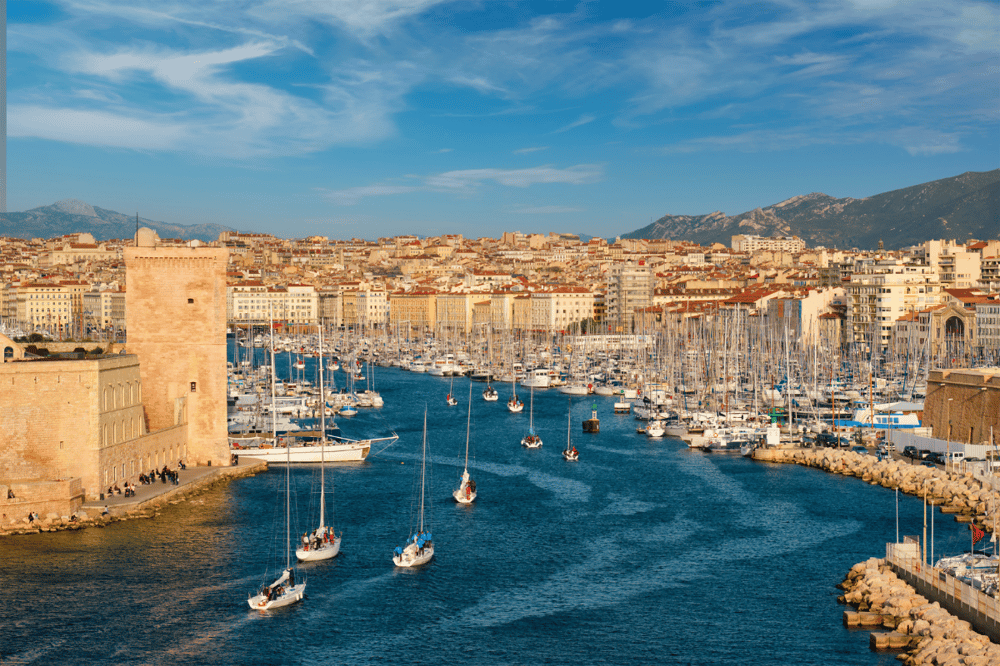
Today you will visit, after breakfast, some of the most beautiful places in Provence. The first stop will be in Arles, a World Heritage city that shows us its legacy from Roman and medieval times and reminds us of Van Gogh.
You will make another stop in Les Beaux, where you will have the opportunity to get to know this small medieval town and we will include the entrance to Carrieres de Lumiere, an impressive spectacle of art, image, and sound underground, in some old quarries.
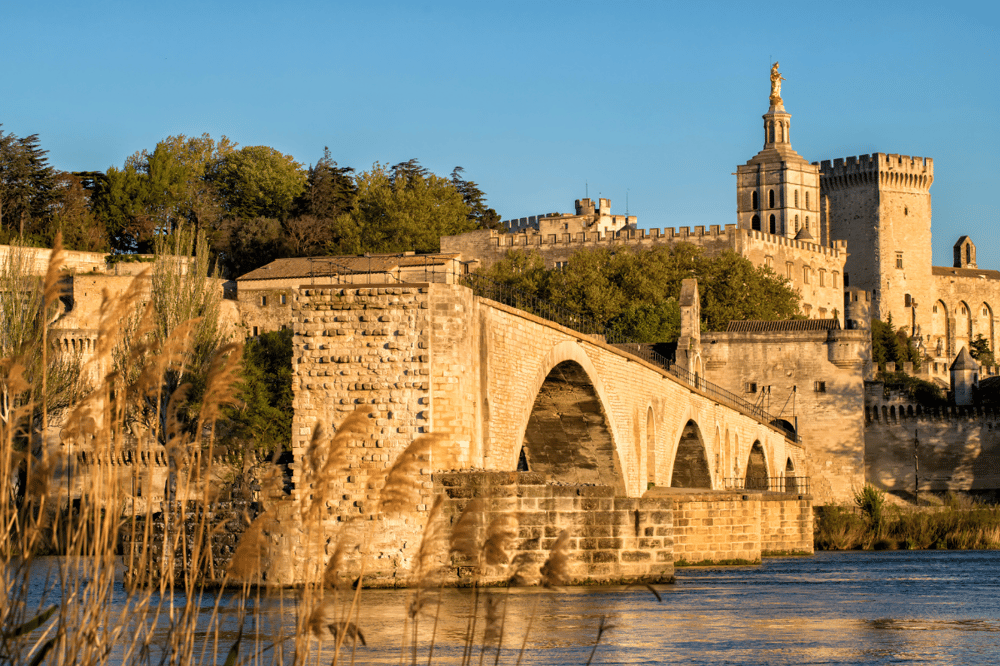
Then you will have time for lunch and a walk in Avignon, it is known for its rich cultural heritage, its medieval architecture, and its historical importance as a papal seat during the 14th century.
The Palace of the Popes (Palais des Papes) is one of the main landmarks of Avignon. During the 14th century, Avignon was the seat of the papacy, and the palace was the residence of several popes. It is a stunning example of Gothic architecture and one of the largest and most beautiful palaces of the Middle Ages.
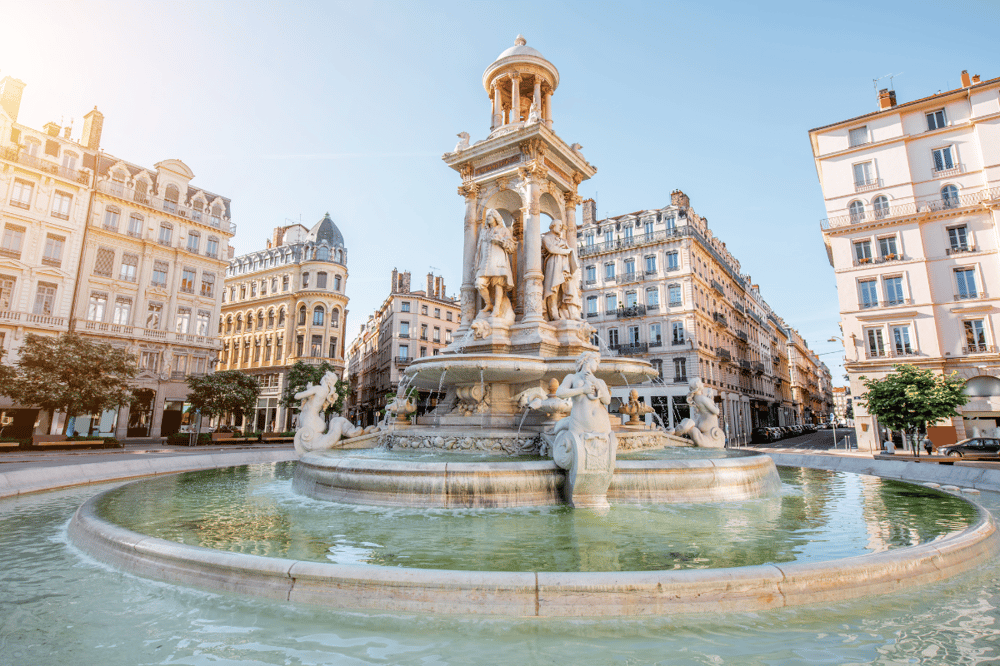
Later you will continue to Lyon, where you are going to spend the night. Once there you can walk through the old quarter declared a World Heritage Site and you will include the funicular to go up to Notre Dame de Fourviere, an immense basilica from where we have a great view of the city.
Greca Tip: The Provence region is known for its delicious cuisine, and Avignon is no exception. Local dishes include ratatouille, bouillabaisse, and regional wines.
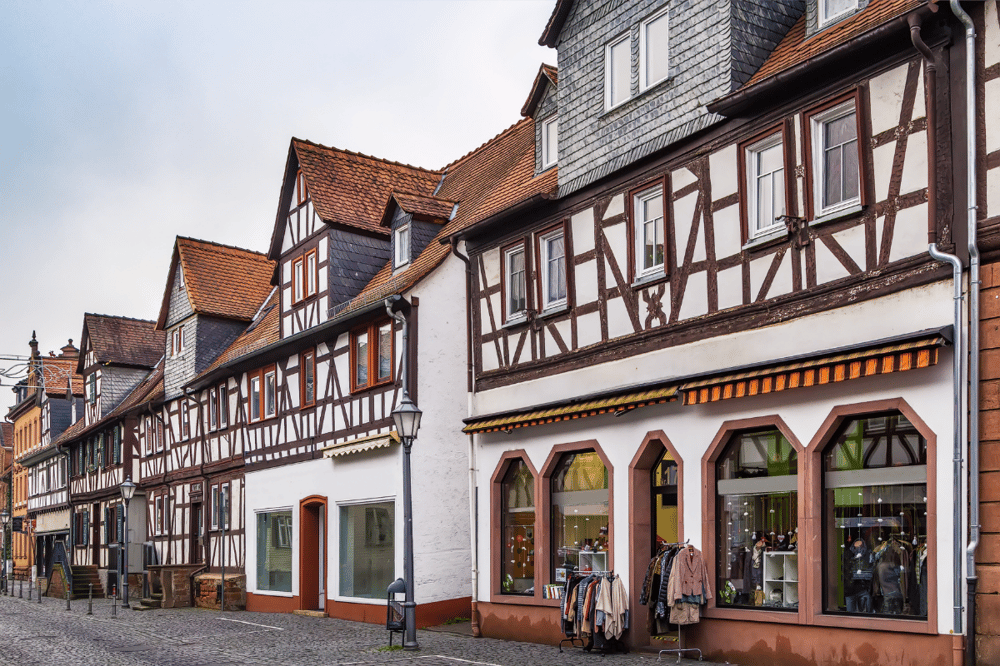
You will leave Lyon towards Burgundy, after breakfast and make a stop in Tournus, a pleasant small town with its immense stone gate and its great abbey.
After that, we travel to Beaune where you will have time to walk and have lunch. It is one of the most prominent cities in the Burgundy wine region and is known for its rich cultural heritage, medieval architecture, and, above all, for being the center of the region's wine production.
We later visit the Savigny Castle in the center of this wine region, built in the 15th century, housing some extraordinary museums (museum of motorcycles, racing cars, airplanes and helicopters!).
Finally, you will travel to Dijon, the capital of Burgundy, with its lively streets, and the magnificent urban complex with its numerous medieval and Renaissance buildings.
Greca Tip: Dijon is famous for its mustard, which has been produced in the region for centuries.
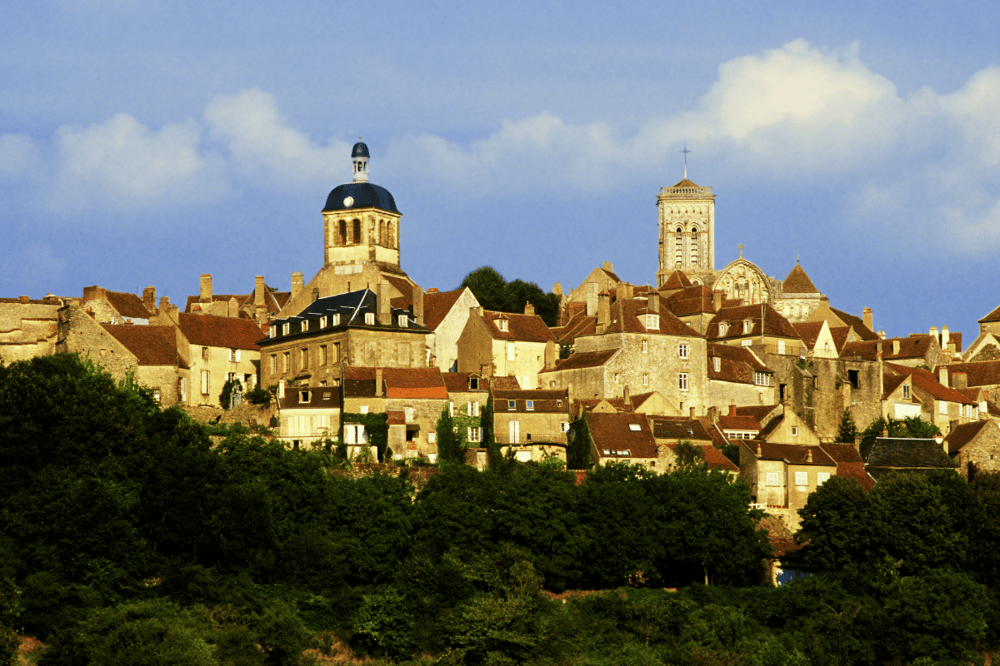
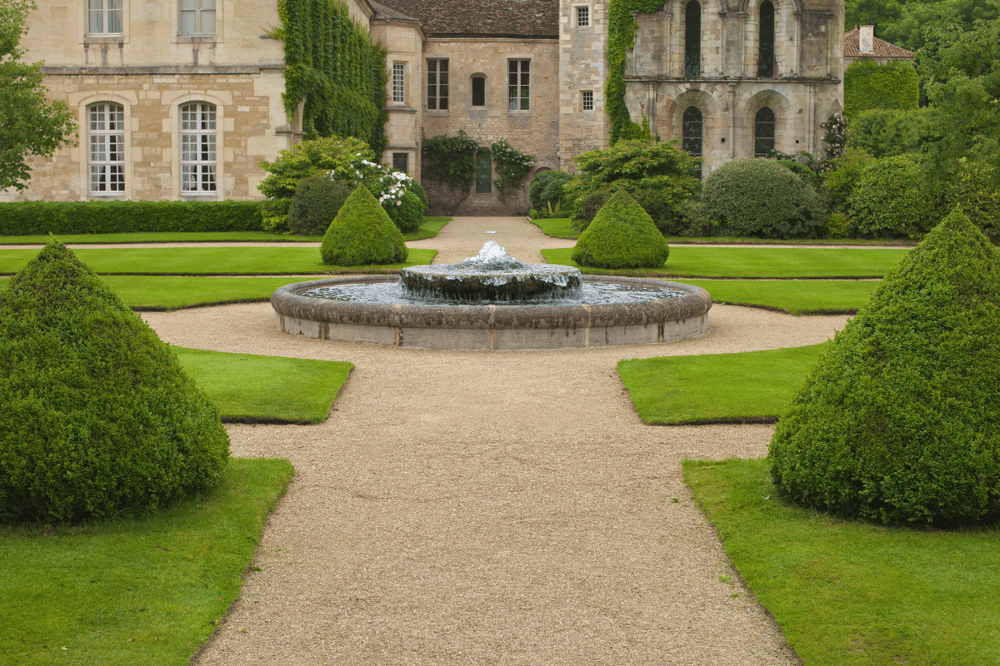
After a wonderful breakfast, you will leave Dijon towards Fontenay Abbey, a World Heritage Site, we include entrance to this center of the Cistercian order. After that, you will visit Semur en Auxois, which is a medieval city surrounded by impressive walls.
Even in Burgundy, you will have time to have lunch and walk in Vezelay, one of the most beautiful towns in France that is recognized since its immense basilica was one of the starting points of the Camino de Santiago (Way of St James).
In the afternoon you are going to continue your route towards Paris, where you will arrive in the middle of the afternoon.
Greca Tip: Semur-en-Auxois has several historic churches, including the Church of Notre Dame, which dates back to the 13th century. This church features impressive Gothic architecture and is an important religious site.
In the morning, you will enjoy a tasty breakfast and then you will be transferred to Paris airport, where your tour will come to an end.
Undoubtedly, having spending a few fantastic days with Greca, we hope to see you again soon to create more memorable moments that will be etched in your memory forever.
Have a nice trip!
Greca Tip: You can extend your stay in Paris at Step 1 of your reservation!
If you cannot find the answer in our FAQ's section nor can you make the customizations you want at the time of the booking... Do not worry! We are here to help! Simply inquire now by clicking on the button below and one of our agents will clear up all your doubts within the next 24 hs. And remember... your inquiry is always welcome!

MINISTRY OF TOURISM
Official Travel Agency Authorized under licence nº 0261E70000817700

TRIP ADVISOR AWARDS
Awarded for 5 consecutive years for our trusted and quality services reviewed by thousands of travelers every year.

CHAMBER OF COMMERCE
Members of the Chamber of Industry and Commerce under register Greca Travel

EXHIBITORS
From January 18nd to January 23th, Madrid, Spain. Hall 4, Stand 4C13.

INTERNATIONAL TRAVEL AWARDS
Best Online Travel Company (Region / Continent Level)

TOUR COMPANY OF THE YEAR
Winners of the 2021 Travel & Hospitality Awards