 215 215 9814
Iceland Travel Guide 2026
Explore the land of fire and ice, a country where glaciers, volcanoes, waterfalls, and the Northern Lights coexist in perfect harmony. This complete guide will help you plan your next trip to Iceland with key tips, what to see, when to go, and where to experience the best of nature.
Iceland is an island nation located in Northern Europe, at the far northwest of the continent.
Its remote location and dramatic geography make it one of the most unique and photogenic destinations in the world.
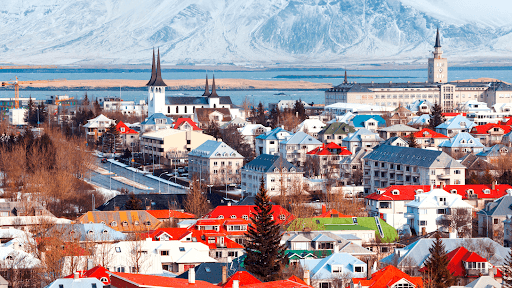
Tourism has skyrocketed in recent years — with over 2.3 million international visitors expected in 2025, the country continues to expand and modernize its infrastructure, particularly around Keflavík International Airport, the main entry point.
Beyond its landscapes, Reykjavik, the capital, offers a cozy, creative atmosphere filled with culture, art, and Nordic design. It’s also one of the safest cities in the world.
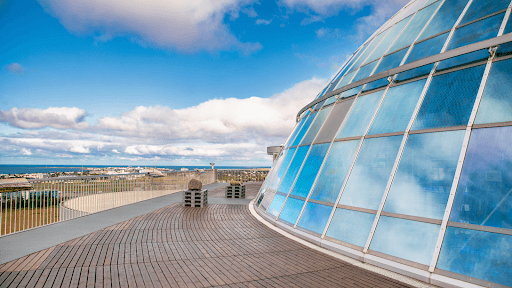
What to Do in Iceland
Whether you visit for a few days or several weeks, Iceland offers unforgettable experiences in every direction.
Top things to do:
- Tour the Golden Circle Route, which includes:
- Thingvellir National Park (UNESCO World Heritage Site)
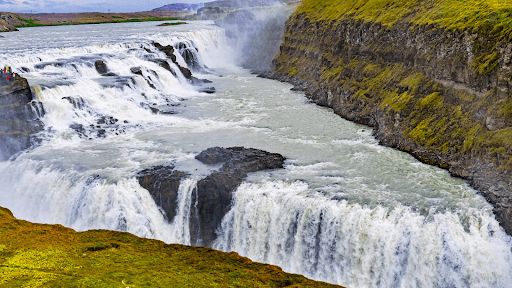
- Gullfoss Waterfall
- Strokkur Geyser, erupting every few minutes
- Relax in the Blue Lagoon, one of the world’s most famous geothermal spas.
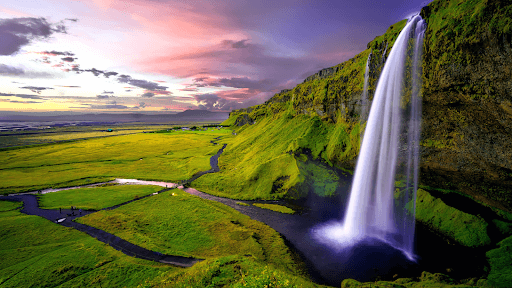
- Visit South Iceland: Skógafoss, Seljalandsfoss, Reynisfjara Beach, and Vatnajökull National Park.
- Explore the North, including Akureyri and Lake Mývatn.
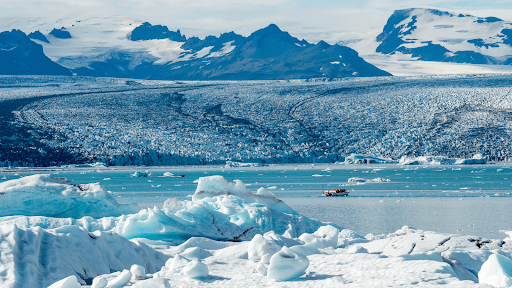
- Experience the Northern Lights (Sep–Apr) or the Midnight Sun (Jun–Aug).
Traveler Tip: Renting a car is the best way to explore at your own pace, especially along Iceland’s famous Ring Road.
Where to See the Northern Lights in Iceland
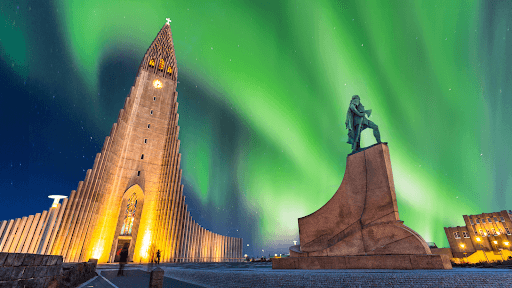
The Northern Lights (Aurora Borealis) are one of Iceland’s greatest natural wonders.
The best time to see them is between September and April, when nights are long and skies are dark.
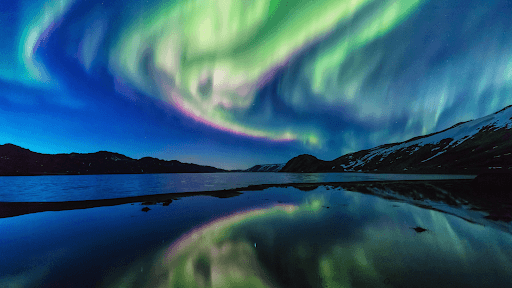
Top viewing spots:
- Thingvellir National Park – only 45 minutes from Reykjavik, with minimal light pollution.
- Snaefellsnes Peninsula – surrounded by mountains, beaches, and glaciers.
- Kirkjufell Mountain – the most photographed in Iceland.
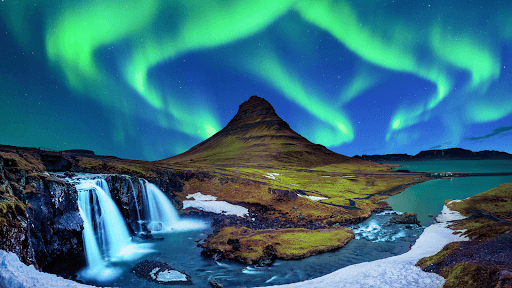
- South Coast – Vik, Reynisfjara, and Jökulsárlón Glacier Lagoon.
- Akureyri and the North – closer to the Arctic Circle.
- Westfjords – remote, quiet, and ideal for stargazing.
Tip: Use the Aurora Forecast, avoid city lights, and stay patient — the lights can appear anytime during clear nights.
Icelandic Gastronomy
Icelandic cuisine is shaped by its climate, isolation, and resourcefulness.
It combines centuries-old recipes with modern Nordic influences, offering both comfort food and gourmet dishes.
Must-try dishes:
- Plokkfiskur: traditional fish stew (usually cod or haddock).
- Lobster soup (Humarsúpa): creamy and flavorful, especially in the south.
- Skyr: a protein-rich dairy between yogurt and cheese.
- Icelandic lamb: free-range and tender, used in Kjötsúpa (lamb and vegetable soup).

- Pylsur: Icelandic hot dog, the country’s favorite snack.
- Rúgbrauð: sweet geothermal rye bread baked underground.
For the adventurous:
- Hákarl: fermented shark.
- Svið: boiled sheep’s head, a relic of old Icelandic traditions.
When to Visit Iceland
The best time to visit depends on the experience you want:
**Season, Weather & Highlights **
- | Spring (Apr–Jun) | Cool temperatures, blooming nature, fewer tourists.
- | Summer (Jun–Aug) | High season, 24-hour daylight, ideal for road trips and camping.
- | Autumn (Sep–Oct) | Beautiful colors and Northern Lights return.
- | Winter (Nov–Mar) | Cold and snowy; best for Northern Lights and ice cave tours.
Traveler Tip: Always pack layers and waterproof clothing — the weather changes quickly!
Visa and Practical Information
- Visa: EU and Schengen citizens do not need one. Others may stay visa-free up to 90 days.
- Currency: Icelandic króna (ISK); cards accepted everywhere.
- Exchange rate: €1 ≈ 150 ISK (subject to fluctuation).
- Time zone: UTC+0 (no daylight saving).
- Transport: Rent a car for freedom; buses and internal flights are available.
- Connectivity: Excellent 4G/5G coverage and affordable SIM cards.
The Language in Iceland
The official language is Icelandic, a descendant of Old Norse that has changed little over the centuries.
Although it may seem complex, almost everyone speaks English, particularly in Reykjavik and tourist areas.
Fun fact: Icelanders are known for preserving their language — even creating new Icelandic words instead of borrowing foreign ones.
How to Travel to Iceland
Most visitors arrive via Keflavík International Airport (KEF), about 40 minutes from Reykjavik.
It’s Iceland’s main hub, with frequent connections to Europe and North America.
From Europe:
Direct flights from London, Paris, Amsterdam, Copenhagen, Frankfurt, Madrid, and more (3–5 hours).
From North America:
Direct connections from New York, Boston, Washington D.C., Chicago, Seattle, Toronto, and Montreal (5–7 hours).
From Asia & Oceania:
Flights usually connect through European hubs like London or Copenhagen, totaling 12–20 hours.
Travel Tips:
- Book early for peak seasons (June–August, December–January).
- Some airlines offer free stopovers in Reykjavik — a perfect way to explore before your next flight.
- Check baggage rules with low-cost carriers.
Interesting Facts About Iceland
- 🇮🇸 Iceland has no army and is one of the safest countries in the world.
- ♨️ Over 80% of its energy comes from renewable geothermal and hydro sources.
- ❄️ Around 11% of the island is covered by glaciers.
- 🍺 Beer was banned until 1989 — March 1st is now celebrated as Beer Day.
- 🌍 Reykjavik is the northernmost capital in the world.
Conclusion
Iceland is more than a destination — it’s a journey through the elements.
From glowing ice caves to steaming geothermal fields, it offers an experience unlike anywhere else on Earth.
Travelers come for the Northern Lights, stay for the midnight sun, and fall in love with its wild beauty and peaceful rhythm.
Whether you’re visiting for a few days or several weeks, Iceland will leave you speechless and inspired.
Start planning your trip now with Greca Travel’s Iceland Packages.