 215 215 9814
Cultural & Archaeological Packages in Santiago de Compostela
Customize it!
ESSENTIAL SPAIN AND PORTUGAL
Madrid, Lisbon, Porto, Evora, Santiago de Compostela and much more
8 Days / 7 Nights
English
Customize it!
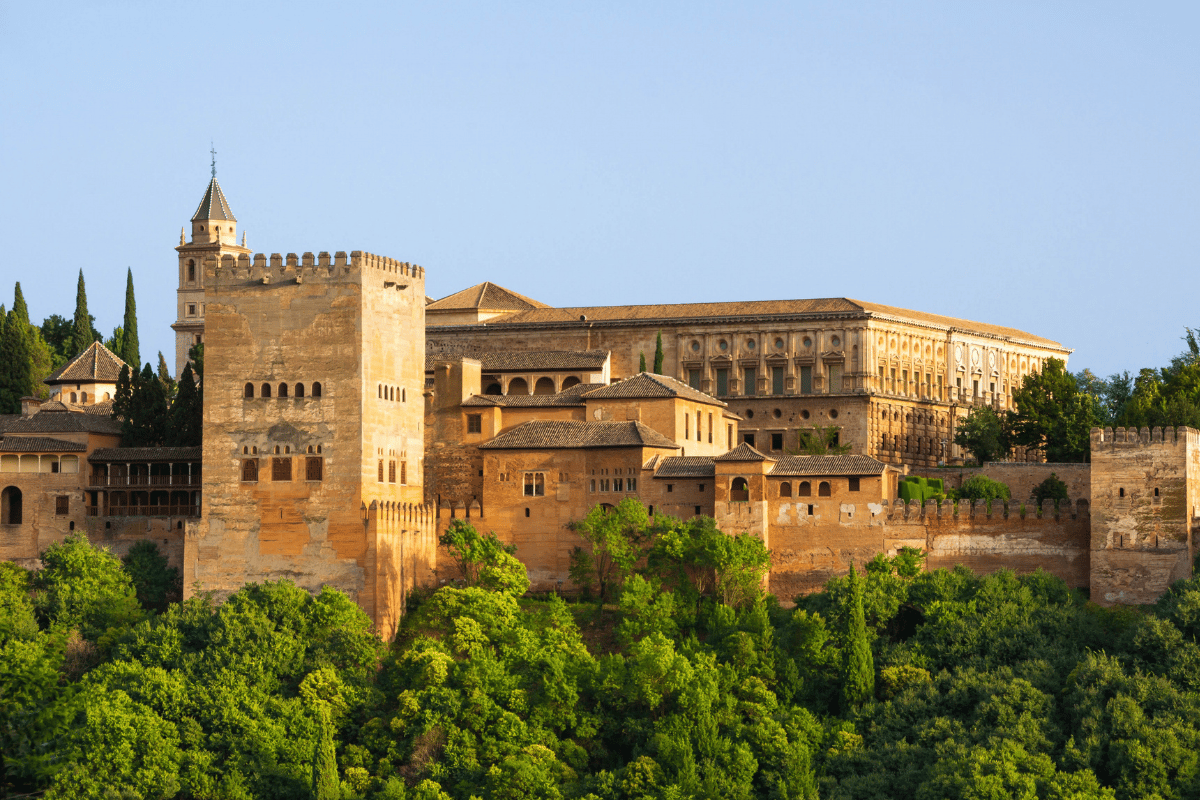
WONDERS OF SPAIN
Madrid, Granada, Seville, Barcelona and more
8 Days / 7 Nights
English
Customize it!
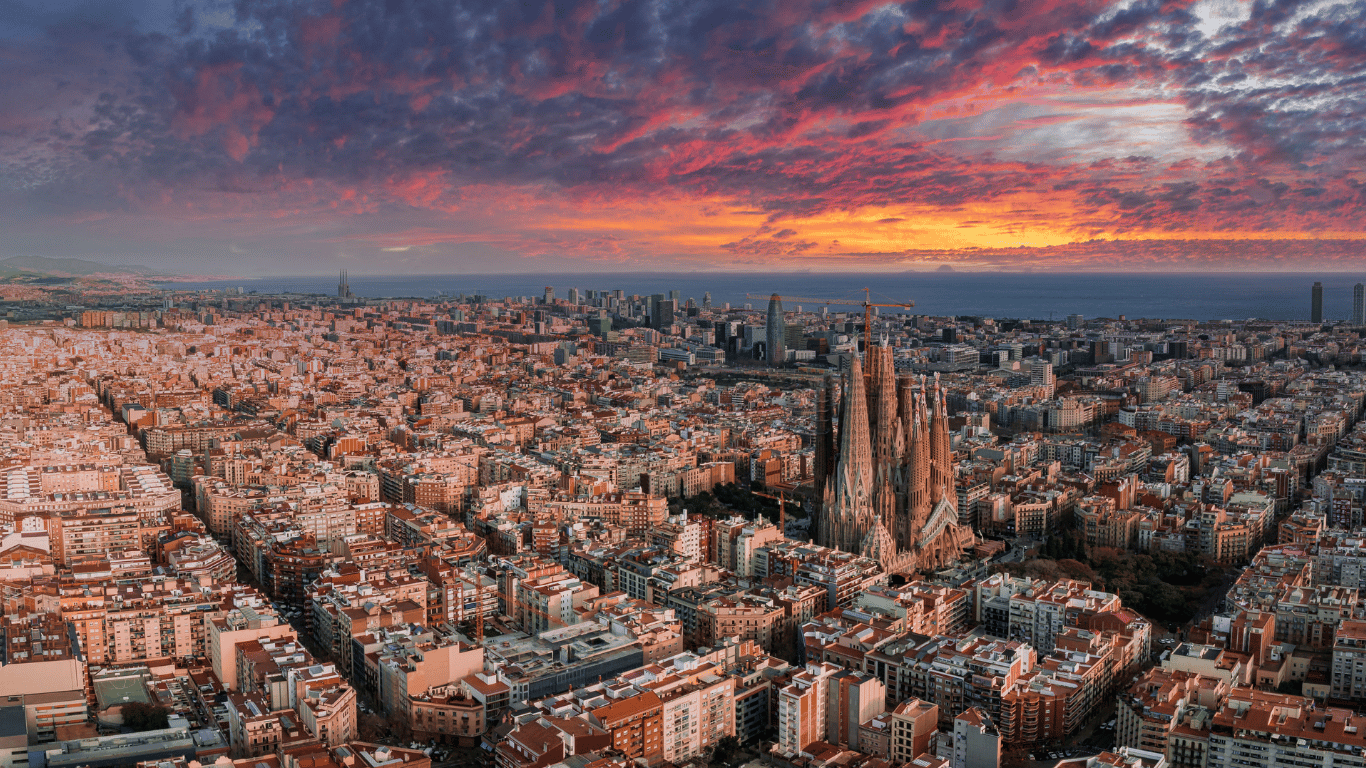
EUROPEAN WONDERS
Barcelona, Girona, Chambéry, Geneva, Leysin, Zurich, Milan, Rome, and much more!
9 Days / 8 Nights
English
Customize it!
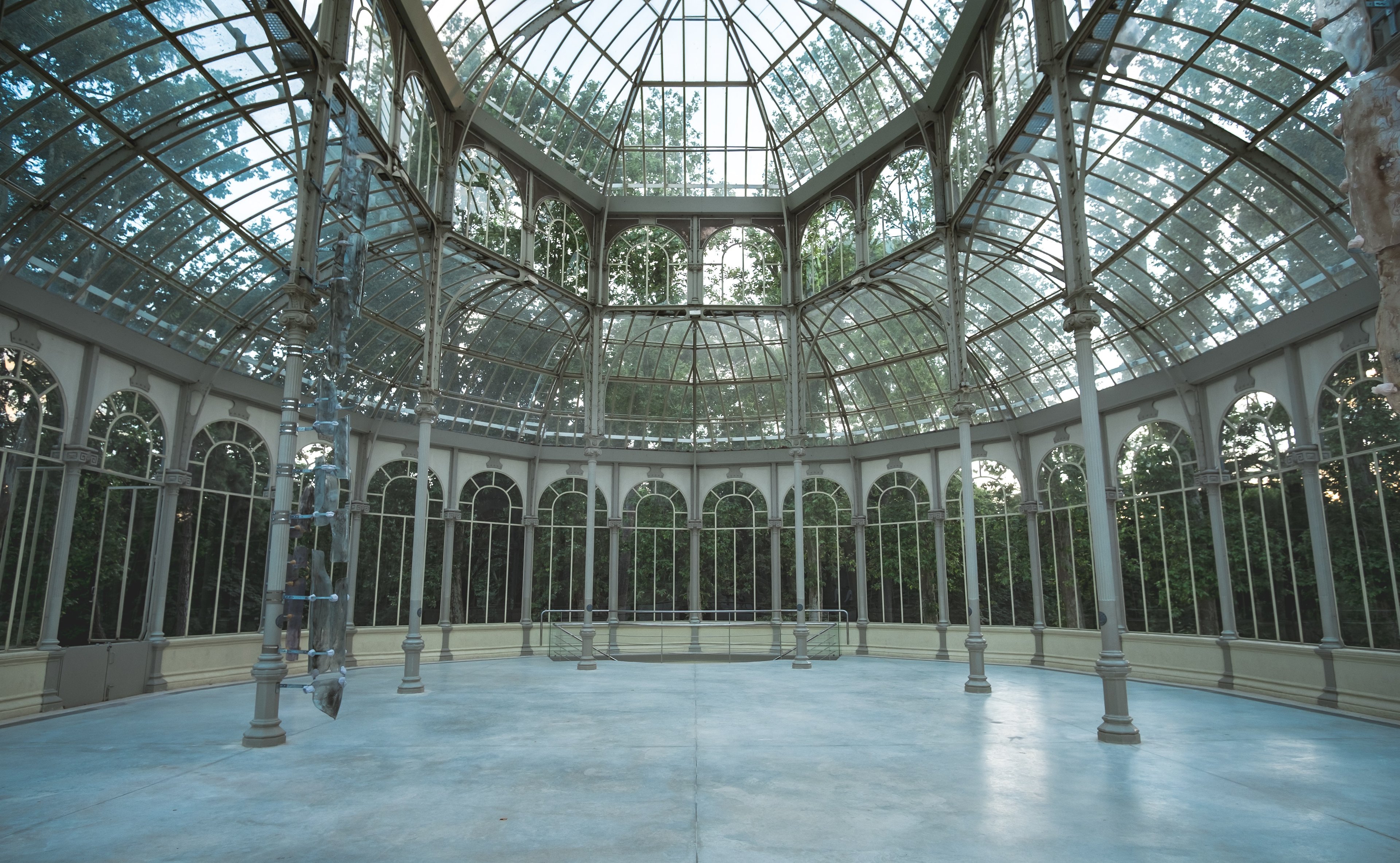
PORTUGAL AND ANDALUSIA FROM MADRID
Madrid, Porto, Lisbon, Fatima, Cordoba, Seville, Granada & much more!
13 Days / 12 Nights
English
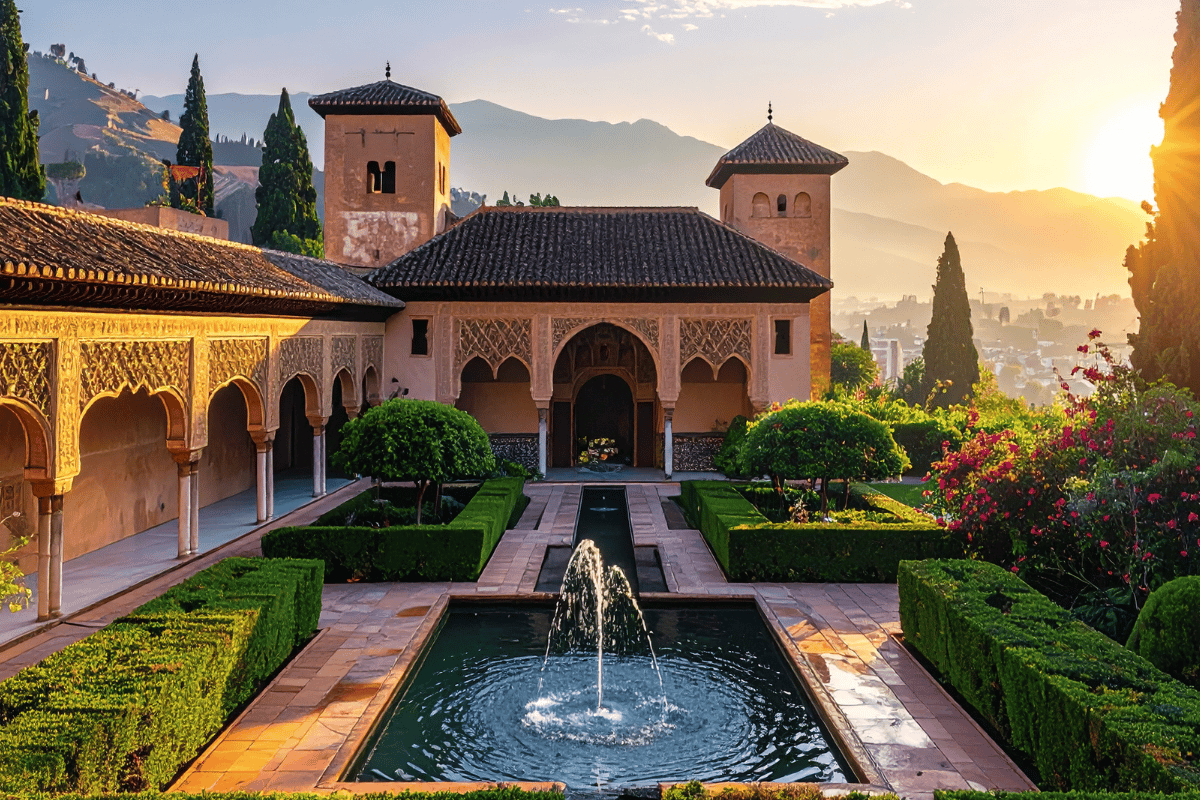
Customize it!
TREASURES OF SPAIN & COSTA DEL SOL 2027
Madrid, Cordoba, Seville, Costa del Sol, Granada & much more!
9 Days / 8 Nights
English
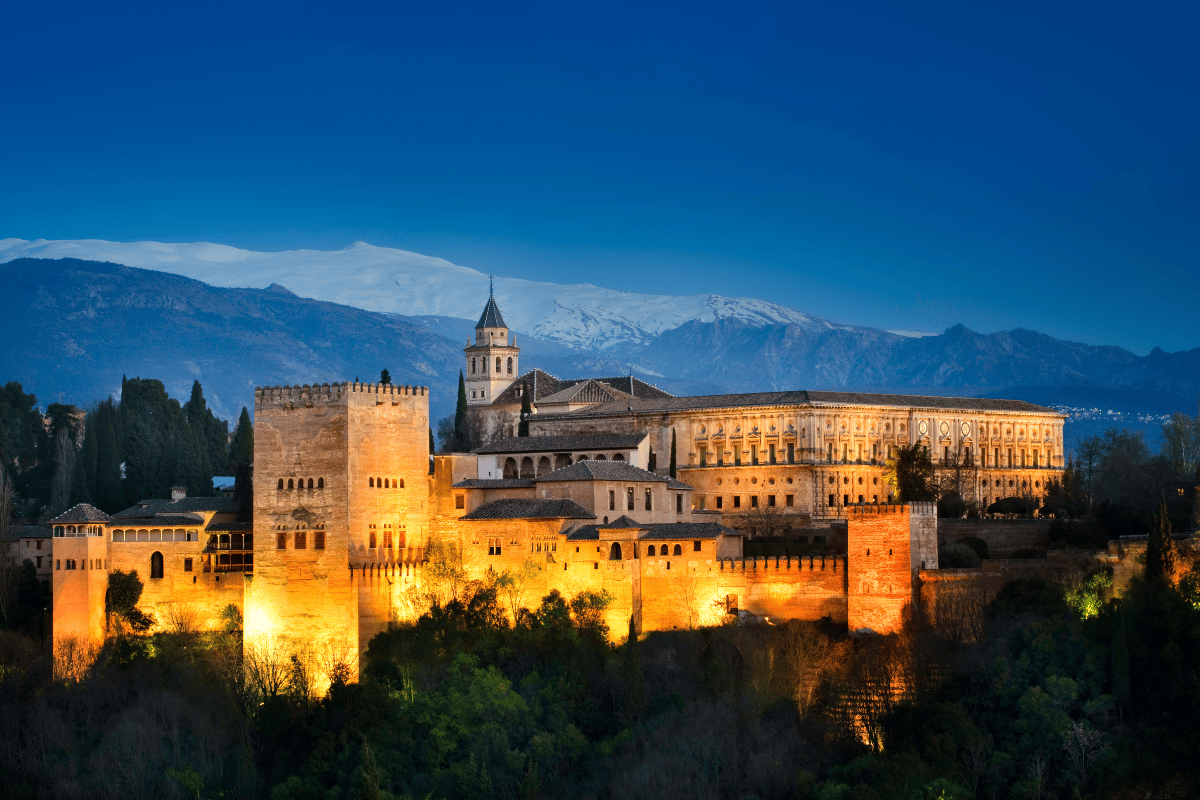
Customize it!
TREASURES OF SPAIN & EGYPT 2027
Madrid, Cordoba, Seville, Cairo, Luxor, Aswan, Abu Simbel and more!
17 Days / 16 Nights
English
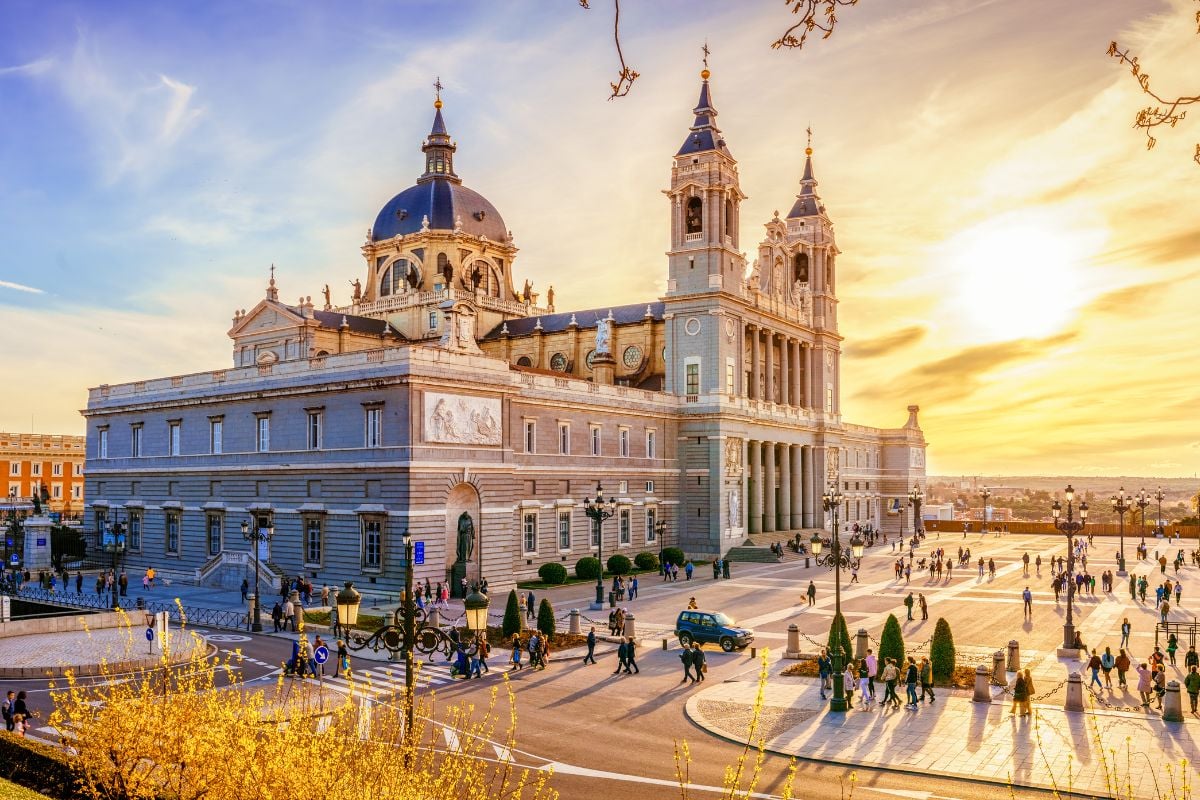
Customize it!
IBERIAN HIGHLIGHTS
Lisbon, Cáceres, Madrid, Zaragoza, Poblet, Barcelona, and much more!
7 Days / 6 Nights
English
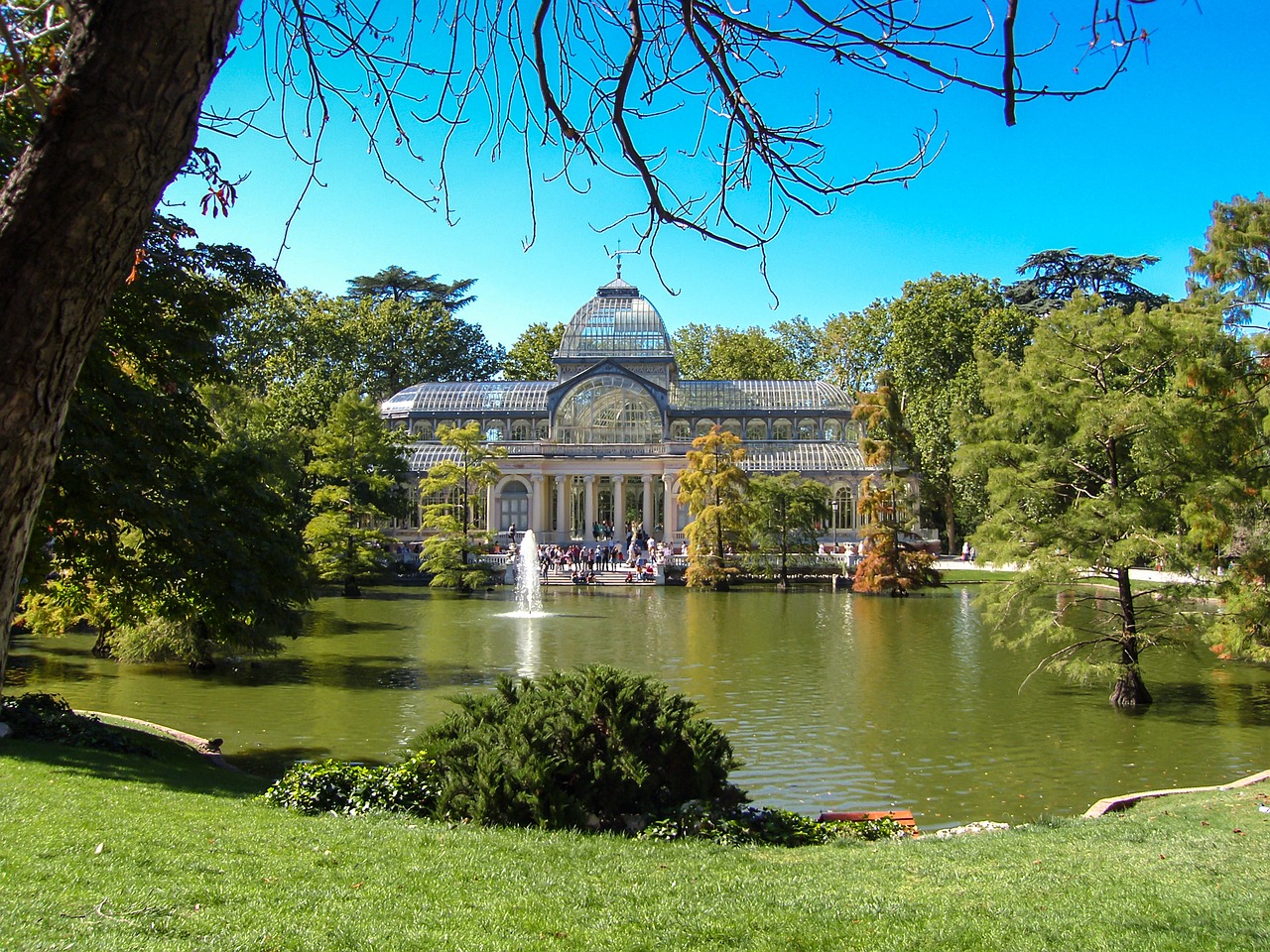
Customize it!
NORTH OF SPAIN AND GALICIA FROM MADRID
Madrid, Zaragoza, Santander, Oviedo, Santiago de Compostela and more
10 Days / 9 Nights
English
Customize your package

Select from our wide variety


Customize it! Choose your hotels!
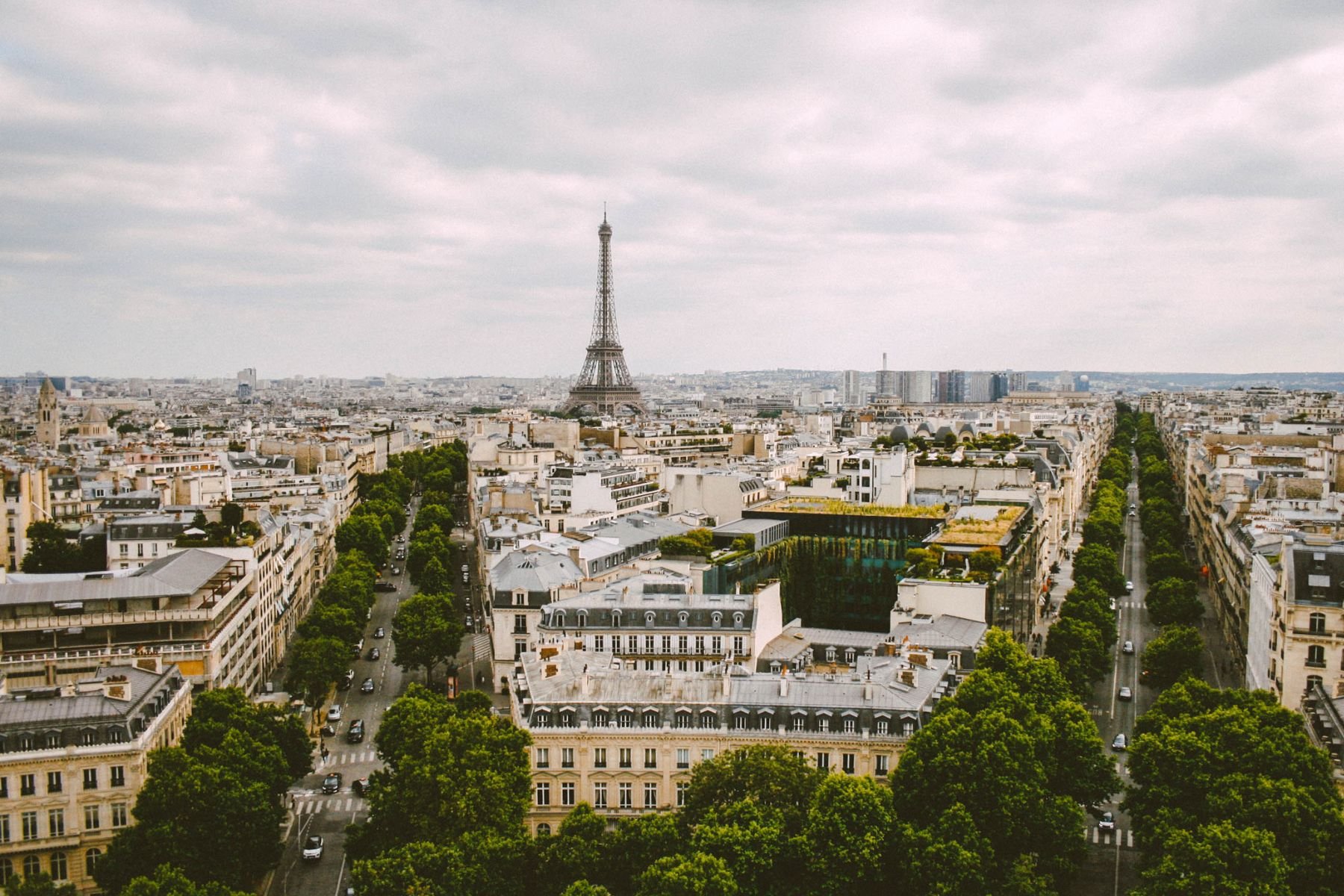
EUROPEAN CAPITALS BY TRAIN
Madrid, Valencia, Barcelona, Paris & London
10 Days / 9 Nights
English
Customize it!
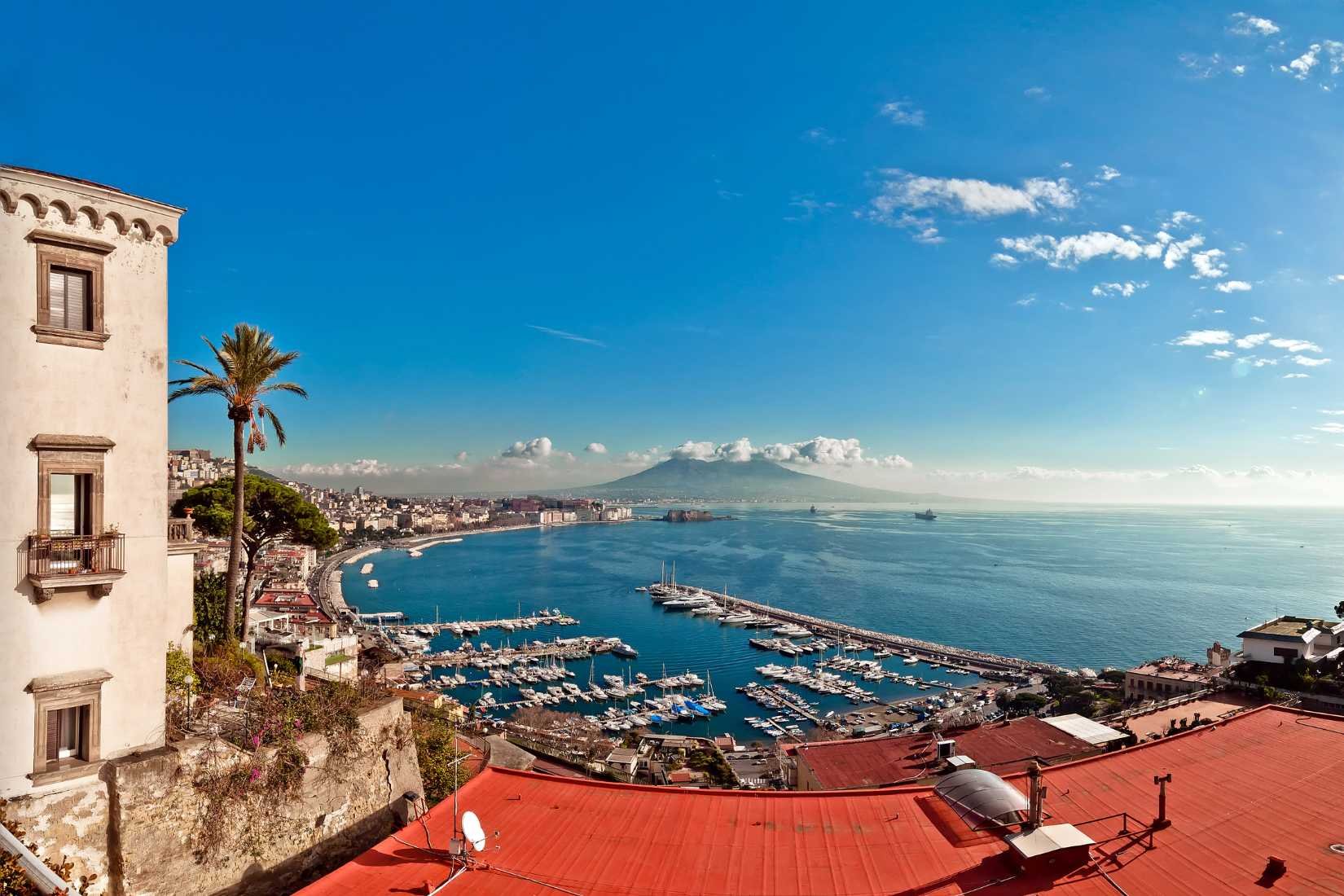
MEDITERRANEAN SPAIN AND ITALY
Visit Madrid, Valencia, Barcelona, Naples and Rome.
11 Days / 10 Nights
English
Customize it! Choose your hotels!
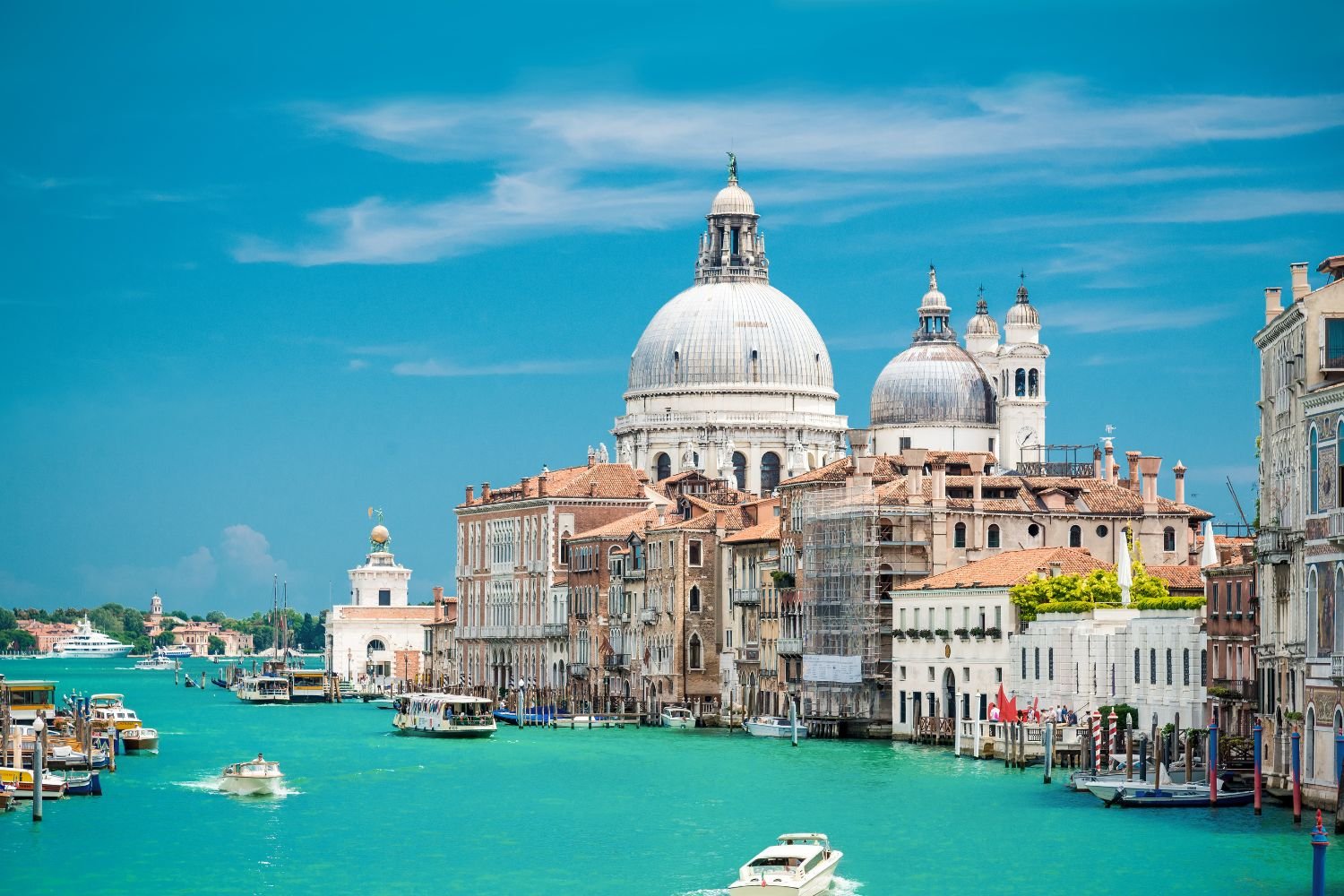
THE ESSENCE OF SPAIN AND ITALY
Visit Madrid, Barcelona, Rome, Florence and Venice
11 Days / 10 Nights
English
Customize it!
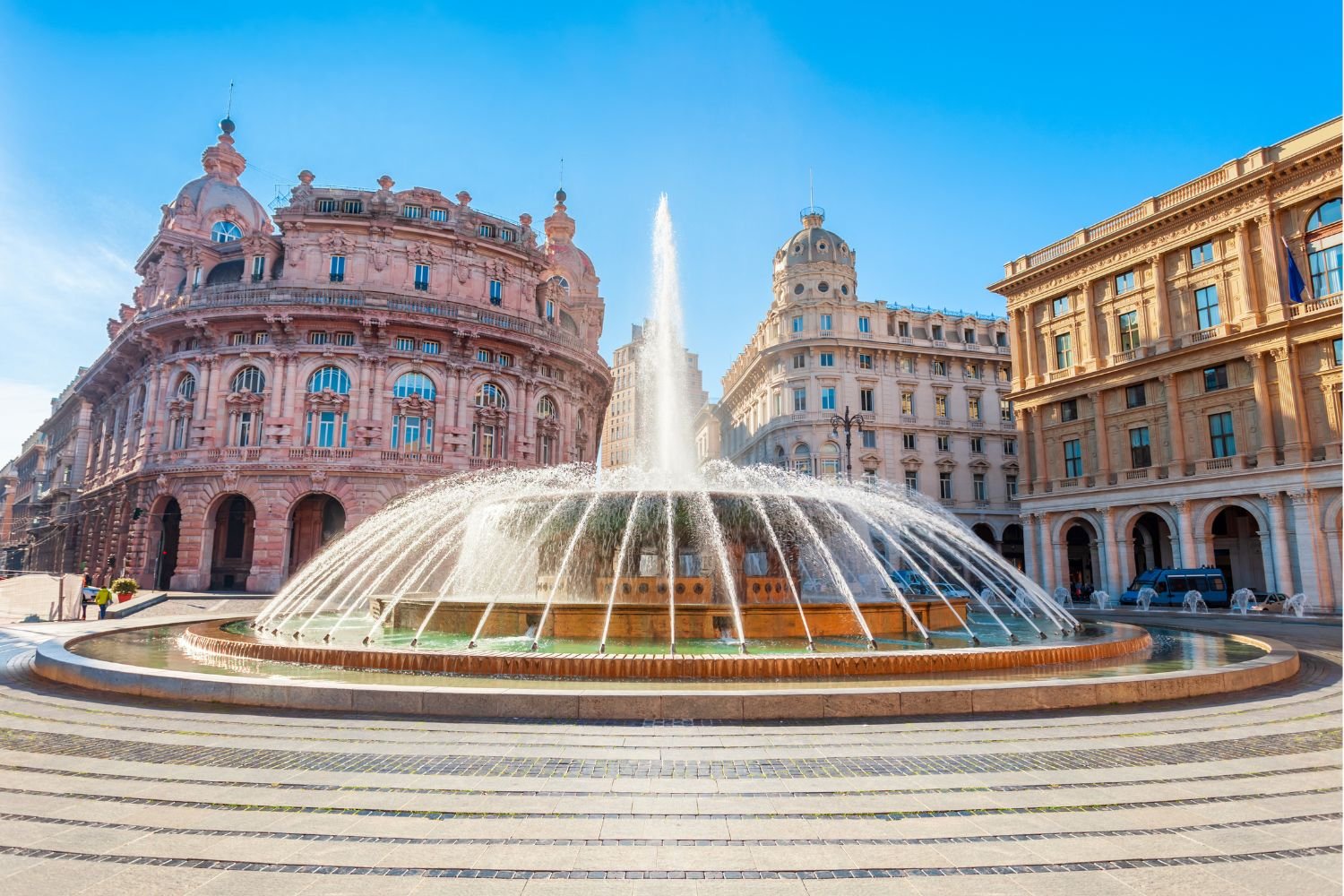
CHRISTOPHER COLUMBUS
Visit Madrid, Barcelona, Rome, Milan and Genoa.
11 Days / 10 Nights
English
Customize it!
TRAJAN
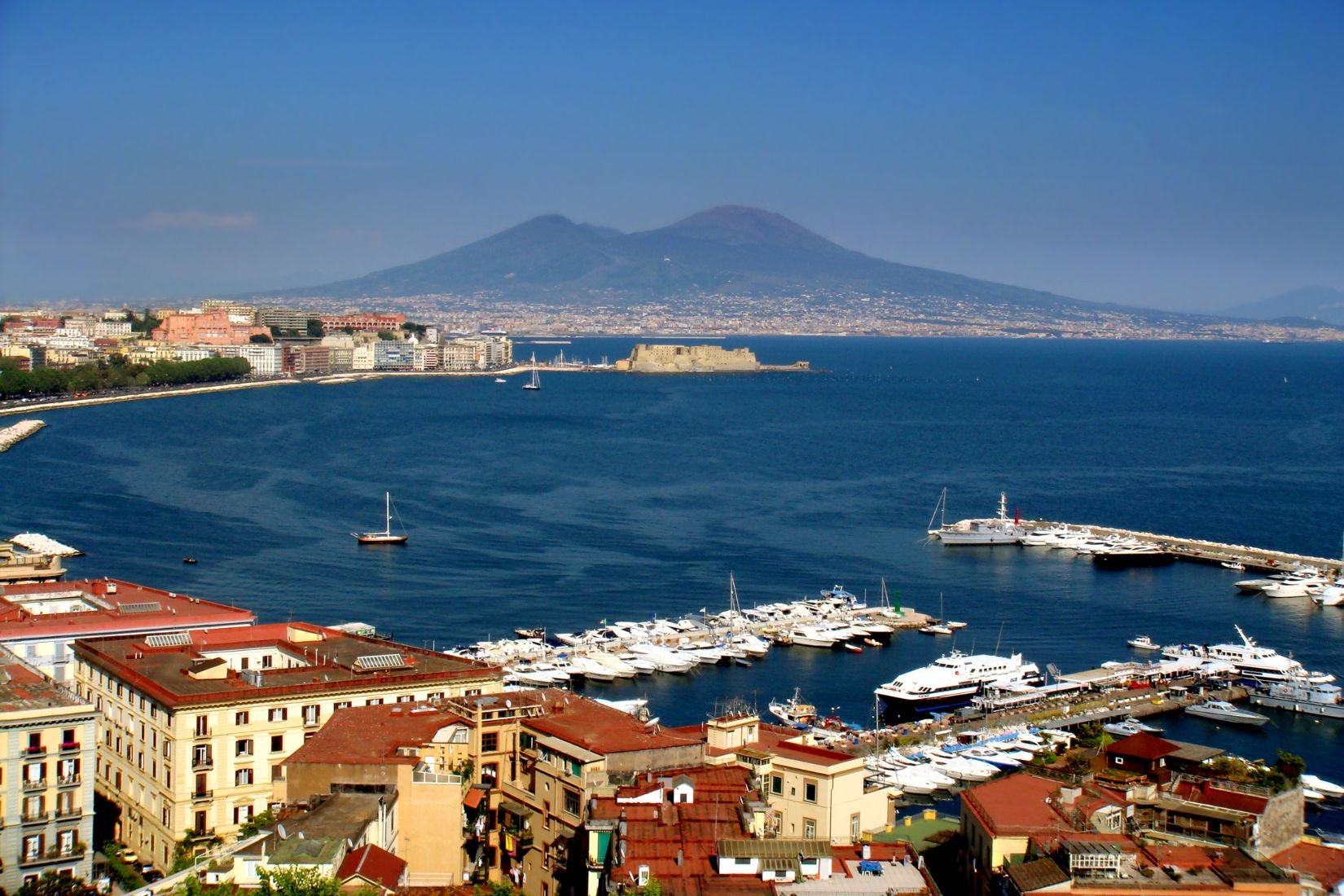
Madrid, Barcelona, Naples and Rome.
10 Days / 9 Nights
English
Customize it! Choose your hotels!
EUROPE BY TRAIN
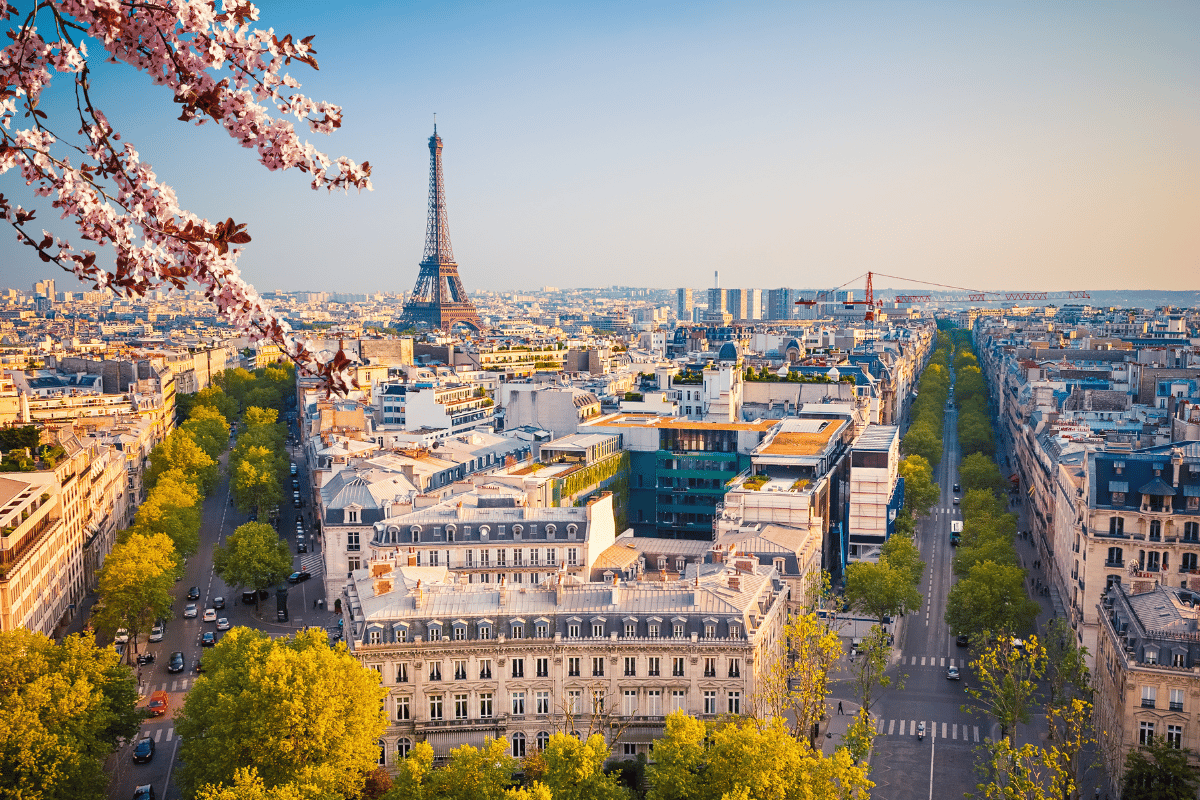
Madrid, Valencia, Barcelona, Paris, Zurich, Milan, Venice, Florence & Rome
17 Days / 16 Nights
English
Customize it!
FROM THE ATLANTIC TO THE SAHARA
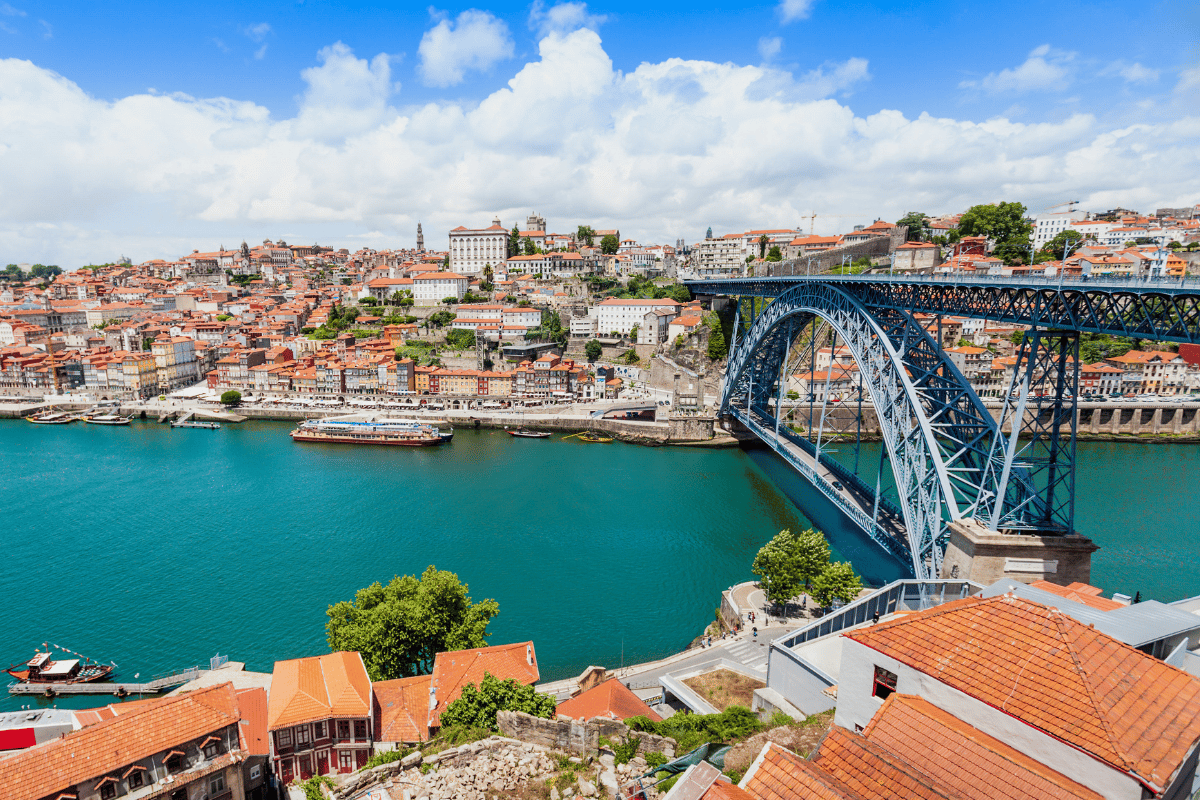
Madrid, Porto, Lisbon, Seville, Granada, Costa del Sol, Fez, Casablanca, Marrakech & much more!
20 Days / 19 Nights
English
Customize it!
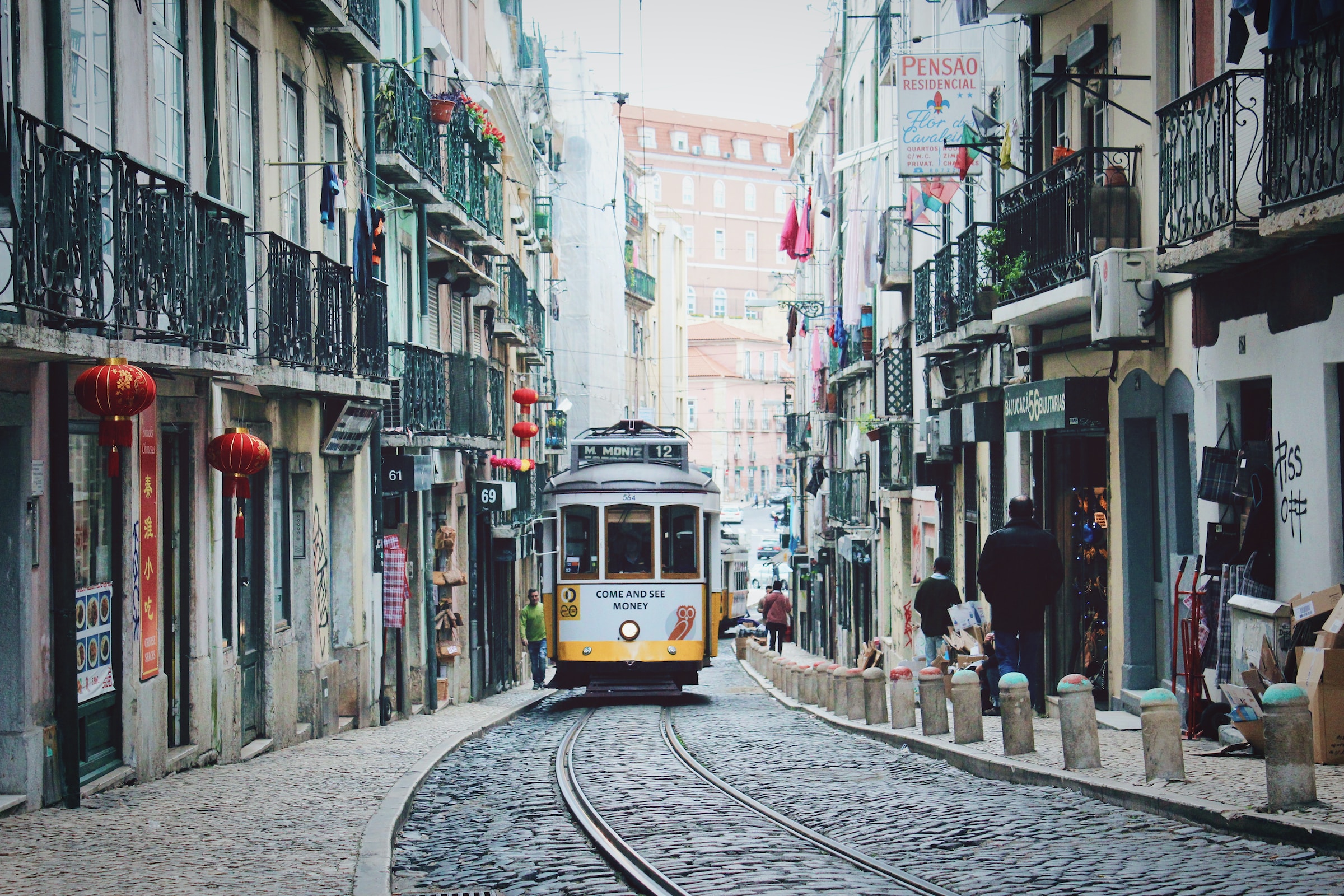
MADRID AND BARCELONA EXPRESS
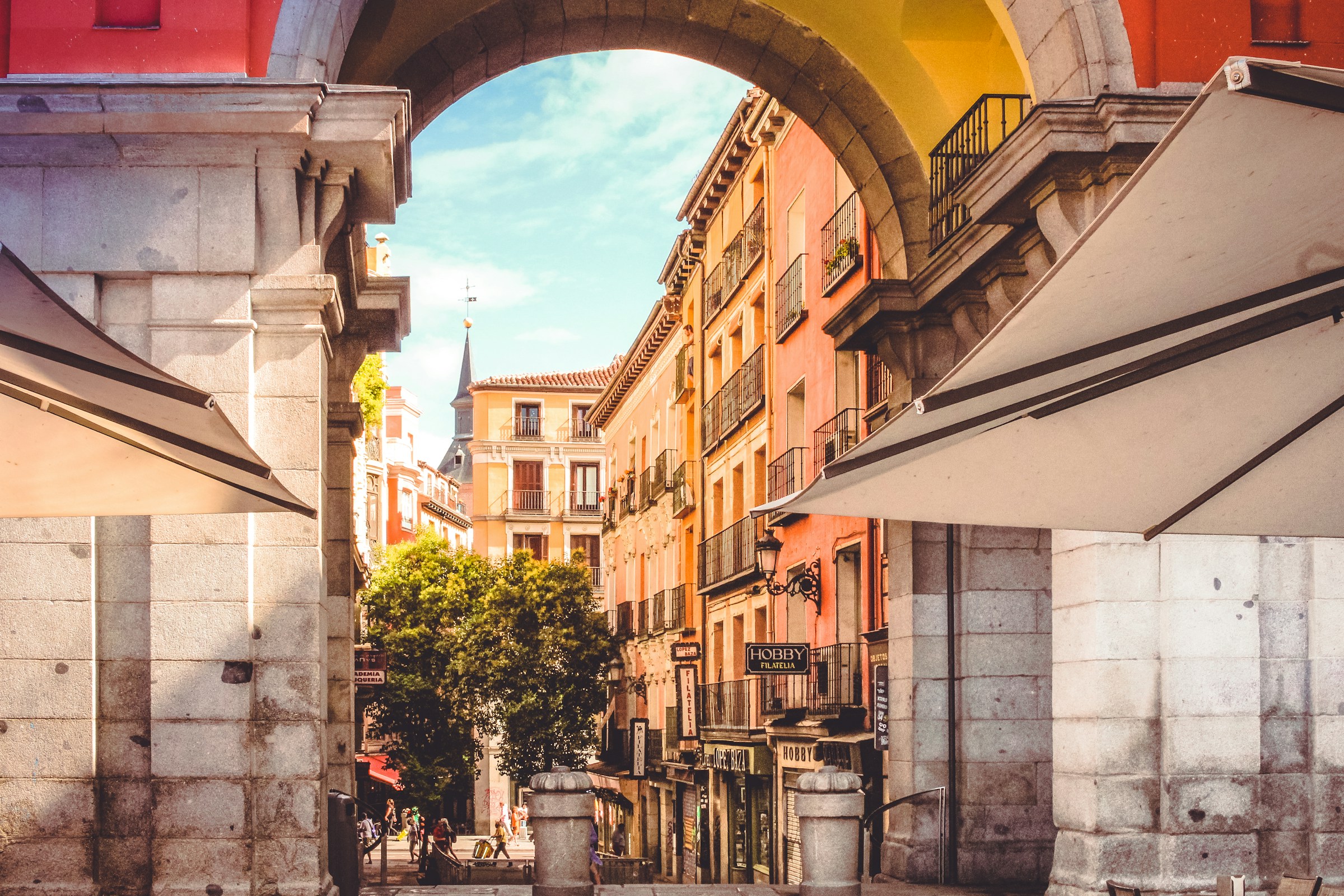
Madrid, Zaragoza, Poblet, Barcelona
6 Days / 5 Nights
English
Customize it!
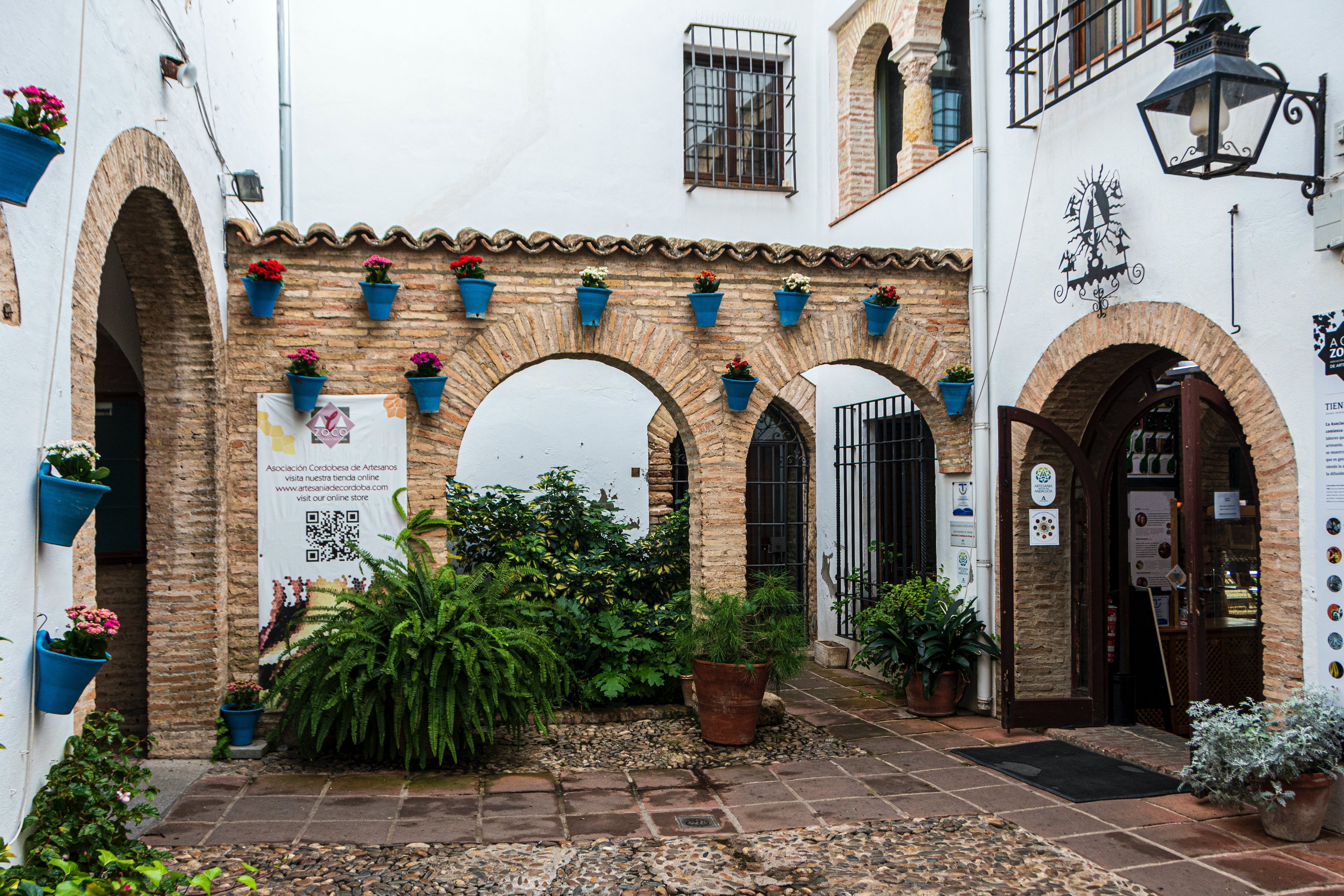
COMPLETE PORTUGAL
Lisbon, Fatima, Coimbra, Porto, Guimaraes, Braga, Douro Valley, Evora, Sao Vicente Cape, Setubal, and much more!
14 Days / 13 Nights
English
Customize it!
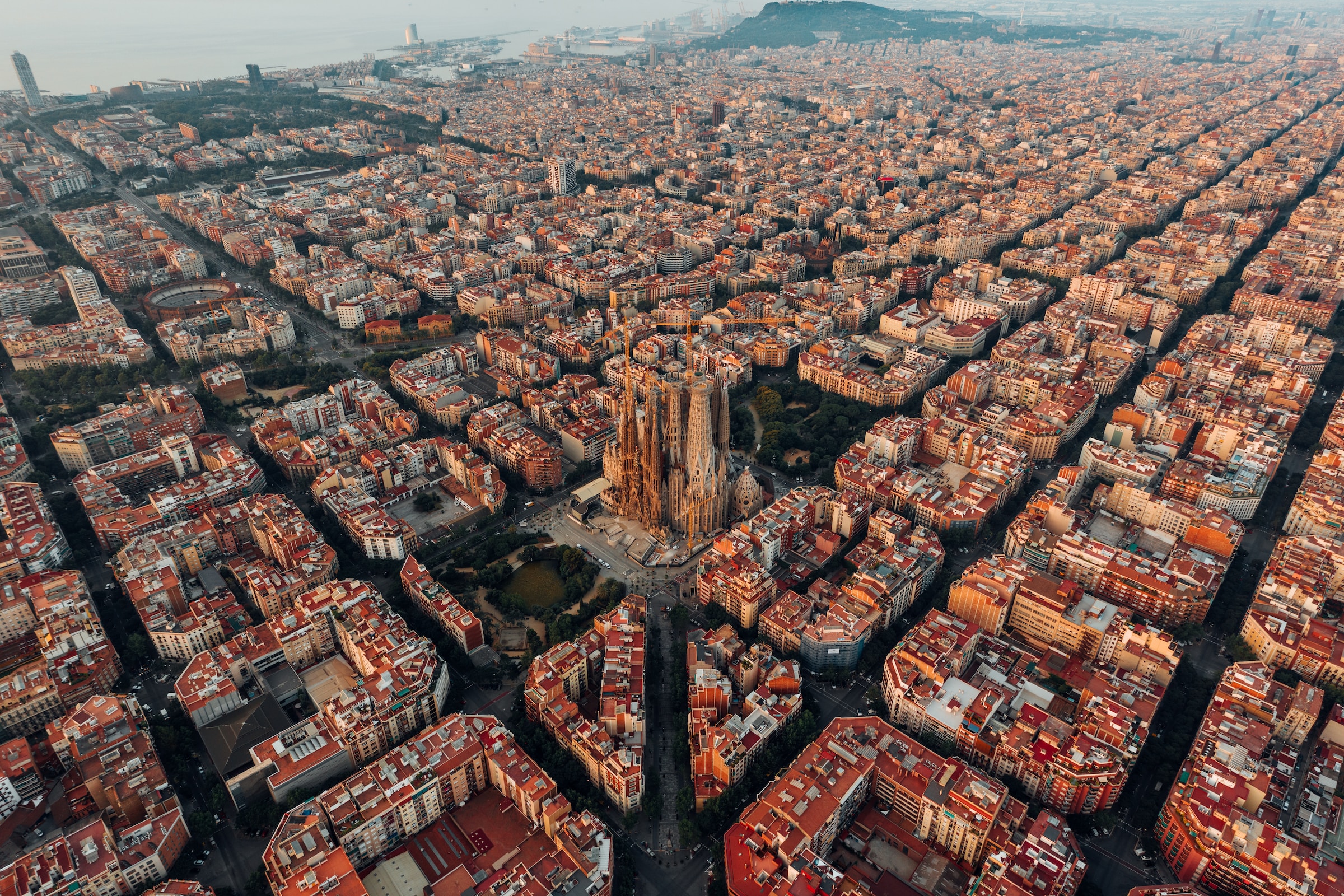
EASTERN SPAIN
Barcelona, Valencia, Madrid, Seville, Cordoba, and Granada
14 Days / 13 Nights
English
Customize it!
FRANCE AND SPAIN BY TRAIN
Paris, Lyon, Montpellier, Barcelona, Valencia, Madrid, and more
13 Days / 12 Nights
English
Customize it!
PICASSO
Paris, Barcelona and Madrid.
12 Days / 11 Nights
English
Santiago de Compostela, the cultural jewel of Galicia, is an iconic destination for pilgrims and history lovers alike. Its cobbled streets breathe an atmosphere of centuries of tradition and devotion, while its monuments tell ancient stories that have left an indelible mark on the region. From the majesty of the Cathedral of Santiago to the archaeological remains that lie beneath the surface, every corner of this city contains a cultural treasure worth exploring.
The Camino de Santiago: A Millennial Route
The Camino de Santiago, a network of pilgrimage routes that converge in the city, has been a vital component of the culture of Santiago de Compostela since the Middle Ages. This sacred itinerary, which extends throughout Europe, takes pilgrims to the tomb of the Apostle Saint James in the cathedral, a destination that has attracted believers and the curious for centuries. Along the way, travelers encounter a rich diversity of landscapes, picturesque towns, and hospitality that has endured over time.
The Cathedral of Santiago: Architectural and Religious Treasure
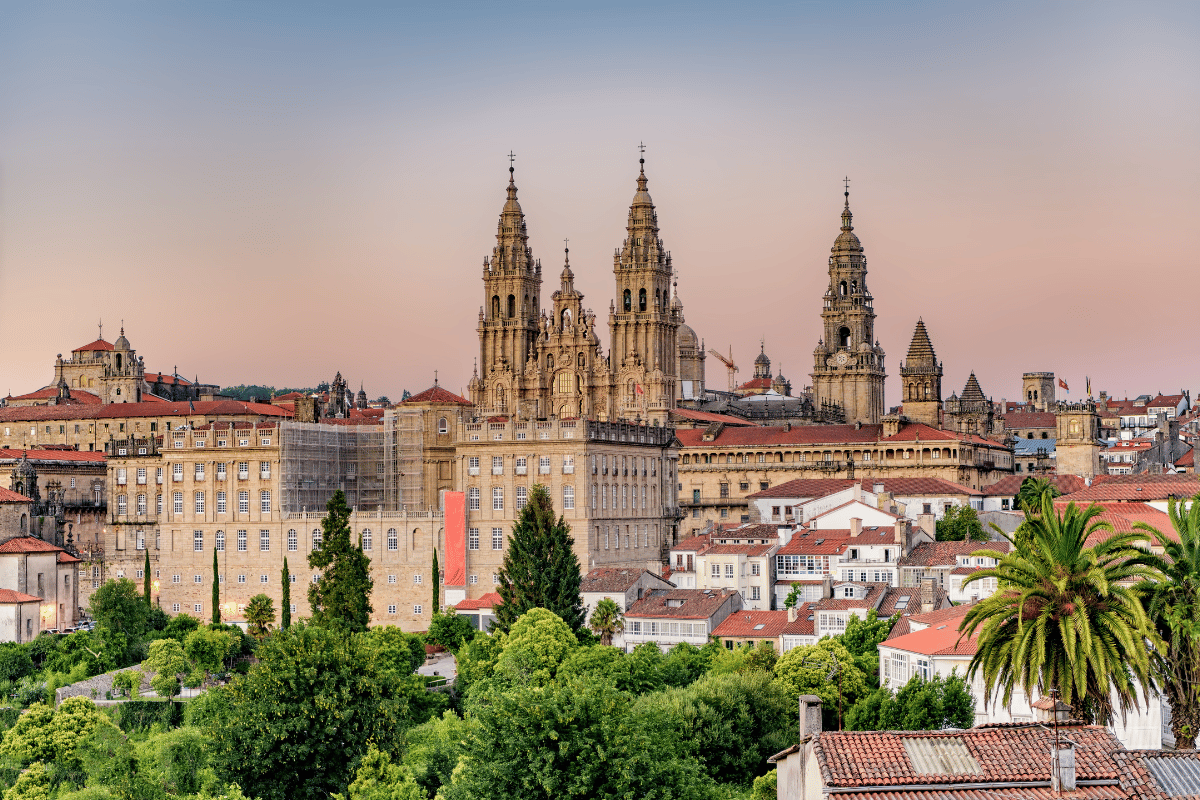
In the heart of the city stands the imposing Cathedral of Santiago, a Gothic monument that represents the pinnacle of sacred art in Spain. Built on an ancient Roman temple, this architectural masterpiece houses the crypt believed to contain the remains of the Apostle James. Its façade, adorned with sculptures narrating biblical passages and celestial figures, captivates visitors from afar, while its interior brims with chapels, altarpieces, and relics that tell the story of faith and devotion of centuries past.
Art and Hidden Treasures: The Museums of Santiago
For those wishing to immerse themselves further in the cultural wealth of Santiago de Compostela, the city's museums offer a fascinating window into the past. The Cathedral Museum displays an impressive collection of sacred art, including altarpieces, sculptures, and liturgical objects dating from different historical periods. The Museum of Pilgrimages and Santiago explores the history of the Camino and its impact on European society over the centuries, while the Museo do Pobo Galego offers an in-depth look at Galician culture and traditions.
Underground Archaeology: Discovering the Buried Past
Under the cobblestone streets of Santiago de Compostela lie archaeological remains that shed light on the city's ancient history. Recent excavations have revealed remains of Roman settlements, including mosaics, public baths, and sewage systems that testify to the Roman presence in the region. In addition, vestiges from the Middle Ages have been found, such as the foundations of ancient churches and fortifications, which bear witness to the urban development of Santiago over the centuries.
Preserving Heritage: Challenges and Opportunities
While Santiago de Compostela is proud of its vast cultural heritage, it also faces challenges in terms of its preservation and conservation. Mass tourism, while vital to the local economy, can put pressure on historical monuments and archaeological sites. It is essential to find a balance between promoting tourism and protecting cultural heritage to ensure that future generations can enjoy the city's rich history. Dare to explore Santiago de Compostela with Greca and advocate for responsible tourism!