 215 215 9814
Cultural & Archaeological Packages in Jerash
Customize it!
ESSENTIAL JORDAN
Amman, Dead Sea, Petra, Wadi Rum, Aqaba, and much more!
8 Days / 7 Nights
English
Customize it!
ROUTE ISRAEL TO JORDAN
Tel Aviv, Jerusalem, Dead Sea, Petra, Wadi Rum, and much more!
14 Days / 13 Nights
English
Customize it!
TOTAL JORDAN
Amman, Madaba, Petra, Wadi Rum, Aqaba, Jerash, Dead Sea and more
8 Days / 7 Nights
English
Customize it!
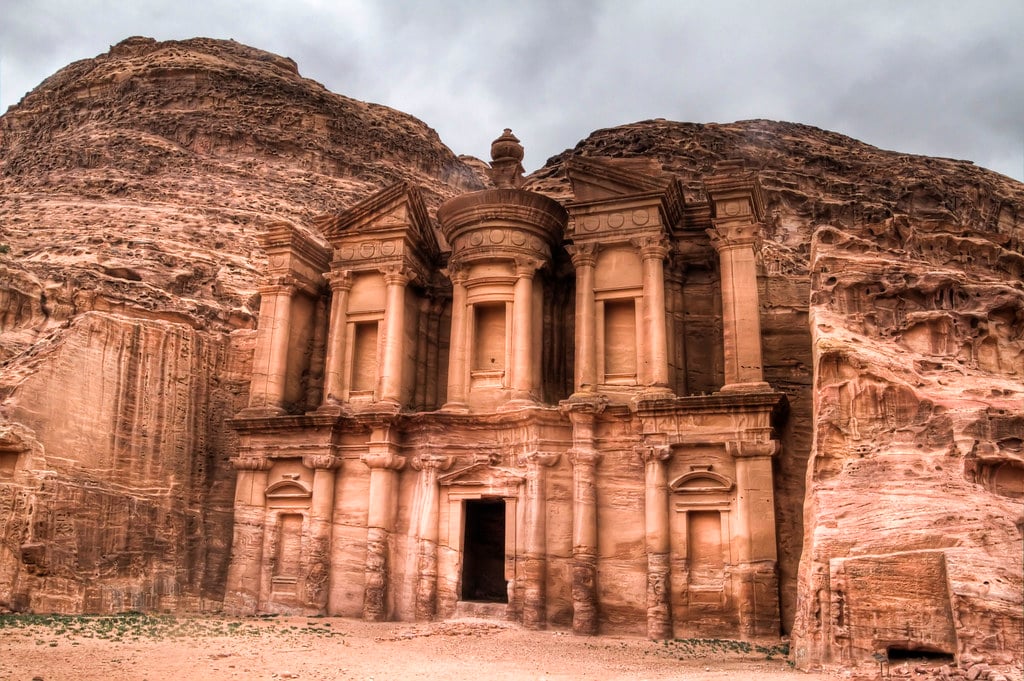
JORDAN EXPRESS
Amman, Madaba, Mount Nebo, Petra, Jerash, and more
5 Days / 4 Nights
English
Customize it!
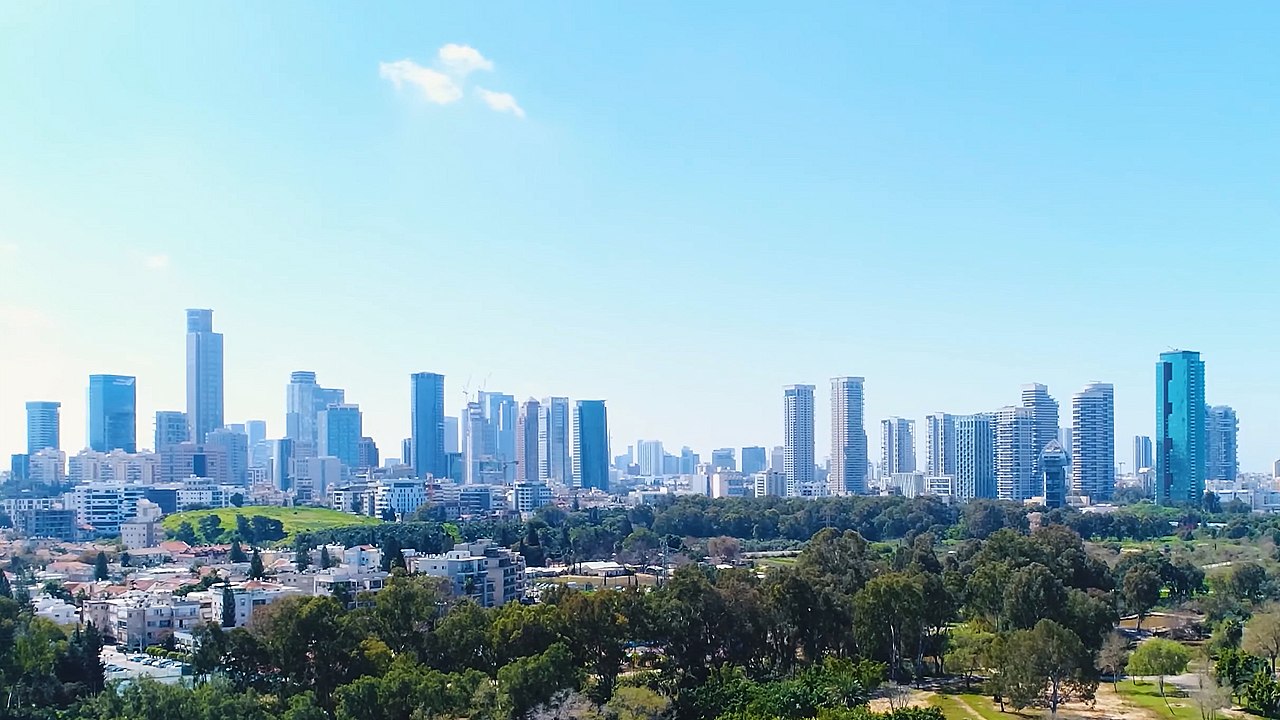
GREAT JORDAN
Amman, Madaba, Mount Nebo, Shawbak, Petra, Wadi Rum, Aqaba, Jerash, Dead Sea and more
6 Days / 5 Nights
English
Customize it!
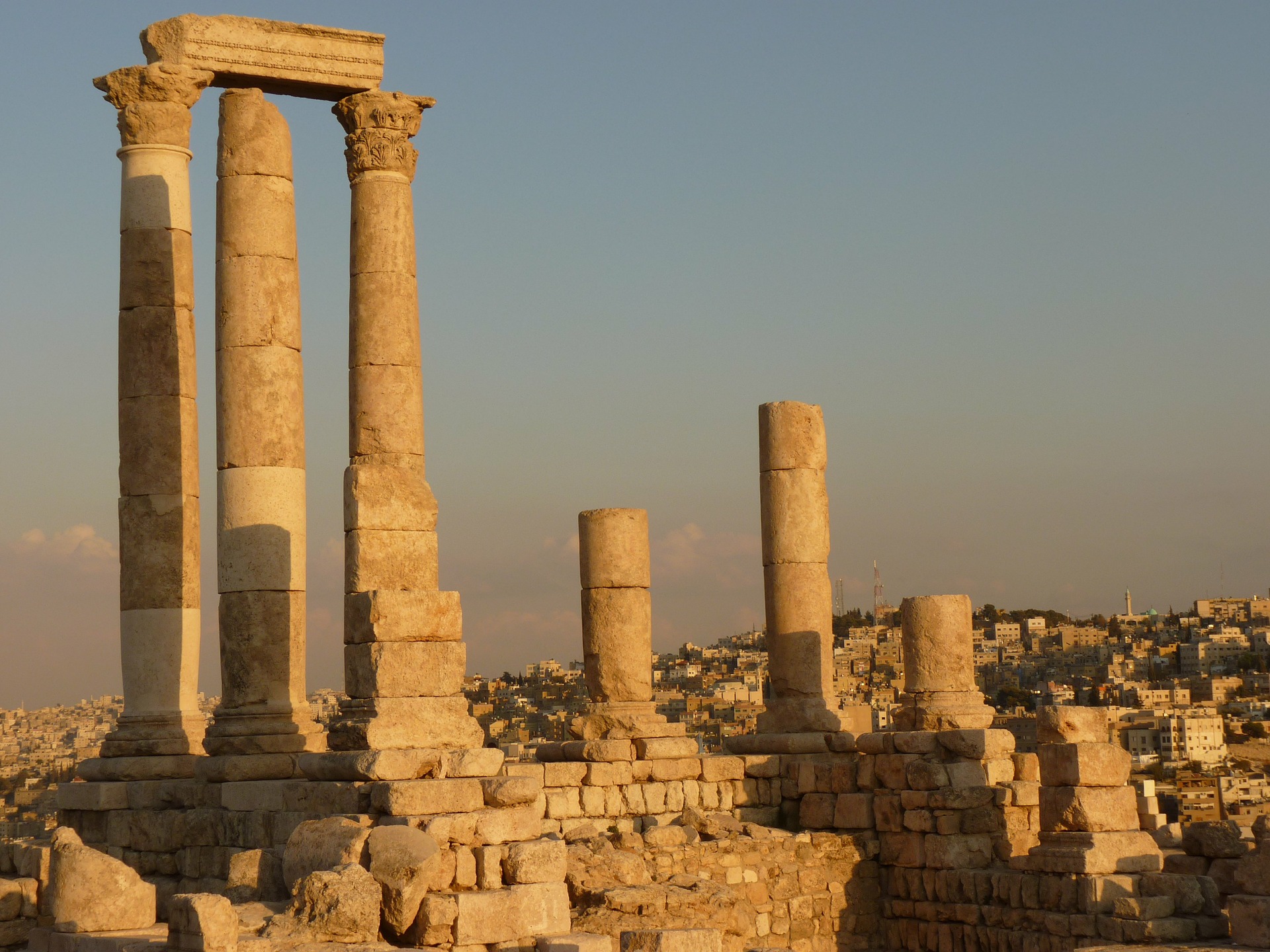
HOLY CITIES & JORDAN
Tel Aviv, Galilee, Jerusalem, Caesarea, Nazareth, the Mount of Olives, and more.
10 Days / 9 Nights
English
Customize it!
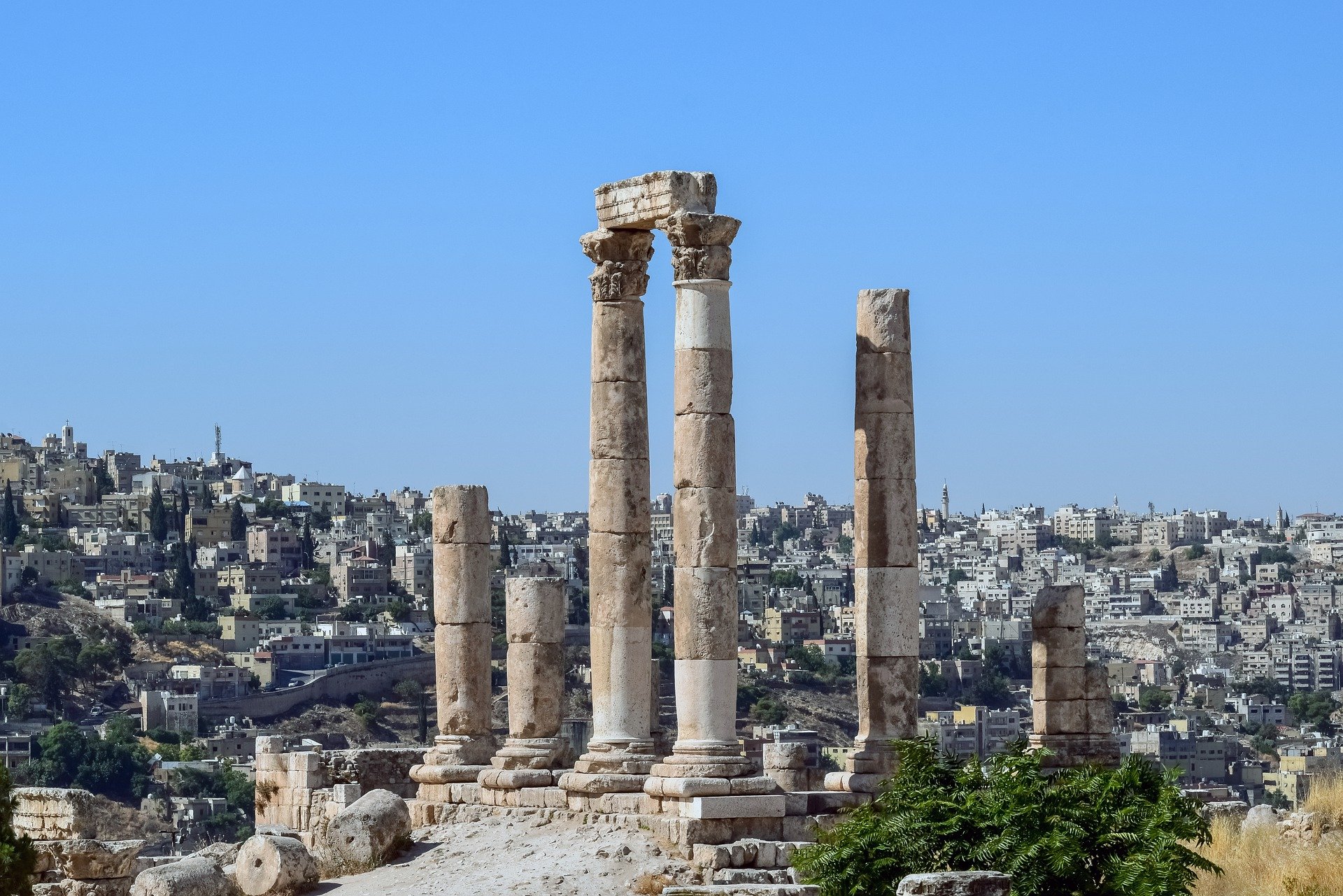
MOSES
Amman, Jerash, Ajloun, Dead Sea, Madaba, Mount Nebo, Petra Wadi Rum, Aqaba and much more
8 Days / 7 Nights
English
Customize it!
JORDAN, WADI RUM & DEAD SEA CLASSIC TOUR
Amman, Jerash, Ajloun, Dead Sea, Madaba, Mount Nebo, Petra, Wadi Rum and much more
8 Days / 7 Nights
English
Customize your package

Select from our wide variety


Customize it!
CLASSICAL JORDAN & WADI RUM
Amman, Jerash, Ajloun, Dead Sea, Madaba, Mount Nebo, Petra, Wadi Rum and much more
8 Days / 7 Nights
English
Customize it!
JORDAN CLASSIC CIRCUIT
Amman, Jerash, Ajloun, Dead Sea, Madaba, Mount Nebo, Petra Wadi Rum, Aqaba and much more
7 Days / 6 Nights
English
Jerash is one of the best-preserved Roman cities outside of Italy and an essential destination for lovers of history and archaeology. Located in northern Jordan, Gerash offers a unique window into the splendor of the Roman Empire and the rich history that has shaped the region over the centuries. If you are interested in diving into the past, the ancient city of Gerash is a place not to be missed.
The First Settlements and the Founding of Jerash
The Jerash region has been inhabited since the Neolithic period, but the city itself was founded by Alexander the Great or his generals in the 4th century BC. However, the city began to prosper significantly under Roman rule beginning in the 1st century BC. Jerash became one of the main cities of the Decapolis, a confederation of ten cities that were cultural and commercial centers in the Middle East. Jerash's strategic location, in a fertile basin surrounded by hills, facilitated its development as a prosperous trading center. Its wealth was reflected in the construction of impressive monuments and advanced infrastructure that still amazes visitors today.
The Golden Age: Jerash in the Roman Empire
Jerash reached its peak during the 2nd and 3rd centuries AD, under Roman rule. The city developed with sophisticated urban planning and monumental architecture. Among the most notable monuments of Jerash are Hadrian's Arch, the Hippodrome, the Oval Forum, and the north and south theaters. Hadrian's Arch, built in 129 AD to commemorate the visit of Emperor Hadrian, is one of the monumental entrances to the city. This triumphal arch, with its intricate decoration, is a testament to the importance that Jerash had in the Roman Empire. The Hippodrome, with a capacity of 15,000 spectators, was the city's entertainment center, where chariot races and other public events were held. Today, visitors can attend shows that recreate these historical events, offering a unique immersion experience in Roman life.
The Monumental Architecture of Jerash
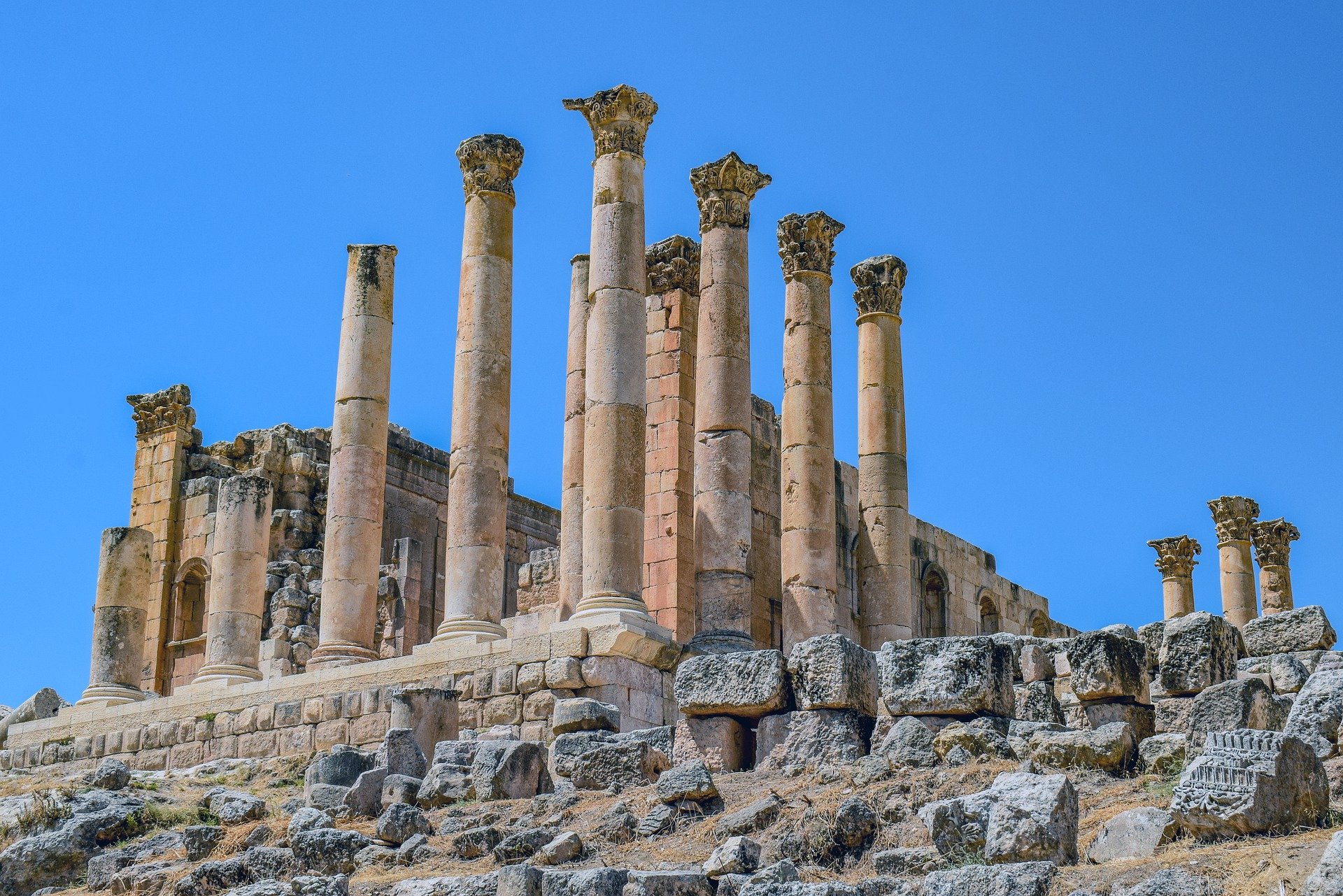
One of the most impressive aspects of Gerash is its monumental architecture. The Oval Forum, an elliptical square surrounded by columns, is one of the most iconic places in the city. This square was the heart of public life, where meetings, markets, and religious ceremonies took place. The Cardo Maximus, the city's main street, is flanked by Corinthian columns and paved with original stone slabs. This 800-meter-long avenue connected the main temples, theaters, and markets, reflecting the advanced urban organization of the city. Among the temples, the Temple of Artemis stands out for its grandeur. Artemis, the patron goddess of Jerash, had a monumental temple with columns more than 13 meters high. The decorative richness and scale of the temple reflect the devotion of the citizens and their economic prosperity.
The Decline and Rediscovery of Jerash
With the arrival of Christianity and the fall of the Roman Empire, Jerash began to decline. However, the city continued to be inhabited during the Byzantine era, when numerous churches with magnificent mosaics were built. The Persian invasion in the 7th century and devastating earthquakes contributed to its progressive abandonment. Jerash remained forgotten until its rediscovery in the 19th century by Western explorers. Archaeological excavations that began in the early 20th century have revealed the magnificence of this ancient city, making it one of the most important archaeological sites in Jordan.
Visit the Jerash Archaeological Museum
For those who wish to delve deeper into the history of Jerash, the Jerash Archaeological Museum is a must-see. The museum houses a vast collection of artifacts discovered in the ancient city, including sculptures, ceramics, coins, and tools dating from the Neolithic period to the Islamic era. Byzantine mosaics, with their intricate designs and vibrant colors, are one of the museum's main attractions. These mosaics, which adorned the churches and residences of the time, offer a glimpse into the life and beliefs of the inhabitants of Jerash during the transition from paganism to Christianity.
Immerse Yourself in Gerash's Past
Gerash is a fascinating destination for anyone interested in history and archaeology. By walking through its ancient streets and admiring its well-preserved monuments, you will be transported to the heyday of the Roman Empire and understand the cultural and economic importance of this city in ancient times. In addition to exploring the ruins, visitors can enjoy cultural events and historical reenactments held at the site. Chariot racing exhibitions at the Hippodrome and theatrical performances at the South Theater provide a unique and immersive experience of ancient Jerash life.
Plan your Visit to Jerash
To make the most of your visit to Jerash, it is advisable to set aside at least a full day to explore its many sites. The best time to visit is in spring and autumn, when the weather is pleasant and allows you to comfortably enjoy outdoor tours.