 215 215 9814
Cultural & Archaeological Packages in Etna
Customize it!
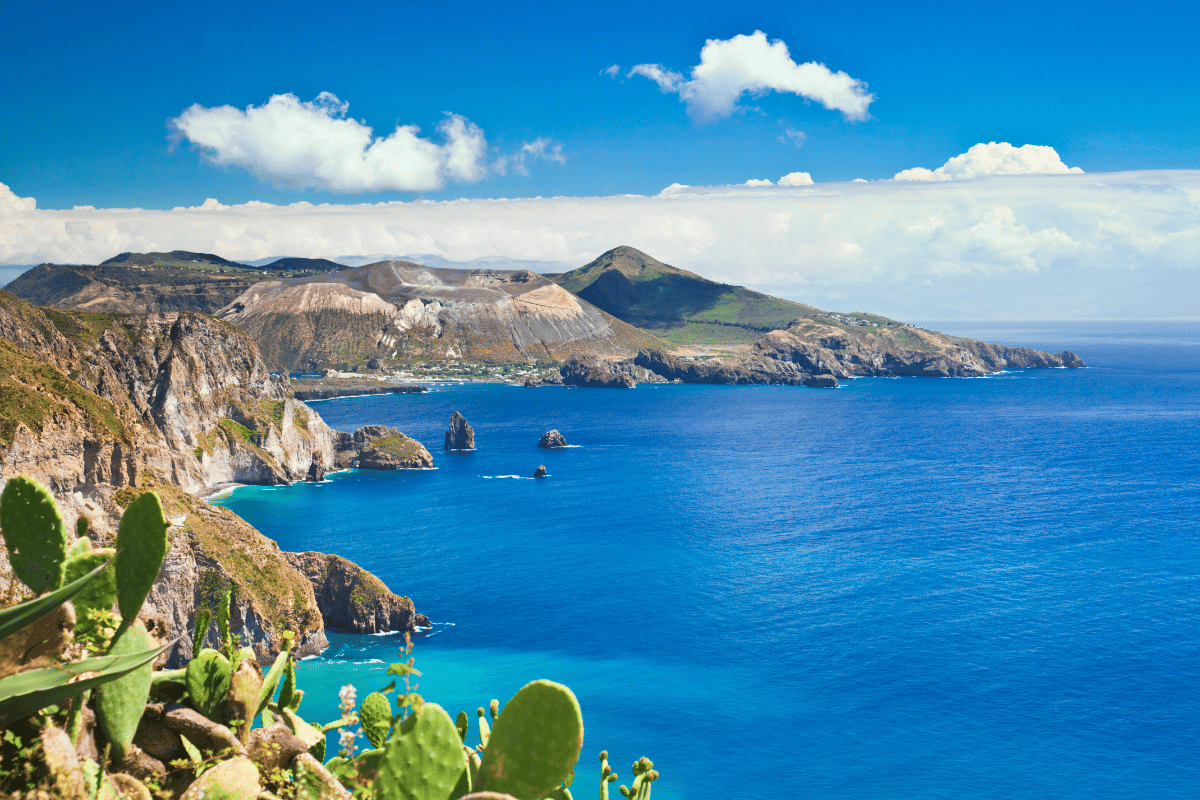
SICILY & AEOLIAN ISLANDS FROM CATANIA
Catania, Palermo, Taormina, Ragusa, Agrigento, Lipari, and much more!
12 Days / 11 Nights
English
Customize it!
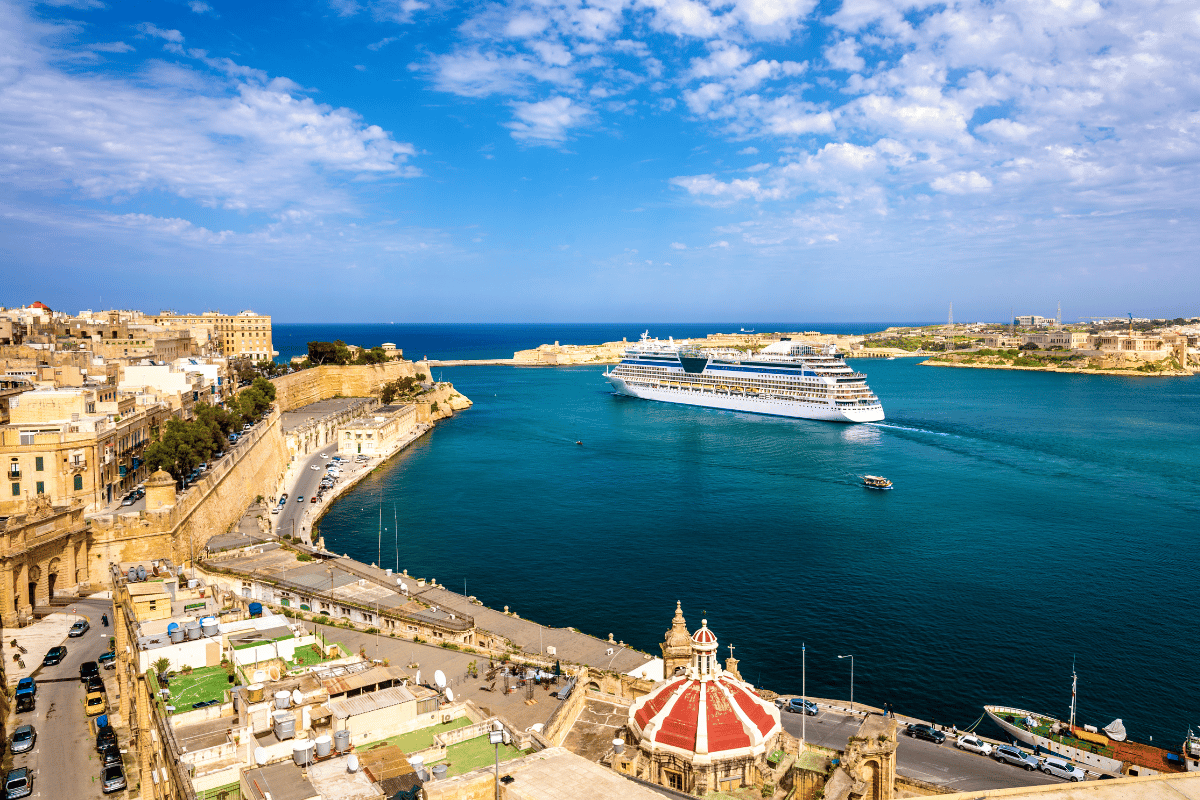
SICILY AND MALTA
Catania, Siracusa, Noto, Marsala, Palermo, Valletta, Mdina & much more!
11 Days / 10 Nights
English
Customize it! Choose your hotels!
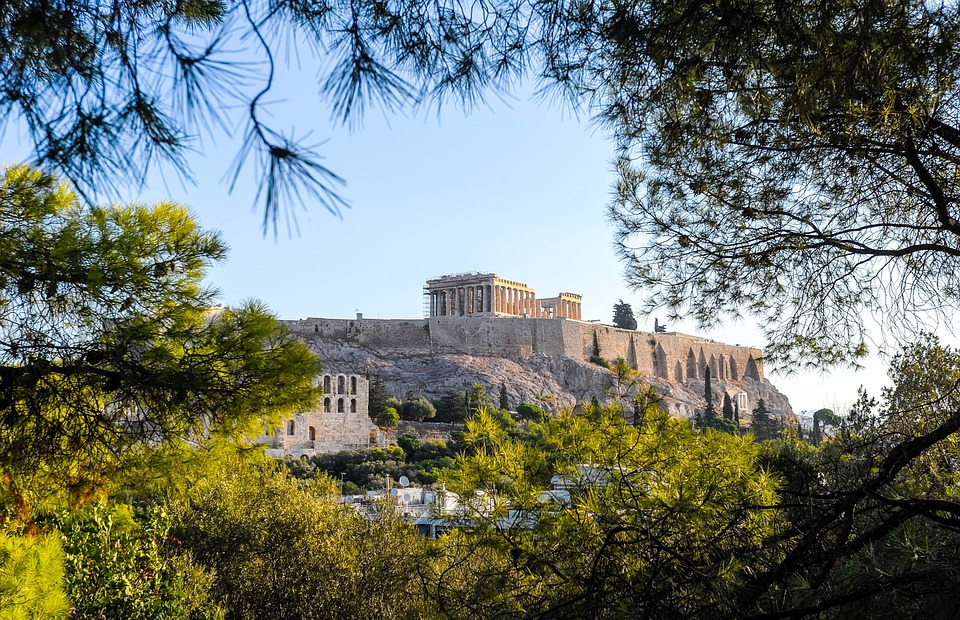
MEDITERRANEAN GREECE AND ITALY
Athens, Mykonos, Santorini, Palermo, Monreale, Erice, Saline della Laguna, Agrigento, Piazza Armerina, Ragusa Ibla, Noto, Syracuse, Taormina
13 Days / 12 Nights
English
Customize it!
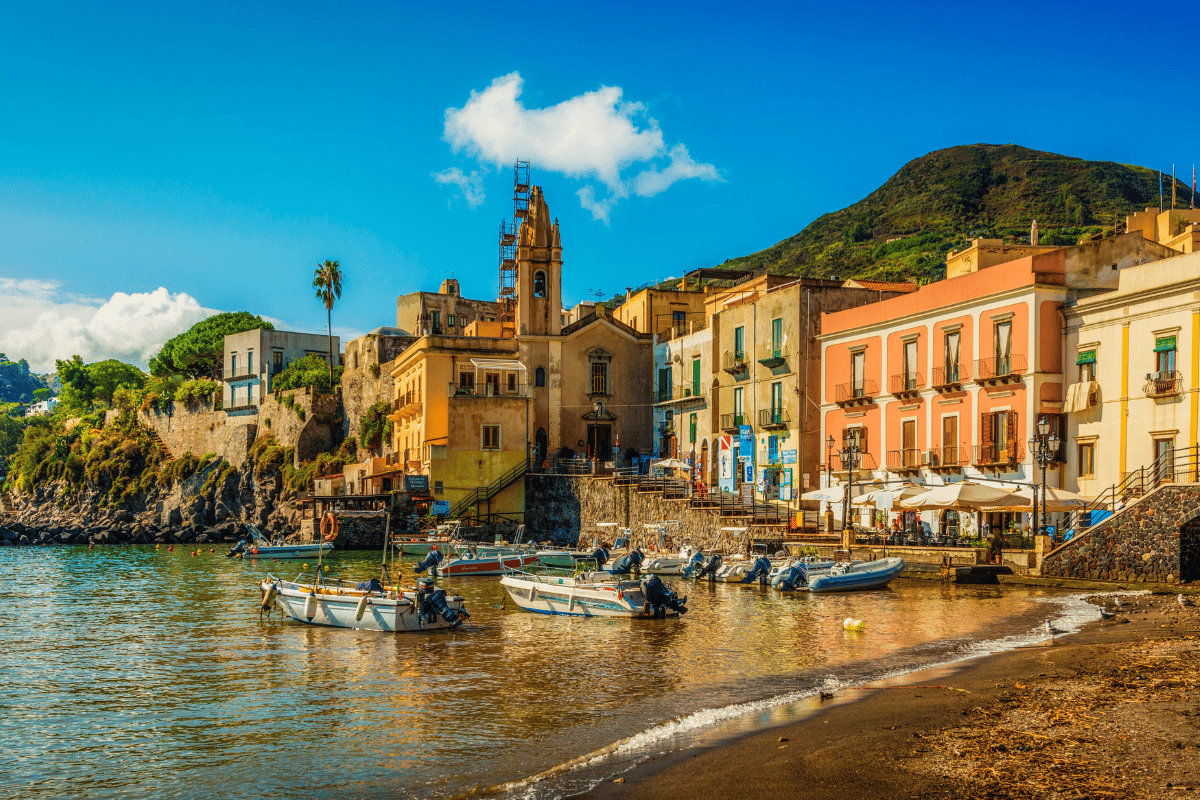
SICILY & AEOLIAN ISLANDS
Palermo, Monreale, Cefalù, Catania, Etna, Taormina, Aeolian Islands and more
9 Days / 8 Nights
English
Customize it!
CERES
Catania, Syracuse, Etna, Palermo, Taormina & much more!
10 Days / 9 Nights
English
Customize it!
POLYPHEMUS
Palermo, Etna, Taormina, Agrigento, Syracuse, Cefalu & much more!
10 Days / 9 Nights
English
Customize it!
LUIS I
Catania, Syracuse, Etna, Marsala, Palermo & much more!
8 Days / 7 Nights
English
Exploring Etna
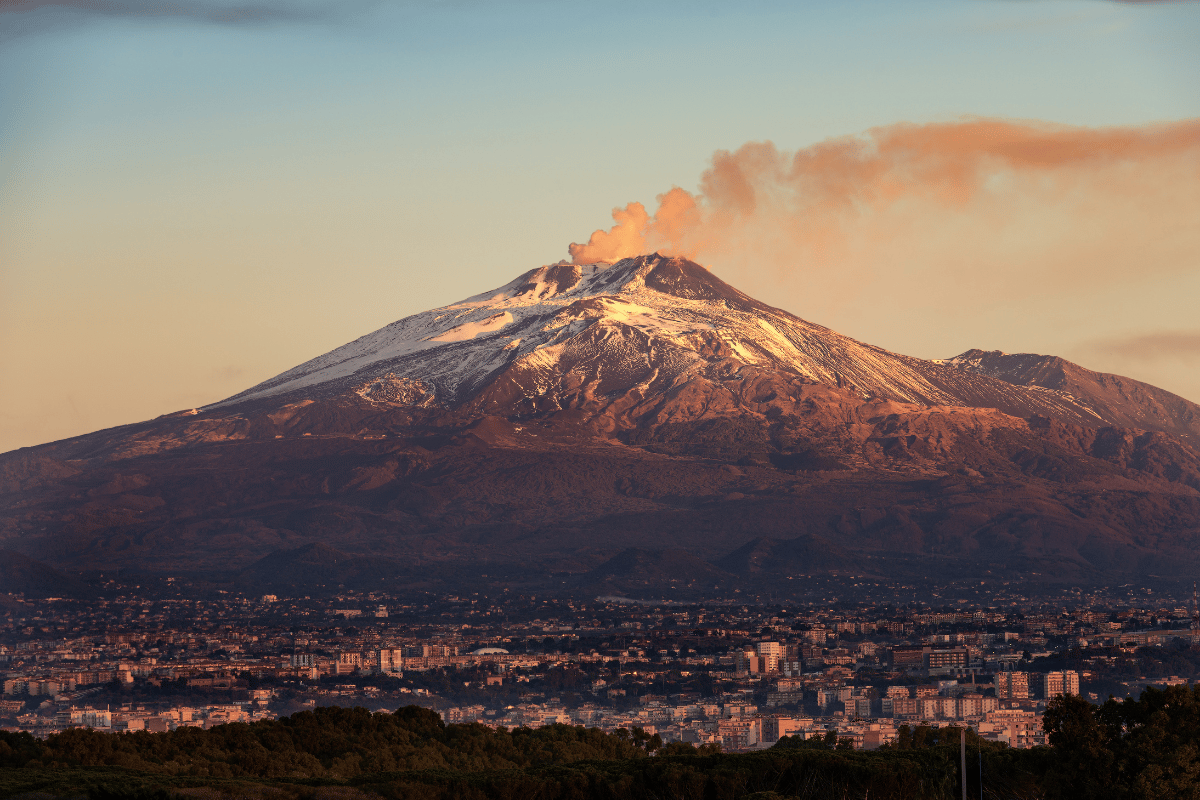
Etna, a majestic volcano located on the Italian island of Sicily, not only stands out for its imposing geological presence but also for the rich cultural and archaeological history that surrounds it. Since ancient times, this active volcano has been a witness and protagonist of ancient civilizations that left a deep mark on the region. Through archaeological excavations and cultural studies, part of the fascinating past of this unique area has been reconstructed.
History and Culture on Etna
The history of Etna is intertwined with that of the peoples who have inhabited Sicily over the millennia. From the first indigenous settlements to Greek and Roman influences, each culture has left its mark on the region. Archaeological remains reveal ancient temples, urban settlements, and funerary structures that show the daily life and religious beliefs of bygone eras.
Indigenous Settlements
The first inhabitants of Etna were the indigenous Sicilians, whose culture developed around 800 BC. They settled on the slopes of the volcano, taking advantage of the fertility of the volcanic land for agriculture and grazing. Their stone tools and painted ceramics are testimony to a society that lived in close contact with its natural environment.
Greek Influence
With the arrival of the Greeks in the 8th century BC, Etna became part of the Hellenic world. Greek colonies such as Catania and Taormina prospered thanks to maritime trade and intensive agriculture. The Greeks worshiped the volcano as the abode of Hephaestus, the god of fire and metallurgy, and left inscriptions and rituals dedicated to it.
Roman age
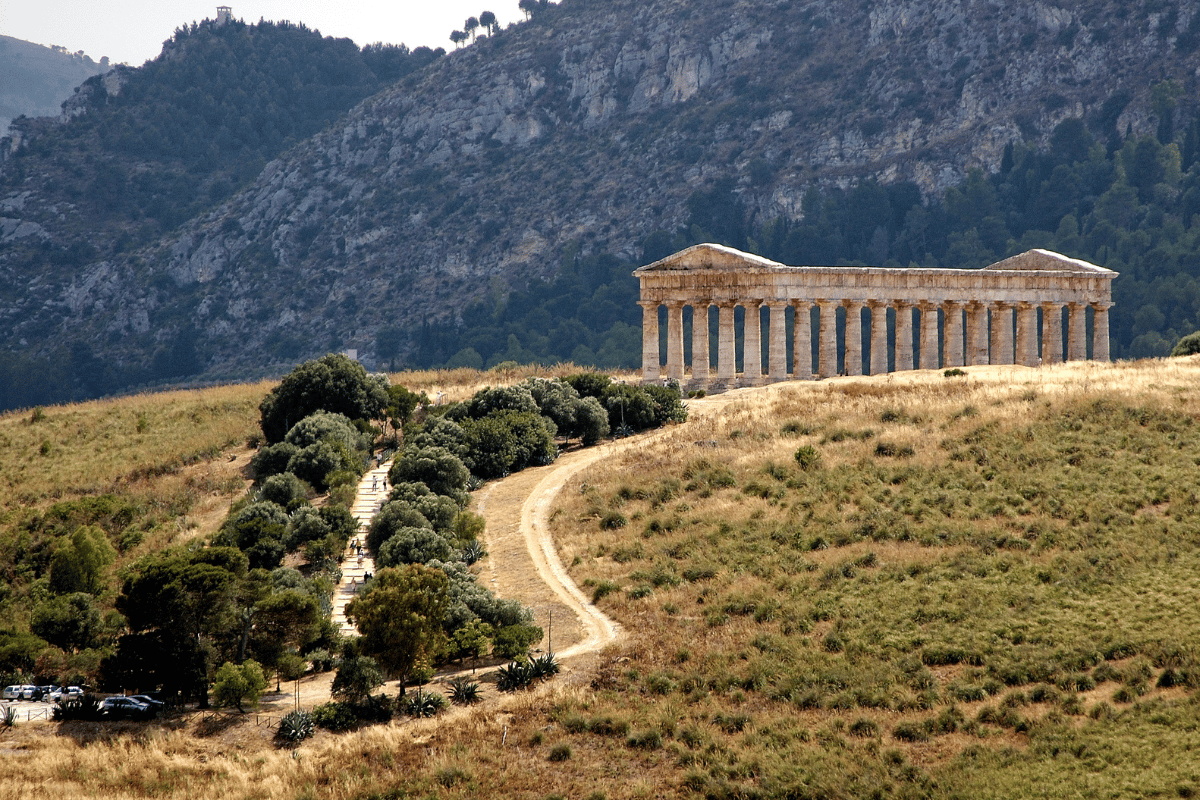
During Roman rule, Etna continued to be a source of wealth and mythology. The Romans built villas and farms on the slopes of the volcano, taking advantage of the fertile land to grow vines and olive trees. They also erected temples and theaters, some of which still stand today as evidence of Roman engineering.
Archeology of Etna
Archeology on Etna has played a crucial role in understanding its history and culture. Systematic excavations have revealed precious artifacts and ancient structures that shed light on the life of past civilizations.
Recent Findings
In recent decades, excavations on Etna have uncovered mosaics, ceramics, and sculptures that adorned Roman villas. These artifacts are not only testimonies to the artistic skill of their creators but also to the aesthetic and social tastes of the time.
Conservation and restoration
The conservation of the archaeological heritage of Etna is a constant priority. Efforts to preserve temples, theaters, and walls have allowed visitors to immerse themselves in the grandeur of ancient civilizations while protecting their integrity for future generations.
Future Research
The field of archeology on Etna remains dynamic, with ongoing research seeking to reveal more secrets about the volcano's past and its inhabitants. New technologies, such as radiocarbon dating and geophysical prospecting, are being used to explore previously inaccessible or understudied areas.
Discovering Etna
Exploring the culture and archeology of Etna is entering a world full of history, mythology, and natural beauty. From ancient Indigenous settlements to the splendors of Roman times, each layer of history reveals how the volcano has been both a challenge and a blessing to those who have lived near it. The ancient ruins and volcanic landscapes offer a unique experience that invites visitors to reflect on Etna's lasting influence on Sicilian life and culture. Exploring Etna is a journey through time that unites the past with the present, offering a unique window into the history and culture of Sicily. From its ancient origins to its impact on modern society, Etna continues to fascinate and educate those who venture to discover its secrets hidden under the shadow of its imposing volcanic figure.