 215 215 9814
Customize it!
8 Days / 7 Nights
English
Customize it!
9 Days / 8 Nights
English
Customize it!
14 Days / 13 Nights
English
Customize it!
9 Days / 8 Nights
English
Customize it!
8 Days / 7 Nights
English
Customize it!
5 Days / 4 Nights
English
Customize it!
9 Days / 8 Nights
English
Andalusia, located in the south of Spain, is a region known for its rich history, vibrant culture, and stunning landscapes. Before you embark on your journey, here are some key details to enhance your visit:
Andalusia is the southernmost region of Spain, known for its diverse landscapes, including beautiful beaches, rugged mountains, and vast plains. It's a region with a unique blend of traditions and influences.
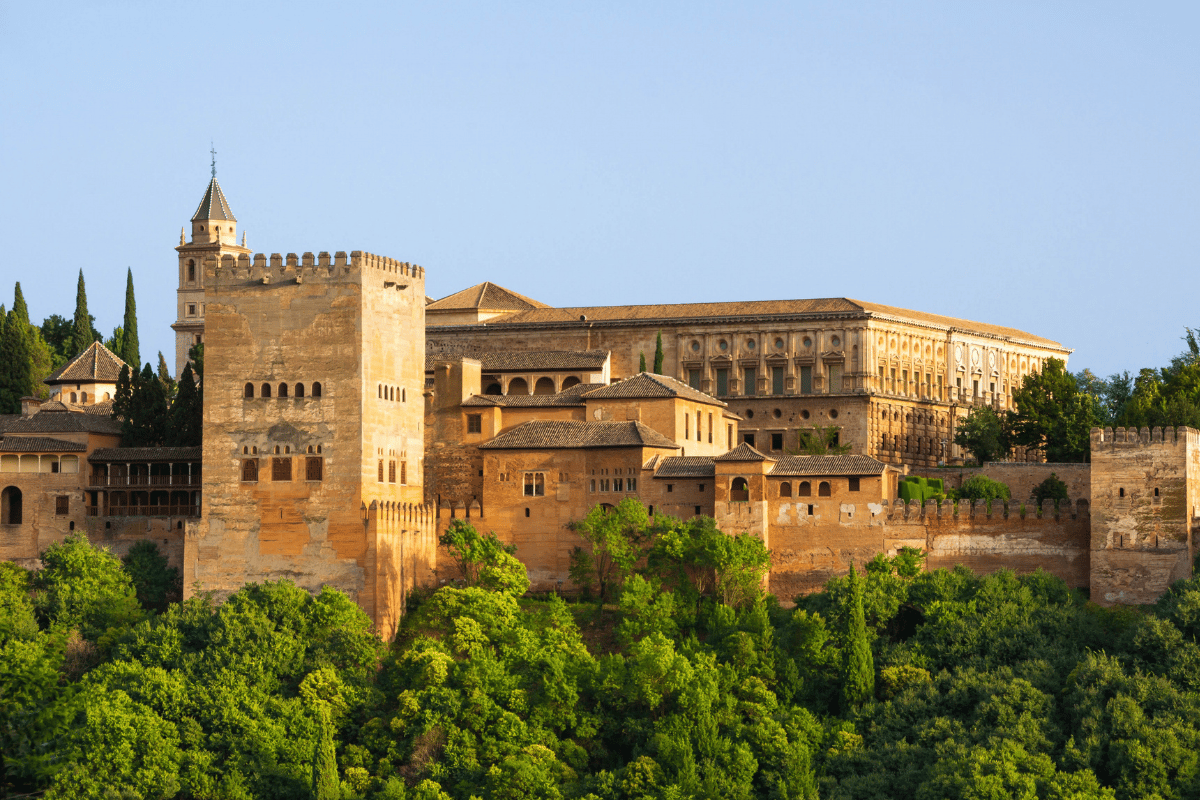
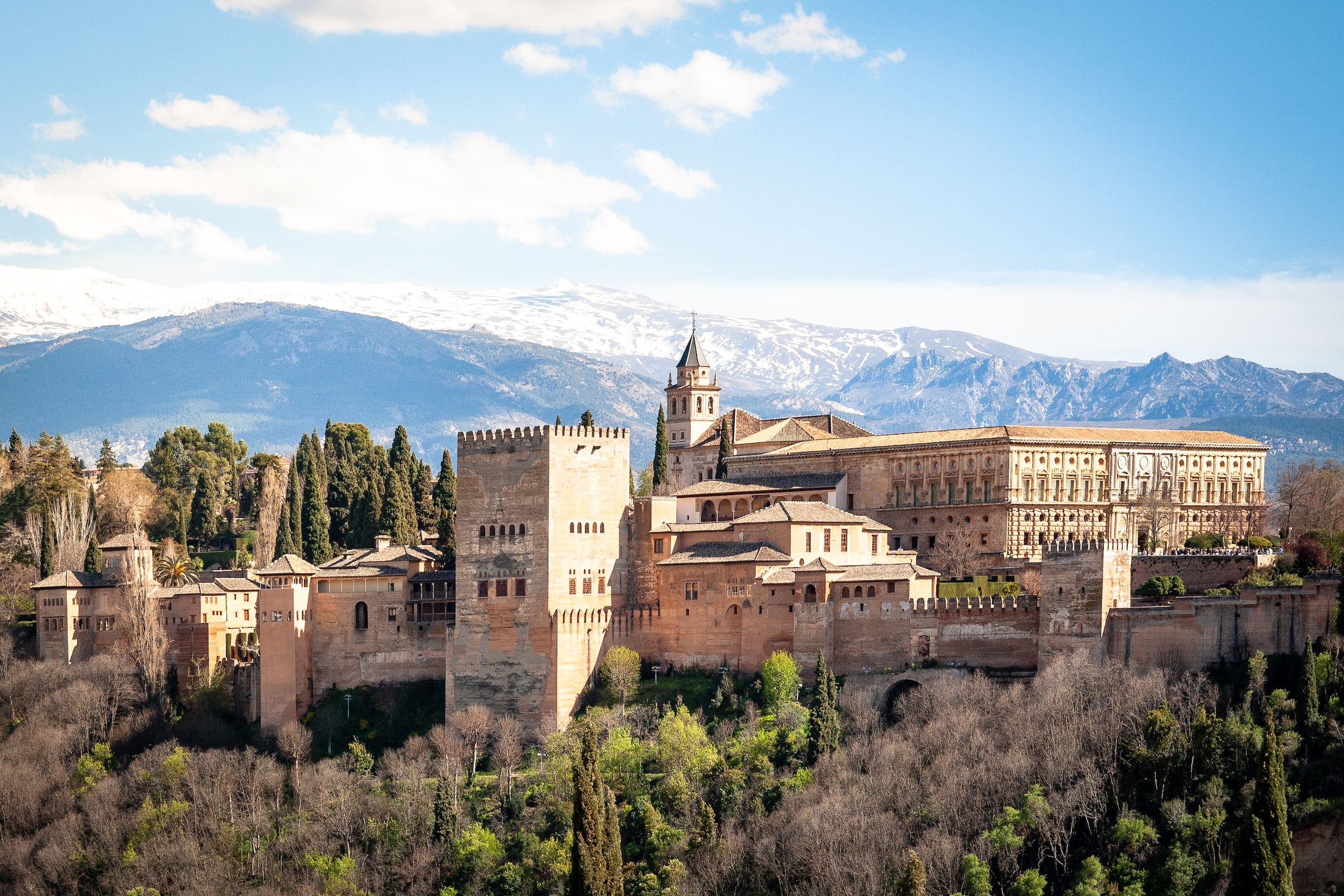
Andalusia has a captivating history shaped by various civilizations, including the Romans, Moors, and Catholic Monarchs. Explore historical landmarks such as the Alhambra in Granada, the Mezquita-Cathedral in Cordoba, and the Alcazar in Seville.
The official currency in Andalusia, as in the rest of Spain, is the Euro (€). Credit cards are widely accepted, and ATMs are readily available, ensuring convenient access to funds during your visit.
Andalusia operates on Central European Time (CET), which is GMT+1. During daylight saving time, it follows Central European Summer Time (CEST), which is GMT+2. This time zone provides long daylight hours for you to explore the region's vibrant streets and cultural attractions.
Andalusia offers a well-developed transportation network, making it easy to explore the region. High-speed trains, known as AVE, connect major cities, while urban areas are served by buses, trams, and the Madrid Metro. Car rentals are also available for those who prefer flexibility in their travels.
Andalusia is teeming with attractions that cater to a wide range of interests:
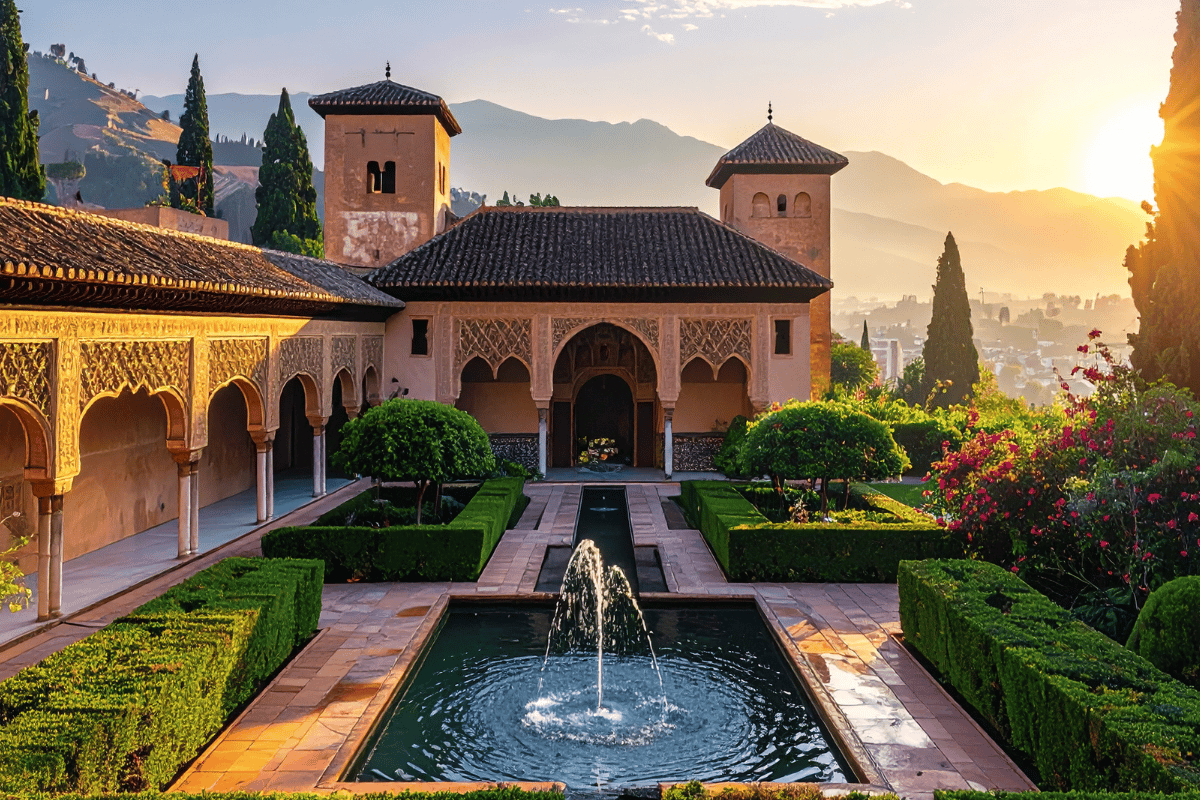
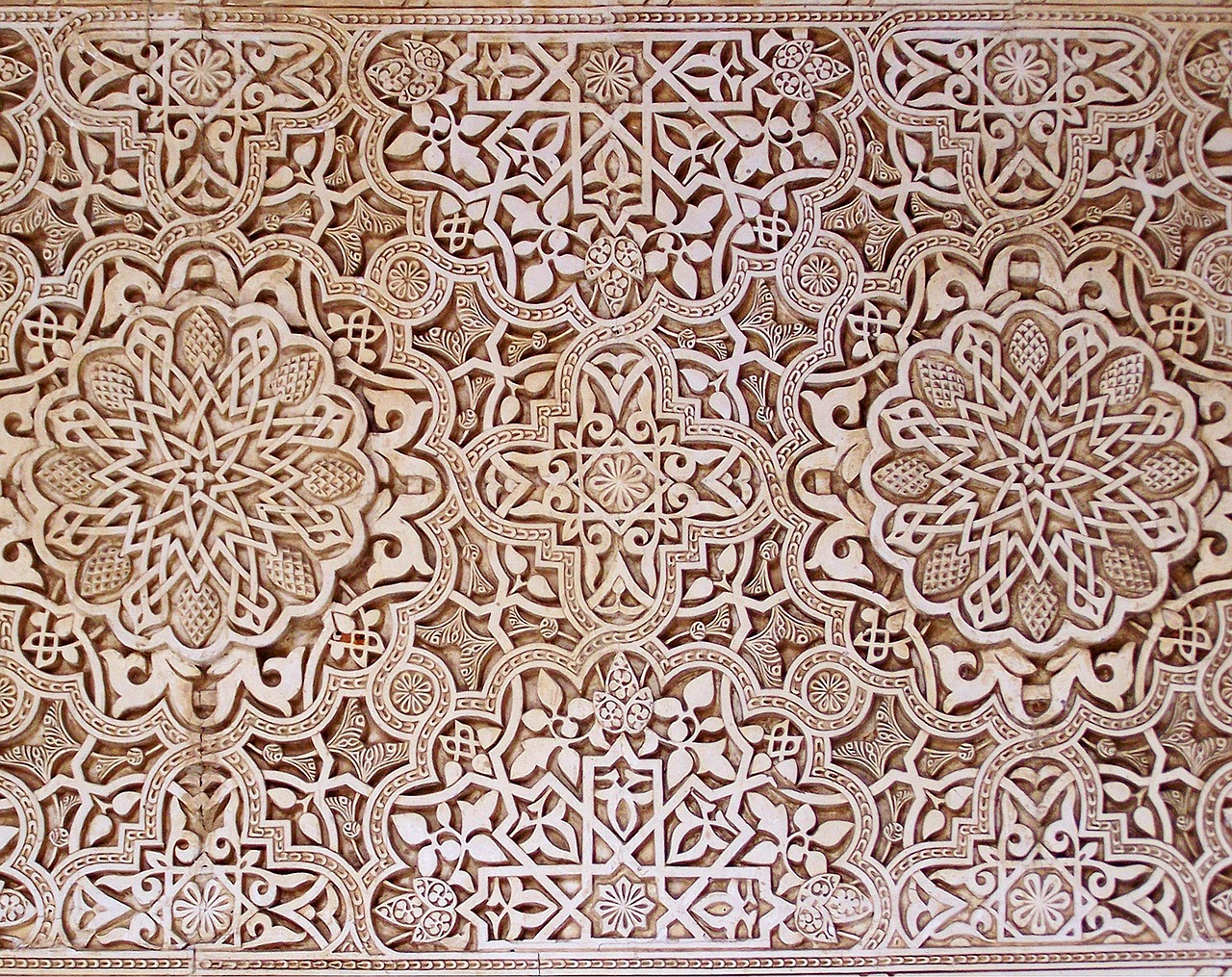
Visit the magnificent Alhambra in Granada, a sprawling palace and fortress complex known for its stunning Islamic architecture and beautiful gardens. Stroll through the Generalife Gardens and explore the Nasrid Palaces to immerse yourself in the region's history.
Wander through the Mezquita-Cathedral in Cordoba, a unique architectural marvel that combines a mosque and a Catholic cathedral. The intricate horseshoe arches and red-and-white striped columns are truly awe-inspiring.
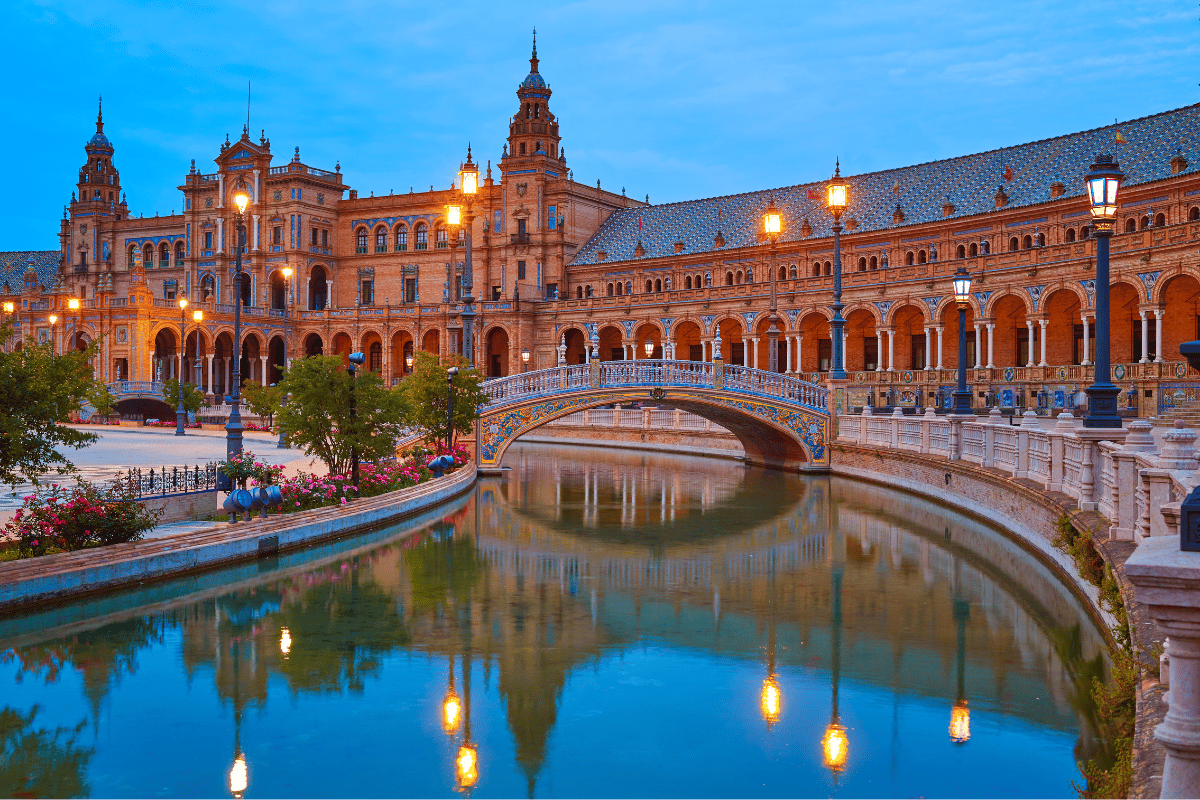
Explore the Alcazar of Seville, a royal palace complex that showcases Mudejar, Gothic, Renaissance, and Baroque architectural styles. The intricate tile work, lush gardens, and impressive courtyards make it a must-visit destination.
Climb to the top of La Giralda, the iconic bell tower of the Seville Cathedral, for panoramic views of the city. The tower is a testament to the region's architectural heritage and offers a unique perspective on Seville.
Choosing the right time to visit Andalusia can enhance your experience:
Spring (March to May): Spring offers mild weather, blooming flowers, and ideal conditions for exploring cities, historic sites, and scenic landscapes.
Summer (June to August): Summer is perfect for beach lovers and outdoor enthusiasts. The coastal areas come alive with festivals and vibrant nightlife.
Autumn (September to November): Autumn is a great time to visit if you prefer milder temperatures, cultural events, and exploring without the summer crowds.
Winter (December to February): Winter is an excellent time to explore historic sites, enjoy traditional Spanish cuisine, and experience local festivals with fewer tourists.
Indulge in the mouthwatering Andalusian cuisine, known for its delectable flavors:
1. Gazpacho: Savor a refreshing bowl of gazpacho, a cold tomato-based soup often served as an appetizer or snack.
2. Paella: Try a regional variation of paella, a classic Spanish rice dish often prepared with seafood, saffron, and various spices.
3. Jamón Ibérico: Taste the famous jamón ibérico, a type of cured ham made from Iberian pigs and aged for exceptional flavor.
4. Churros con Chocolate: Enjoy churros con chocolate, a delectable treat consisting of fried dough sticks served with a rich chocolate sauce, perfect for breakfast or dessert.
Andalusia hosts numerous festivals and events throughout the year:
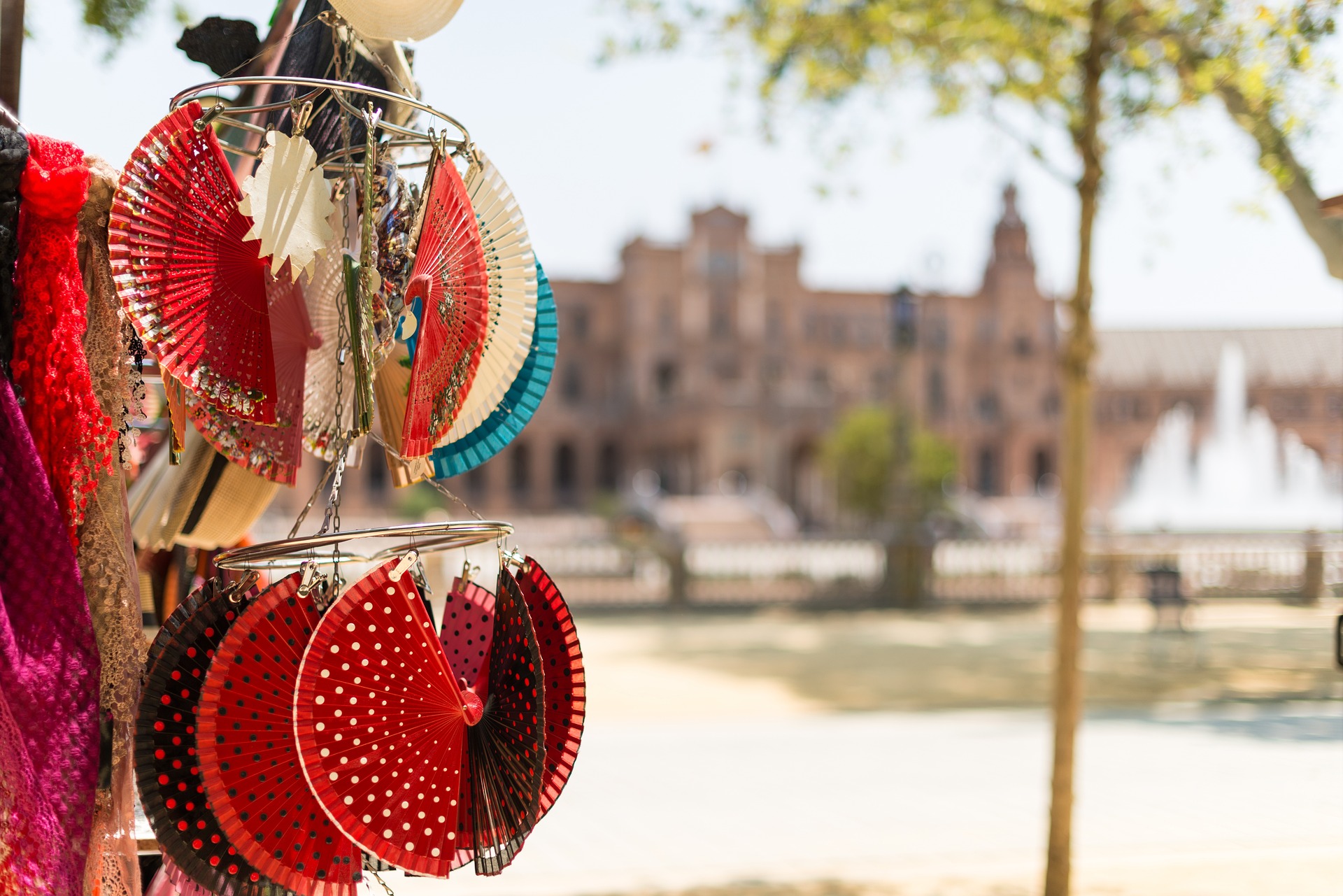
1. Feria de Abril, Seville: Experience the vibrant Feria de Abril in Seville, a colorful celebration of Andalusian culture featuring flamenco dancing, traditional music, and lively casetas (festive tents).
2. Semana Santa, Various Cities: Witness the solemn and awe-inspiring processions during Semana Santa (Holy Week) in Andalusian cities like Seville, Malaga, and Granada.
3. La Tomatina, Buñol: Participate in La Tomatina, the world's largest tomato fight, held in Buñol in August. It's a unique and messy experience.
With this comprehensive information, you're well-prepared to embark on your journey to Andalusia. Whether you're exploring historical sites, enjoying delectable cuisine, or immersing yourself in local festivals, Andalusia promises an unforgettable travel experience. Enjoy your adventure in this captivating region!