 215 215 9814
Customize it!
8 Days / 7 Nights
English
Customize it!
14 Days / 13 Nights
English
Customize it!
12 Days / 11 Nights
English
Customize it!
8 Days / 7 Nights
English
Customize it!
5 Days / 4 Nights
English
Customize it!
6 Days / 5 Nights
English
Customize it!
10 Days / 9 Nights
English
Customize it!
4 Days / 3 Nights
English
Customize your package

Select from our wide variety


Customize it!
5 Days / 4 Nights
English
Customize it!
6 Days / 5 Nights
English
Customize it!
8 Days / 7 Nights
English
Customize it!
8 Days / 7 Nights
English
Customize it!
8 Days / 7 Nights
English
Customize it!
7 Days / 6 Nights
English
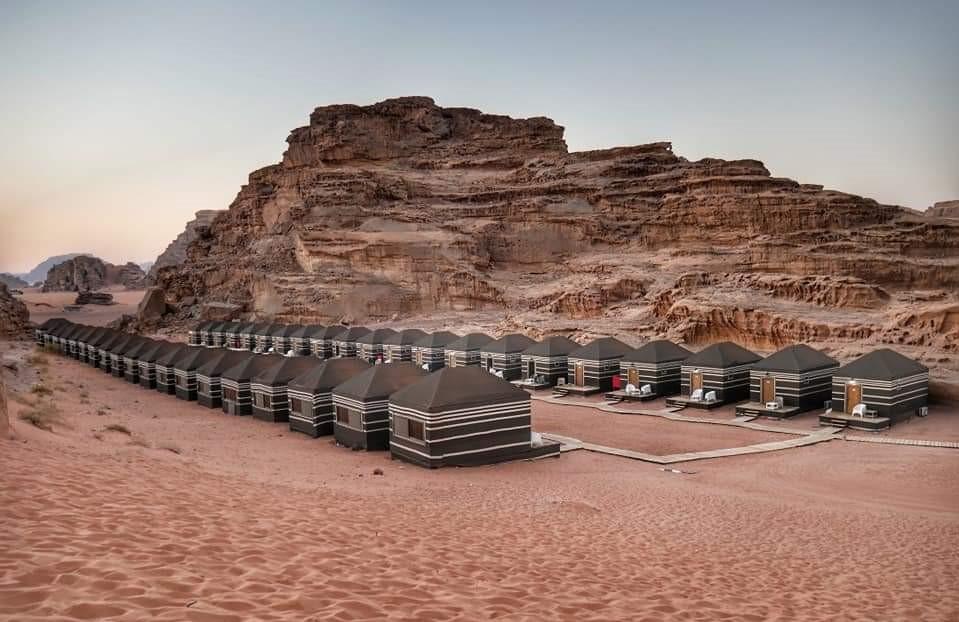
Wadi Rum, also known as the Valley of the Moon, is a desert valley in the southern part of Jordan.
The area is characterized by its stunning red sandstone rock formations, towering cliffs, and vast expanses of sand dunes. It has been inhabited by various cultures for thousands of years, and has been home to the Bedouin people for centuries.
The Wadi Rum Protected Area covers an area of 720 square kilometers, and is managed by the Aqaba Special Economic Zone Authority. It is recognized as a UNESCO World Heritage Site, due to its unique natural and cultural features.
Wadi Rum has also been the location for numerous films, including Lawrence of Arabia, Prometheus, and The Martian. It is a popular destination for tourists who want to experience the desert landscape and learn about the history and culture of the Bedouin people.
Visitors can go on guided tours by 4x4 vehicles, camel, or on foot, and can also spend the night in Bedouin-style campsites. The best time to visit Wadi Rum is between March and May, or between September and November, when the weather is cooler and more pleasant.
There are many sites of interest to explore in Wadi Rum, each with its own unique natural beauty and historical significance. Here are a few of the most popular sites to visit:
Visitors to Wadi Rum can explore these sites and more by hiring a local Bedouin guide, who can offer insight into the history and culture of the area.
Wadi Rum is known for its stunning sandstone formations, unique landscapes, and ancient history. The traditional cuisine of Wadi Rum reflects the Bedouin culture and nomadic way of life, and typically includes simple, hearty dishes made with locally-sourced ingredients.
A typical food of Wadi Rum is Zarb. This is a traditional Bedouin method of cooking meat, vegetables, and rice in an underground pit oven. The food is slow-cooked over hot coals for several hours, resulting in tender, succulent meat and flavorful vegetables.
Also, a popular dish is Mansaf. This is a traditional Jordanian dish, typically made with lamb, yogurt sauce, and rice. The lamb is slow-cooked in a yogurt-based sauce, and served over a bed of rice.
As for drinking, a very typical option is Tea. Tea is a staple drink in Wadi Rum and is often served in small glasses with fresh mint leaves. Bedouins are known for their hospitality, and it is customary for them to offer tea to visitors as a sign of welcome.
Also, if you want to try something traditional, you should try Laban. This is a popular drink made from yogurt, water, and salt. It is a refreshing beverage, especially in the hot desert climate.
To finish, don’t leave Wadi Rum without trying Bedouin bread. This is a simple, flatbread made from flour, water, salt, and yeast. It is often cooked over an open fire and served with zaatar (a Middle Eastern spice blend) and olive oil.
And some others must be Dates. Dates are a popular snack in Wadi Rum and are often served with tea. They are also used in many traditional desserts, such as maamoul (a sweet pastry filled with dates).
Overall, the cuisine of Wadi Rum reflects the simple, rugged lifestyle of the Bedouin people and the harsh desert environment. The food is hearty, flavorful, and designed to sustain travelers through long journeys in the desert.
There are several festivals and events that take place in and around Wadi Rum throughout the year, including:
These festivals and events offer visitors the opportunity to experience the unique cultural and natural heritage of Wadi Rum and the surrounding region.
The culture of Wadi Rum is strongly influenced by the Bedouin people who have lived in the region for centuries. Bedouins are nomadic people who traditionally moved from place to place in search of food, water, and grazing land for their livestock. As a result, the Bedouin culture is based on self-sufficiency, resourcefulness, and a strong sense of community.
The Bedouin people of Wadi Rum have their own unique customs, traditions, and way of life. They are known for their hospitality and generosity, and visitors to the region are often welcomed with tea and traditional Bedouin bread. The Bedouin way of life is closely connected to the natural environment, and they have developed a deep understanding of the desert landscape and its resources.
Traditional Bedouin clothing includes a long, flowing robe called a thobe, and a headdress called a keffiyeh, which is often held in place by a black agal. Bedouin women wear colorful dresses, and their faces are often adorned with intricate tattoos.
The Bedouin culture places a high value on storytelling, poetry, and music. Traditional Bedouin music is played on instruments such as the rababa (a stringed instrument), the duff (a small drum), and the mijwiz (a type of flute). Bedouin poetry often focuses on themes of love, honor, and bravery, and is passed down through generations.
Today, the Bedouin way of life is changing as more people settle in permanent homes and rely less on traditional nomadic practices. However, the Bedouin culture remains an important part of the identity of the people of Wadi Rum and the surrounding region, and is still celebrated through traditional festivals, music, and other cultural practices.
Wadi Rum stands out for its incredible history and its wonderful landscape.
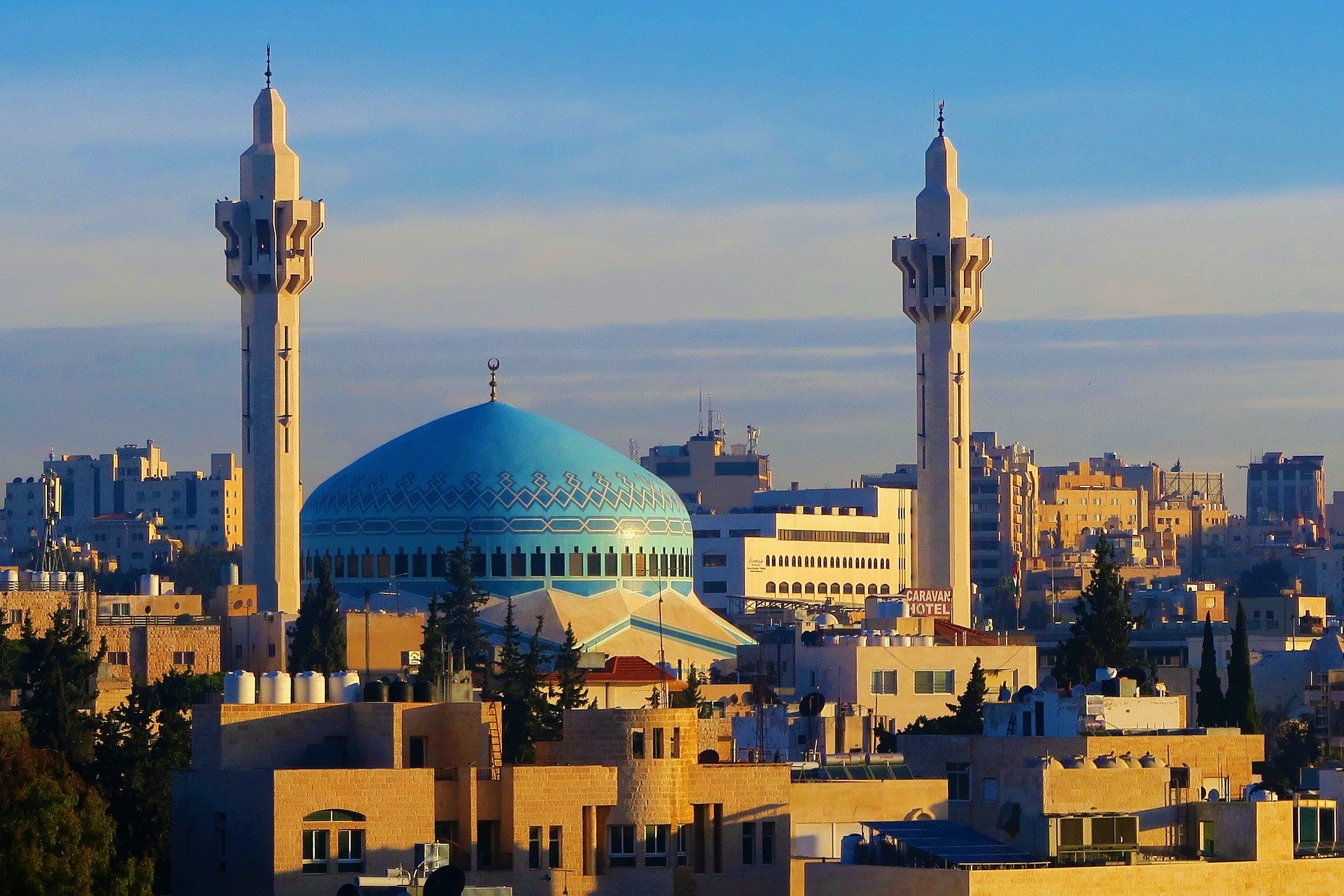
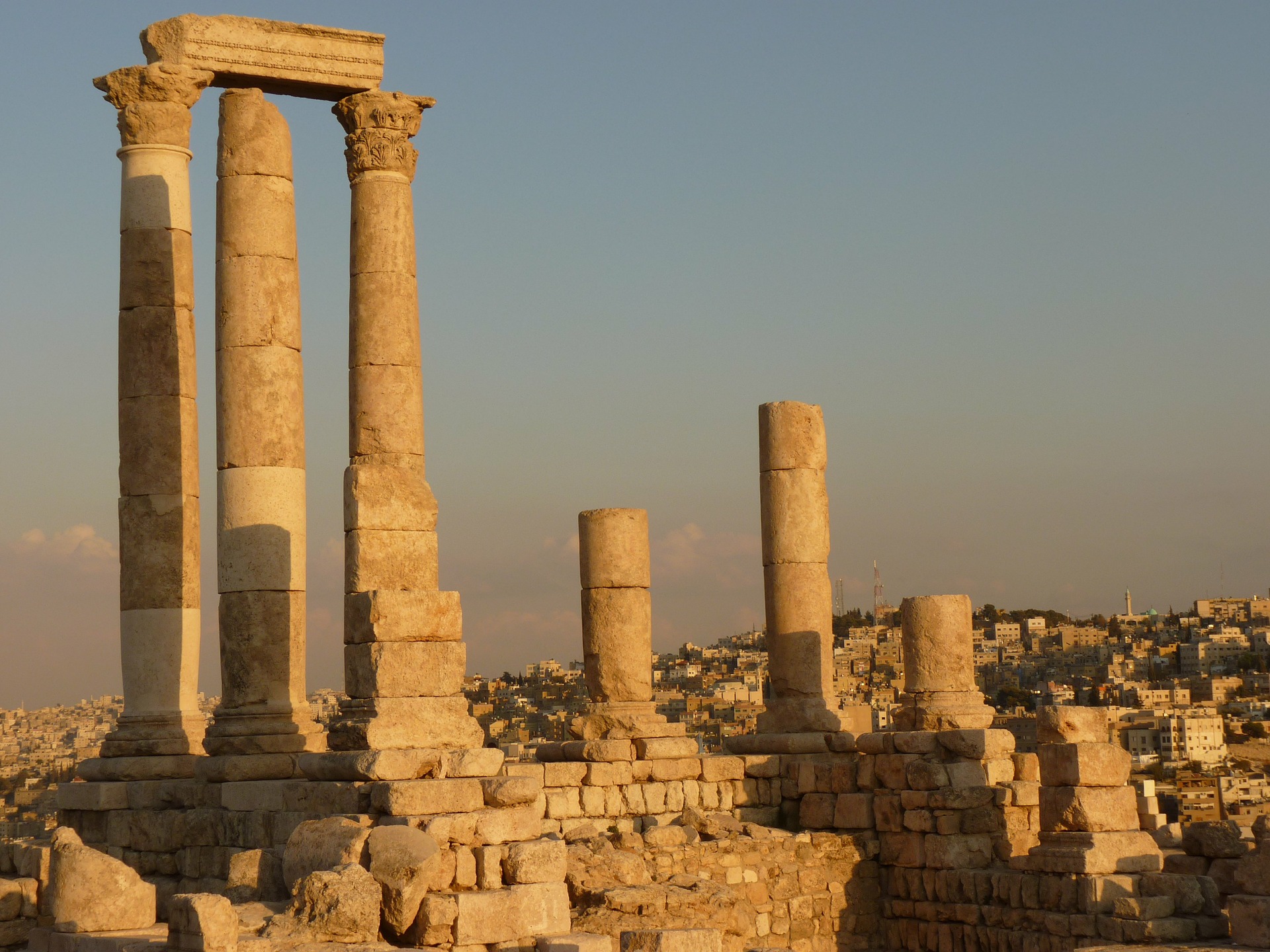
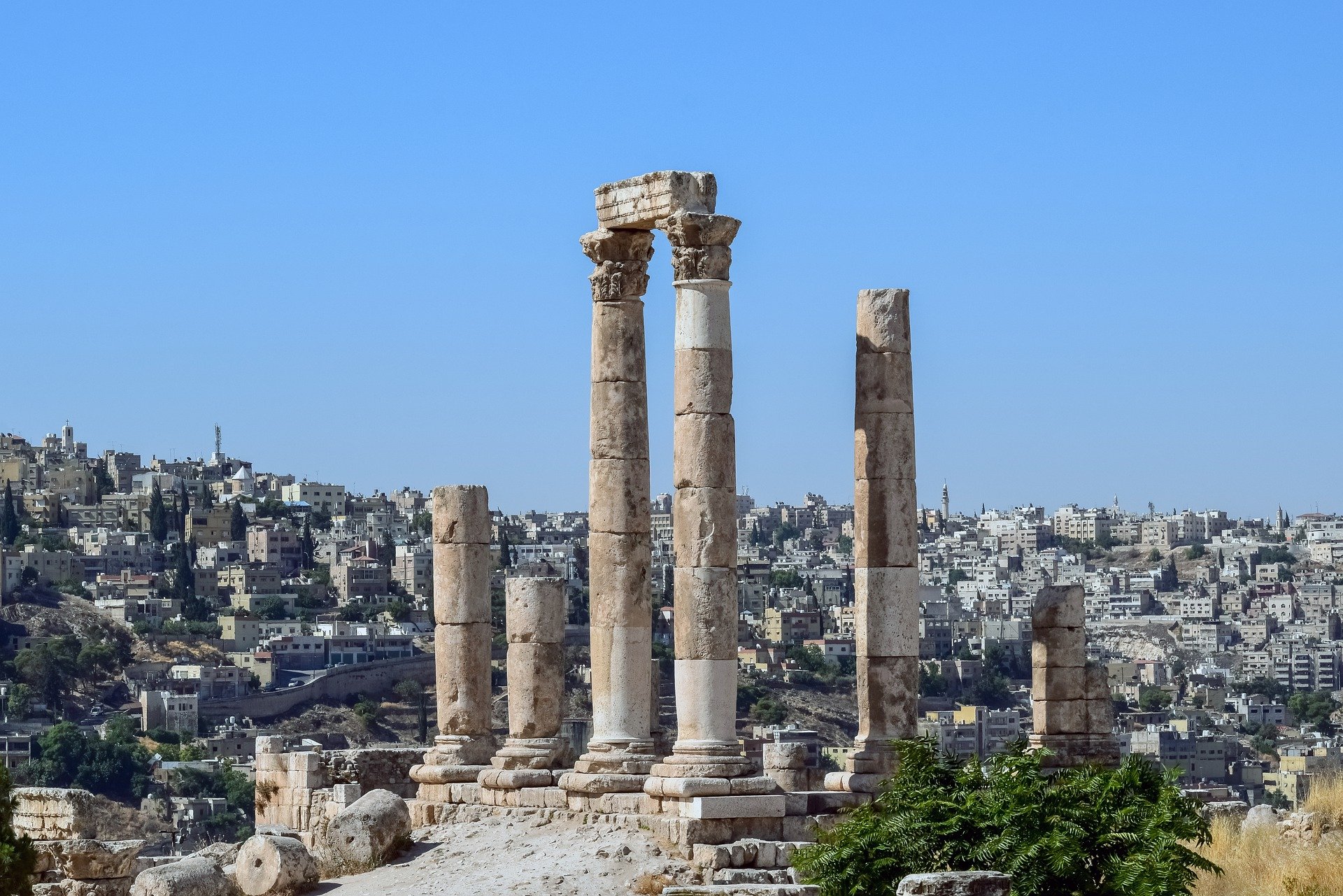
In turn, due to its proximity to Amman y Aqaba, many travelers combine their trip to Wadi Rum with these destinations, which is why you will find these sites in several of our offers.
Are you looking to marvel at the most incredible landscapes? Do you want to know about a fascinating culture? Do you want to taste exquisite cuisine?
If your answer is "yes", in Greca we have several proposals for tourist packages to Wadi Rum, which you can modify and adapt according to your needs and times.
There are travel packages for all tastes. Choose your own adventure according to your needs!