 215 215 9814
Customize it!
10 Days / 9 Nights
English
Customize it! Choose your hotels!
8 Days / 7 Nights
English
Customize it!
19 Days / 18 Nights
English
Customize it!
20 Days / 19 Nights
English
Customize it! Choose your hotels!
12 Days / 11 Nights
English
Customize it! Choose your hotels!
14 Days / 13 Nights
English
Customize it! Choose your hotels!
14 Days / 13 Nights
English
Customize it! Choose your hotels!
16 Days / 15 Nights
English
Customize your package

Select from our wide variety


Customize it! Choose your hotels!
6 Days / 5 Nights
English
Customize it! Choose your hotels!
9 Days / 8 Nights
English
Customize it! Choose your hotels!
15 Days / 14 Nights
English
Customize it! Choose your hotels!
8 Days / 7 Nights
English
Customize it! Choose your hotels!
9 Days / 8 Nights
English
Customize it! Choose your hotels!
11 Days / 10 Nights
English
Customize it! Choose your hotels!
7 Days / 6 Nights
English
Customize it! Choose your hotels!
7 Days / 6 Nights
English
Customize it! Choose your hotels!
5 Days / 4 Nights
English
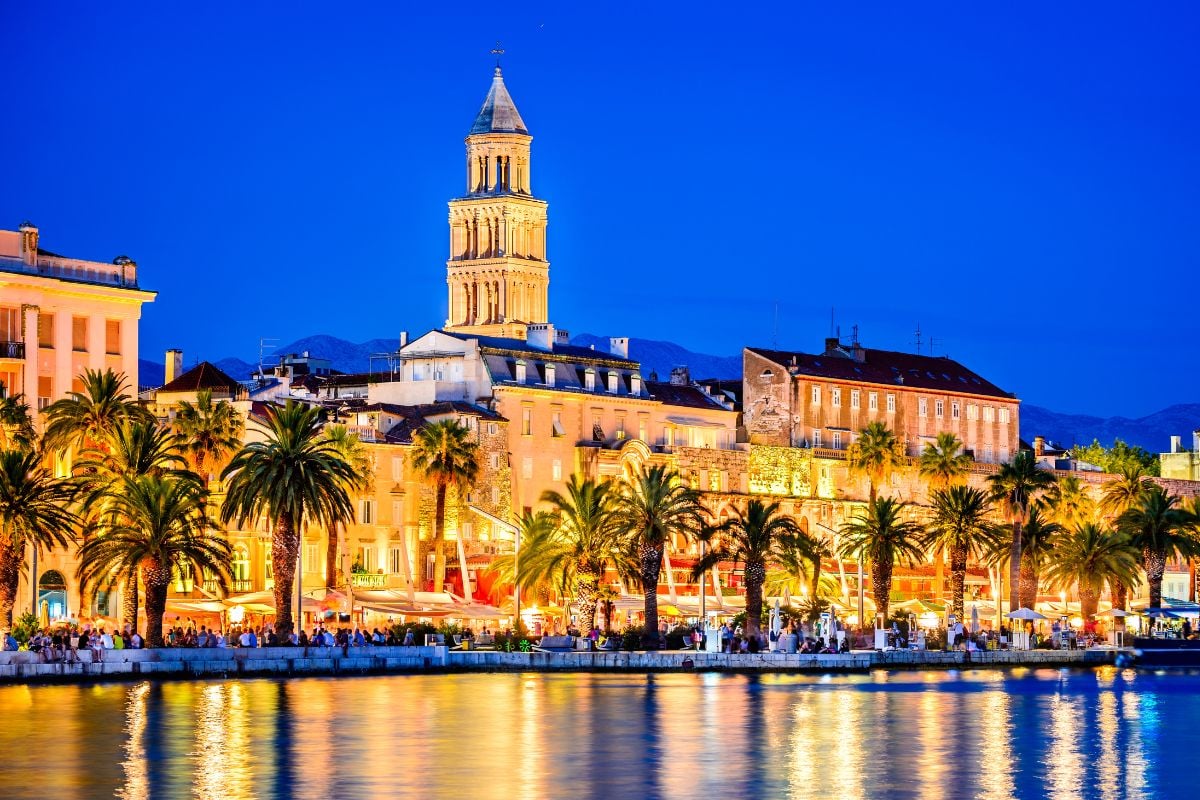
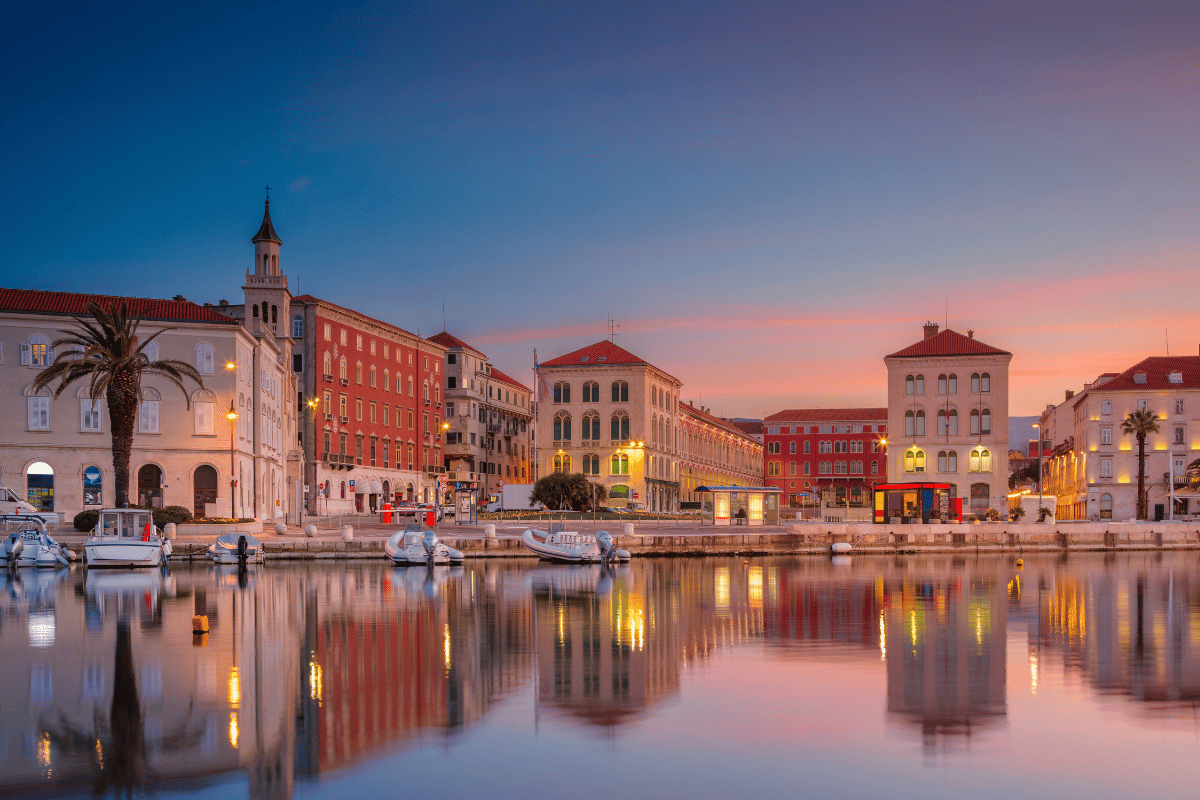
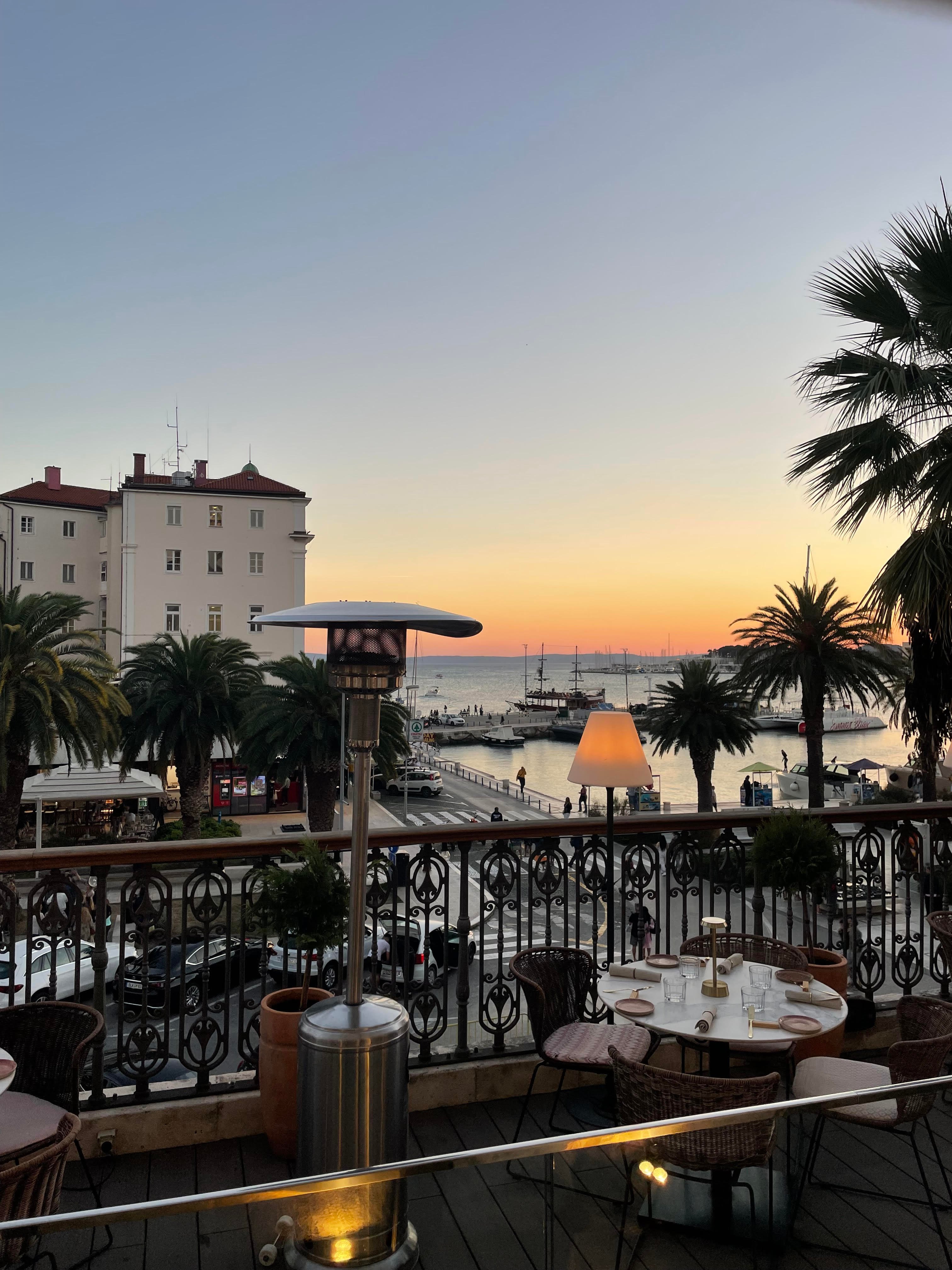
Split is a city located on the eastern coast of the Adriatic Sea, in the region of Dalmatia in Croatia. It is the second-largest city in Croatia, with a population of around 180,000 people.
Split is known for its historical and cultural heritage, including the Palace of Diocletian, which was built in the 4th century AD and is now a UNESCO World Heritage site.
Split is also a popular tourist destination, attracting visitors from around the world with its sunny climate, beautiful beaches, and vibrant nightlife.
The city is easily accessible by air, with Split International Airport located just a few miles from the city center. Split is also well-connected by ferry and bus to other parts of Croatia and neighboring countries.
In addition to its cultural and natural attractions, Split is also a hub for sports and recreation, with a variety of activities available including sailing, kayaking, hiking, and biking. The city has a rich culinary scene, with local specialties such as fresh seafood, olive oil, and local wines.
Split is an important economic and cultural center for the region, with a strong tradition of entrepreneurship and innovation. It is home to several universities and research institutions, as well as a thriving startup scene.
Split, a coastal city in Croatia, has a rich history and a vibrant culture. Here are some sites of interest in Split:
Split, being a coastal city in Croatia, has a cuisine that is heavily influenced by the sea and Mediterranean flavors.
Some typical food of Split include black risotto (Crni rižot), a dish made with squid ink, rice, onions, garlic, and red wine, and octopus salad (Salata od hobotnice): This refreshing salad is made with boiled octopus, potatoes, onions, parsley, and olive oil, a perfect appetizer or light lunch.
Also a typical dish is peka. This traditional Croatian dish is made by slow-cooking meat (usually lamb, veal, or chicken) and vegetables in a covered pot over hot coals. It is typically served with potatoes, often roasted in the same pot.
We also recommend you to try grilled fish (Riblja plata), fresh fish, often caught that day, is grilled and served with a side of vegetables and potatoes. This dish is a staple of Dalmatian coast cuisine.
And of course, you must try pašticada. This is a slow-cooked beef stew made with red wine, prunes, garlic, carrots, and other spices. It is often served with gnocchi or homemade pasta.
And a fabulous dessert is fritule. These small doughnuts are a popular dessert in Split. They are made with flour, eggs, sugar, and raisins, and are often served dusted with powdered sugar.
As for typical drinks, try red wine (Crveno vino). Croatia is known for its excellent wines, and the red wines produced in the Split region are no exception. Some of the most popular varieties include Plavac Mali, Dingač, and Postup.
Or Rakija, a traditional fruit brandy made from various fruits, including grapes, plums, and figs. It is often served as an aperitif or digestif, or Croatian beer (Hrvatsko pivo), as there are several locally produced beers in Croatia, including Karlovačko, Ožujsko, and Tomislav.
Split hosts a variety of festivals throughout the year that celebrate everything from music and film to culture and tradition. Here are some of the most popular festivals of Split:
The culture in Split is a mix of historical and contemporary influences, with a strong emphasis on Mediterranean and Dalmatian traditions.
The city has a rich history, dating back to Roman times, and this history is reflected in its architecture, art, and cultural heritage. The local culture is also shaped by the city’s coastal location, with fishing and seafaring playing a significant role in the local economy and way of life.
One of the most prominent features of Split’s culture is its emphasis on family and community. Family is considered the cornerstone of Croatian society, and this is reflected in the close-knit nature of the community in Split. People in Split are generally friendly, hospitable, and proud of their city and its heritage.
The city is also known for its love of music, dance, and the arts. The Split Summer Festival, which takes place every year, is one of the oldest and most prestigious cultural events in Croatia and showcases a wide range of music, theater, and dance performances.
Food and wine are also an important part of the culture in Split, with local specialties such as fresh seafood, olive oil, and wine playing a prominent role in the local cuisine. There are many traditional festivals and markets throughout the year that celebrate local food, wine, and crafts.
Overall, the culture in Split is a blend of historical and contemporary influences, with a strong emphasis on community, family, and cultural heritage. It is a vibrant and dynamic city that celebrates its traditions while embracing the future.
Split is an amazing destination for the most curious travelers, due to its historical sites and splendid cultural heritage. Also, Split has fabulous beaches and an incredible night life.
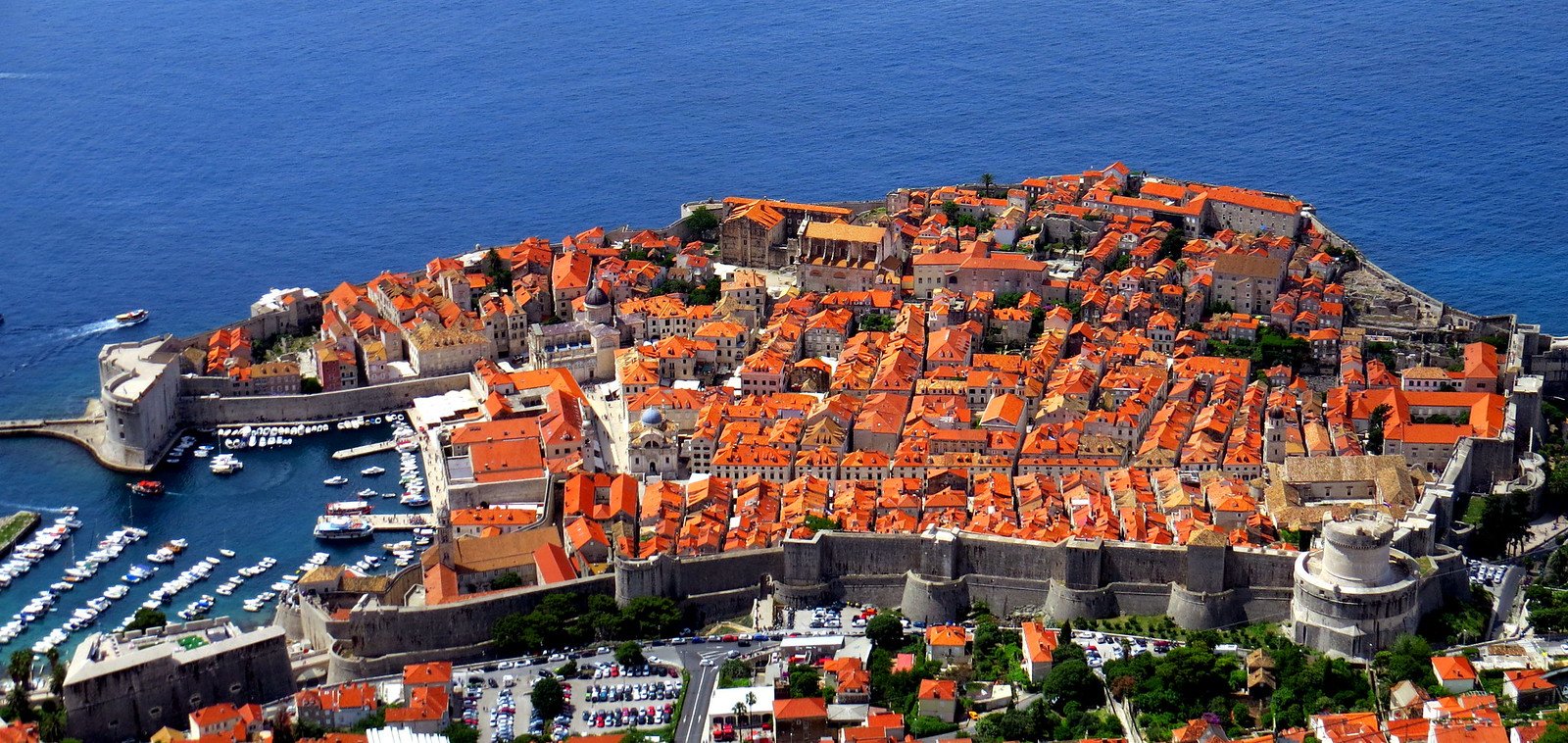
Due to its proximity to Zagreb and Dubrovnik, many travelers combine their visit to Split with those destinations.
Do you want to know the most beautiful beaches? Would you like to see the most incredible historical sites? Do you want to enjoy amazing nightlife?
In that case, book your trip to Split right now. You can build your trip through Split with Greca according to your preferences and needs. Make your dreams come true today and travel to Split!